







Top 8 Micronutrient Fertilizer Benefits: Grow More, Spend Less
Macronutrient fertilizers (NPK) alone aren’t enough for crops to reach their full potential. Micronutrients – though plants need them only in very small amounts – play a key role in growing healthier crops, raising yields, and keeping soil productive over the long term. Understanding the benefits of micronutrient fertilizers is what helps you farm more […]


Macronutrient fertilizers (NPK) alone aren’t enough for crops to reach their full potential. Micronutrients – though plants need them only in very small amounts – play a key role in growing healthier crops, raising yields, and keeping soil productive over the long term. Understanding the benefits of micronutrient fertilizers is what helps you farm more efficiently and at a lower cost.
1. 5 Micronutrient Fertilizer Benefits for Plants
Micronutrients are mineral elements plants require in trace amounts. Despite their small quantities, they govern enzyme activation, photosynthesis, protein synthesis, and hormonal regulation.
1.1. Increased crop yield and productivity
Micronutrient fertilizers are just as critical as macronutrient fertilizers (NPK). They directly impact crop yield and output, acting as the foundation for root development, foliage health, and flowering.
- Zinc (Zn): Increases potato and sunflower yields by 22%, corn by 18%, wheat by 13%, rice by 12%, and sugarcane by 8%.
- Boron (B): Boosts overall yield by 7% to 21%, depending on the crop.
- Iron (Fe): Iron supplementation increases peanut yields by 30%, potatoes by 16%, and chickpeas by 15%.
Note: Applying inorganic iron salts directly to the soil is usually ineffective. However, directly spraying foliage with an FeSO4 solution or chelated Fe effectively treats yellow leaf disease.
1.2. Improved crop quality and nutritional value
Micronutrient fertilizers directly influence agricultural quality. They increase the fruit set rate, reduce flower and fruit drop, and produce larger, sweeter, better-colored fruits with higher nutritional content.
- Copper (Cu): Activates key enzymes and is essential for nitrogen compound absorption; supports chlorophyll synthesis and increases sugar content in fruit.
- Manganese (Mn) & Zinc (Zn): Influence protein biosynthesis by regulating peptidase activity and controlling protein metabolism – directly affecting the nutritional density of produce.
- Iron (Fe): Drives chlorophyll formation, supports enzyme mechanisms linked to cellular respiration, and plays a vital role in cell division and growth.

1.3. Enhanced disease resistance and plant immunity
Micronutrients build the plant’s natural defence system from the ground up, reducing susceptibility before problems even begin.
- Zinc (Zn): Promotes healthier shoot sprouting, faster plant stabilization, superior root development, and stronger overall plant vigor.
- Copper (Cu), Manganese (Mn), and Boron (B): Help stabilize and strengthen cell walls, inhibit pathogen growth, and increase plant resistance against future disease outbreaks.

1.4. Support for critical growth stages (flowering, grain fill)
Micronutrients have a massive impact on pollen viability, flower bud differentiation, and the pollination process. Zinc (Zn) and Boron (B) are especially critical during the flowering stage. A deficiency leads to fewer or deformed flowers, poor pollination, low fruit set, and reduced yields, even if the stem and foliage look healthy.
Note: Crops can look lush and green yet still suffer significant yield loss from hidden micronutrient shortfalls at the reproductive stage. This is one of the most commonly overlooked causes of underperformance.
1.5. Improved efficiency of macronutrient (NPK) use
Applying micronutrient fertilizer helps the plant develop a stronger and healthier root system. With this robust root network, the crop can absorb and utilize primary macronutrients like NPK much more efficiently. Ultimately, this enhanced nutrient uptake ensures your inputs are fully consumed by the plant, directly avoiding costly fertilizer waste.
2. 3 Micronutrient Fertilizer Benefits for Soil Health
While micronutrient fertilizer benefits for plants are visible within a single season, the soil-level impacts of micronutrient fertilization compound over years. It is protecting the productive capacity of farmland for the long term.
2.1. Correcting micronutrient deficiencies and restoring soil nutrients
Over 50% of the world’s soil lacks one or more micronutrients, directly causing drops in yield and quality. Specifically, 50% of global cereal-growing soil lacks Zinc, 30% of global soil lacks Iron.
Simultaneously, every harvest removes trace elements from the earth. Without replenishment, the soil becomes exhausted. A vicious cycle worsened by intensive farming, erosion, leaching, and the reduced use of manure.
Therefore, applying trace fertilizers replenishes what is missing or removed, maintaining the nutritional balance required for stable, long-term yields.

2.2. Enhancing soil ecosystem
Soil is not just a growing medium, it is a living ecosystem. When crops are well-nourished, the benefits extend below the surface, driving a positive feedback loop between plant health and soil biology.
- Well-nourished plants develop larger, more extensive root systems, expanding the rhizosphere – the zone where beneficial soil microorganisms thrive.
- Healthy roots release more nutrient-rich exudates. As older roots decompose, they become a highly nutritious food source for beneficial soil microbes.

3. 3 Golden Notes When Using Micronutrient Fertilizer for Best Results
Understanding the micronutrient fertilizer benefits is only half the equation. Getting the application right-timing, method determines whether those benefits are fully realised in the field.
3.1. Signs Indicating The Need For Micronutrient Application
Before applying micronutrient fertilizers, it is worth knowing what deficiency actually looks like. Visual symptoms are the most immediate signal – though by the time they appear, yield impact may already be underway.
- Zinc (Zn) deficiency: Stunted growth, chlorosis, and leaf deformation.
- Iron (Fe) and Mangan (Mn) deficiency: Interveinal chlorosis on leaves (green veins, yellow leaf blade).
- Boron (B) deficiency: Flower drop and fruit cracking

3.2. Choose a method that suits the needs
There is no single best method. The right approach depends on the crop, soil conditions, and the specific deficiency being addressed. Three primary application methods are available:
- Foliar spray (most common): Enhances crop productivity, especially helping plants maintain performance even under stress conditions (drought, salinity, heat). This is also how the benefits of combi fertilizer are usually delivered, correcting several deficiencies in one pass. Avoid over-application – phytotoxicity risk increases with concentration.
- Soil application: Promotes root development and stimulates beneficial microbial populations in the soil.
- Seed treatment prior to sowing: Improves germination and early seedling vigour – a low-cost intervention with compounding benefits.

3.3. Time For Applying Micronutrient Fertilizer
Even the right product applied at the wrong time delivers suboptimal results. Knowing the different micronutrient fertilizer types matters here too, since slow-release oxides and fast-acting chelates suit very different application windows. Timing is as important as the product itself.
- Apply during active growth stages to maximise nutrient uptake and translocation within the plant.
- Apply only during cool conditions such as early morning or late afternoon. Avoid application during intense heat to prevent thermal stress on the crop.

Relying solely on NPK is a thing of the past for high-output agriculture. By understanding and capitalizing on these micronutrient fertilizer benefits, growers can heal deficient soils, boost plant immunity, and dramatically increase harvest quality and quantity. It is the ultimate strategy to grow more while spending less on wasted inputs.


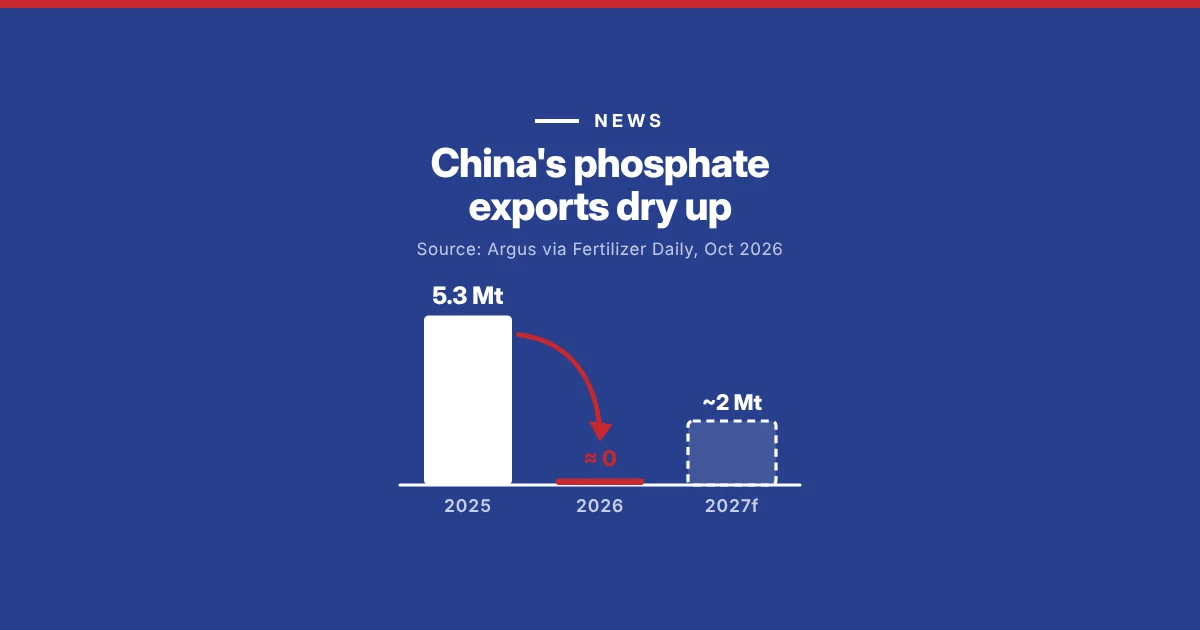
China, which exported about 5.3 million tonnes of phosphate fertilizer in 2025, has shipped almost none in 2026. With sulfur scarce and phosphate prices high, import-dependent markets face a tight season, and every kilo of phosphorus needs to work harder. At Van Polder, we believe a tight phosphate market is a reason to look again […]

If you are starting a banana farm, Panama disease (Fusarium wilt of banana) is the risk to plan for. How to prevent Panama disease in bananas comes down to keeping the fungus out, because no fertilizer prevents or cures it and once it is in the soil it stays for decades (Pegg et al., 2019; […]
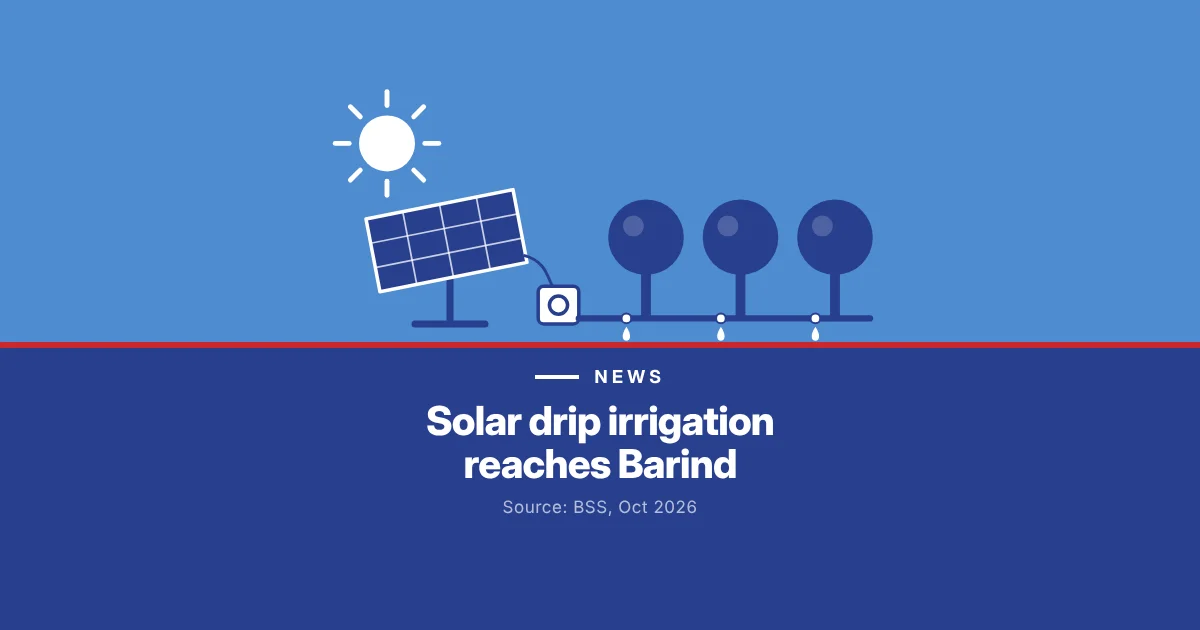
A government project in Bangladesh’s Rajshahi Division has brought solar-powered pumps, including solar drip systems for orchards, to drought-prone land where groundwater has been falling for decades. The Prime Minister wants all diesel irrigation pumps converted to solar within five years. For growers who move to drip, the next step is to feed the crop […]

Calcium deficiency in banana shows first on the youngest leaves, as thickened veins and a saw-tooth pattern of yellow and dead tissue along the leaf margin, and in severe cases as “spike leaf”, new leaves with little or no blade, and poor-quality fruit (Turner, 1987; Martin-Prével, 1980). On most plantation soils it is not a […]
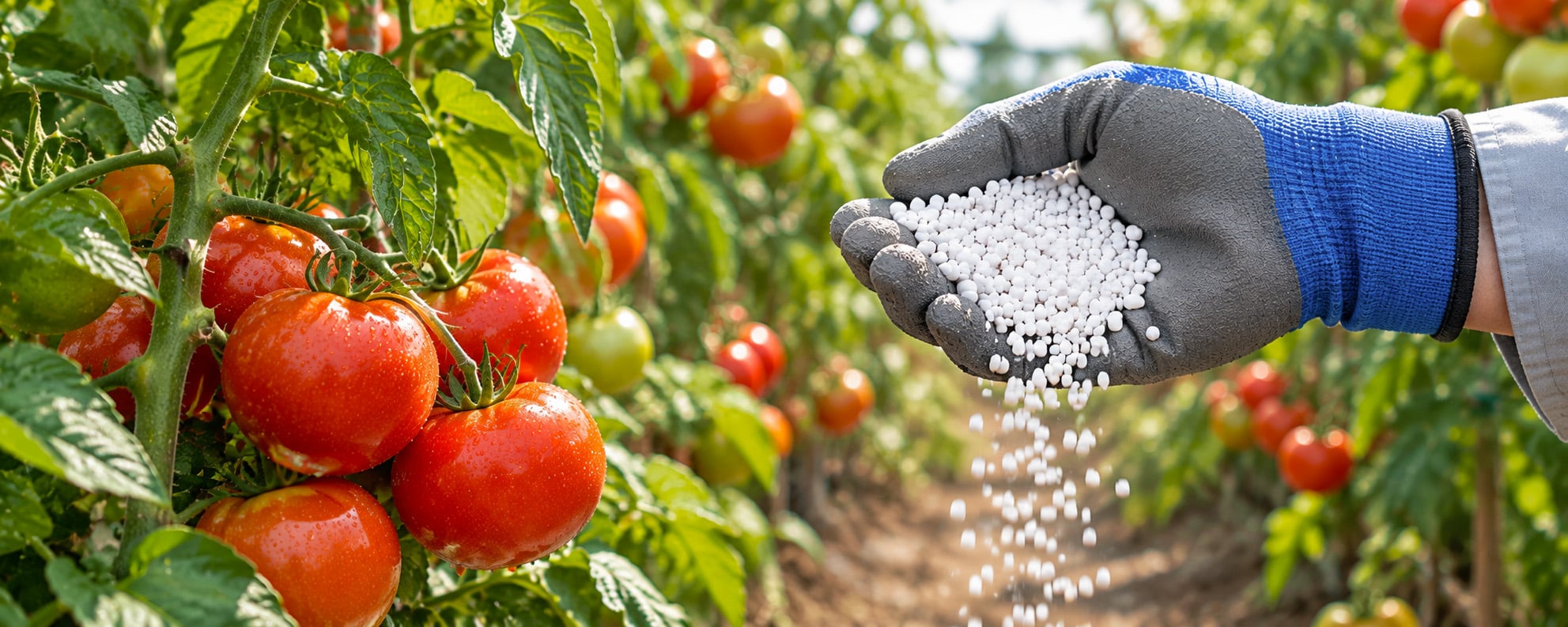
A calcium fertilizer supplies the calcium that holds plant cell walls and membranes together, but whether it reaches the fruit depends as much on water flow as on the fertilizer you choose. Calcium travels with water to the leaves and barely moves out of them again, so fruit and young leaves can run short even […]

An unusually wet winter brought coffee flowering in Minas Gerais forward by about a month, in several separate waves. With October forecast to be hotter than normal and rain patchy, the question for 2027 is now how many of those flowers turn into fruit. At Van Polder, we believe a strong flowering is only the […]