







8 Essential Micronutrients for a Lush, Green, and Healthy Lawn
A lawn that gradually loses its rich green color, grows unevenly, or struggles to recover after mowing is often showing signs of micronutrient imbalance rather than poor maintenance. These trace nutrients may only be needed in small amounts, but each one supports a different process that keeps turf healthy and resilient. Keep reading to learn […]


A lawn that gradually loses its rich green color, grows unevenly, or struggles to recover after mowing is often showing signs of micronutrient imbalance rather than poor maintenance. These trace nutrients may only be needed in small amounts, but each one supports a different process that keeps turf healthy and resilient. Keep reading to learn how iron, manganese, zinc, boron, copper, molybdenum, chlorine, and nickel contribute to stronger, greener turf and how to recognize when your lawn needs them.
1. Iron (Fe): The Key to Green Color and Vitality
The secret to that deep, emerald-green lawn often lies in Iron. While grass needs it in trace amounts, this micronutrient is the primary engine behind chlorophyll synthesis and vital enzymatic functions that keep turf vigorous, especially during cold weather.
The Roles of Iron
- Supports chlorophyll production: Iron is essential for chlorophyll synthesis, enabling turfgrass to maintain its characteristic deep green color. Although it is not a structural component of chlorophyll, the plant cannot produce chlorophyll efficiently without sufficient Iron.
- Activates essential enzymes: Iron forms part of numerous enzymes involved in oxygen absorption, carbon dioxide release, energy transfer, nitrogen metabolism, and lignin synthesis, contributing to stronger cell walls and healthier turf growth.
- Improves winter resilience: Adequate Iron nutrition enhances turfgrass tolerance to frost and helps reduce dehydration during cold weather, supporting better survival under winter stress.

Deficiency symptoms
- Interveinal chlorosis: The earliest and most recognizable symptom is yellowing between the leaf veins while the veins remain distinctly green. Because Iron is immobile within the plant, these symptoms appear first on the youngest leaves.
- Severe leaf bleaching: As the deficiency becomes more severe, newly emerging leaves may gradually turn pale yellow and eventually become almost white.
- Reduced turf vigor: Turfgrass may exhibit slow growth and poor color persistence, even when irrigation and primary nutrient fertilization are adequate.
Iron Availability
Although iron is naturally abundant in many soils, only a small fraction is available for turfgrass uptake. Its availability depends largely on soil chemistry rather than the total iron content.
- High soil pH: Iron becomes increasingly insoluble as soil pH rises above 7.0, making it difficult for turfgrass roots to absorb. Iron deficiency is therefore most common in alkaline soils, especially when pH exceeds 7.5.
- Phosphorus interaction: Excessive phosphorus can react with iron in the soil to form insoluble compounds, reducing the amount of plant-available iron even when total soil iron remains high.
- Calcareous conditions: Soils with high calcium carbonate content or those irrigated with bicarbonate-rich water often reduce iron solubility, limiting its availability to turfgrass.
2. Manganese (Mn): Boosting Photosynthesis and Growth Rates
Think of Manganese as a vital metabolic spark plug for your turf. It drives photosynthesis and enzyme activity; without it, grass quickly loses its luster, vigor, and overall resilience.
The Roles of Manganese
Manganese contributes to several physiological processes that sustain healthy turfgrass growth:
- Supporting photosynthesis: Manganese plays an essential role in photosynthesis and chlorophyll formation, helping turfgrass maintain efficient energy production and healthy green color.
- Activating metabolic enzymes: It functions as a cofactor for numerous enzymes involved in nitrogen metabolism, respiration, and other biochemical reactions that regulate plant growth and development.

Identifying Deficiency Symptoms
Because manganese is relatively immobile within the plant, deficiency symptoms develop first on newly emerging leaves.
- Gray-green spotting: The earliest symptom is the appearance of small grayish-green spots on young leaves.
- Interveinal chlorosis: As deficiency progresses, the tissue between the veins and leaf tips gradually turns yellow, giving the turf a mottled appearance.
- Soft, weakened foliage: Affected leaves often become softer than normal and may eventually roll, wilt, or dry out under prolonged deficiency.
Manganese Availability in Soil
Although manganese is naturally present in many soils, its availability to turfgrass depends largely on soil conditions.
- High soil pH: Manganese becomes less soluble as soil pH rises above 7.0, making deficiencies more common in neutral to alkaline soils, particularly those with high calcium content.
- High organic matter: In soils with excessive organic matter, manganese may be bound into unavailable forms, reducing root uptake.
- Sandy soils: Coarse-textured sandy soils generally retain less manganese, increasing the risk of deficiency under unfavorable growing conditions.
3. Zinc (Zn): Regulating Proteins and Lawn Development
Zinc works behind the scenes to orchestrate critical protein and carbohydrate synthesis. Even in microscopic quantities, it is the bedrock for healthy cell division and structural development in turfgrass.
The Roles of Zinc
Zinc supports several physiological functions that directly influence turf growth and overall plant performance.
- Supporting protein and carbohydrate synthesis: Zinc is involved in the production of proteins and carbohydrates, providing the biochemical foundation for healthy cell development and continuous turf growth.
- Activating essential enzymes: It functions as a cofactor for numerous enzyme systems that regulate metabolic reactions required for growth, energy production, and normal plant development.

Identifying Deficiency Symptoms
Because zinc has limited mobility within the plant, deficiency symptoms first appear on newly developing leaves.
- Stunted, mottled leaves: Young leaves become smaller than normal and develop irregular mottled or streaked chlorosis, reducing the lawn’s overall visual quality.
- Crinkled or rolled foliage: As the deficiency progresses, leaf blades may appear crinkled, distorted, or rolled, indicating impaired tissue development.
- Reduced turf vigor: Prolonged zinc deficiency slows overall growth, resulting in thinner turf density and weaker lawn establishment.
Soil Availability
Although zinc may be present in the soil, its availability to turfgrass roots depends largely on soil properties and environmental conditions.
- High soil pH: Zinc becomes less soluble as soil pH rises above 7.0, making deficiency more common in neutral to alkaline soils.
- Sandy or low-organic-matter soils: Coarse-textured soils and soils with low organic matter generally retain less available zinc, increasing the likelihood of deficiency.
- High phosphorus levels: Excessive phosphorus can reduce zinc availability by forming insoluble compounds, limiting root uptake even when total soil zinc is sufficient.
4. Copper (Cu): Strengthening Cell Walls and Resilience
Copper provides the architectural reinforcement your lawn needs. It is essential for strengthening cell walls and activating enzymes that allow grass to stand up to environmental stress and wear.
The Roles of Copper
Copper contributes to several physiological processes that improve both turf quality and stress tolerance.
- Supporting photosynthesis and metabolism: Copper activates numerous enzymes involved in photosynthesis, respiration, and the production of compounds that promote healthy plant growth.
- Strengthening cell walls: It is required for lignin synthesis, helping reinforce cell walls and improve the mechanical strength of leaves and shoots, resulting in more resilient turf.

Identifying Deficiency Symptoms
Because copper has limited mobility within the plant, deficiency symptoms usually appear on young to middle-aged leaves.
- Yellow leaf margins: The edges of young and developing leaves gradually turn yellow while the remaining tissue may stay green during the early stages.
- Bluish leaf tips: Leaf tips often develop a distinctive bluish or dark blue-green discoloration, which is considered a characteristic symptom of copper deficiency.
- Reduced growth and recovery: Severe deficiency may cause dieback of axillary buds, limiting lateral growth and reducing the lawn’s ability to recover from wear or environmental stress.
Soil Availability
Although copper is naturally present in most soils, its availability depends largely on soil properties rather than total copper concentration.
- High soil pH: Copper becomes less soluble as soil pH rises above 7.0, reducing its availability for root uptake in neutral to alkaline soils.
- High organic matter: Copper binds strongly to organic matter, making deficiencies more common in peat, muck, or other highly organic soils where much of the nutrient remains unavailable to turfgrass roots.
- Sandy soils: Sandy soils generally contain lower reserves of available copper and are more susceptible to nutrient losses, increasing the likelihood of deficiency under intensive turf management.
5. Boron (B): Essential for Cell Formation and Sugar Transport
Boron is the master of movement and construction within the plant. By facilitating sugar transport and structural cell wall formation, it ensures your turf continues to develop new, healthy growth.
The Roles of Boron
Boron supports several physiological processes that contribute to healthy turf establishment and growth.
- Supporting cell wall formation: Boron is essential for the formation and stability of plant cell walls, helping maintain the structural integrity of leaves and growing tissues.
- Facilitating sugar transport: It plays an important role in transporting sugars and other carbohydrates throughout the plant, ensuring energy reaches actively growing tissues.
See also: Best Micronutrients for Cotton: Essential Nutrients, Deficiency Symptoms, and Application Guide

Identifying Deficiency Symptoms
Because boron has limited mobility within the plant, deficiency symptoms usually develop first on growing points and newly emerging leaves.
- Reduced shoot growth: Turfgrass grows slowly, with new shoots becoming noticeably stunted and failing to develop normally.
- Yellow or white leaf tips: Young leaves often develop yellowing or whitening at the tips, followed by interveinal chlorosis as the deficiency becomes more severe.
- Malformed new growth: Growing points may develop yellow streaks, while newly emerging leaves appear distorted, shortened, or poorly developed.
The Risk of Toxicity
Unlike many other micronutrients, boron has a very narrow range between deficiency and toxicity.
- Small margin for error: Excessive boron can quickly become toxic, causing leaf burn, tissue necrosis, and permanent damage to turfgrass.
- Apply with caution: Supplemental boron should only be applied when deficiency has been confirmed through soil or tissue analysis to avoid unnecessary toxicity.
Soil Availability
The availability of boron depends largely on soil characteristics and is easily influenced by environmental conditions.
- Sandy soils: Boron is highly mobile in the soil and is readily leached from coarse-textured sandy soils, making deficiencies more common in these environments.
- High soil pH: Boron availability declines as soil pH increases, reducing root uptake in neutral to alkaline soils.
- High calcium levels: Excessive calcium can further reduce boron availability, limiting its absorption even when adequate amounts are present in the soil.
6. Molybdenum (Mo): Maximizing Nitrogen Efficiency
Molybdenum acts as the key facilitator for nitrogen efficiency. It allows your lawn to effectively convert absorbed nutrients into the essential amino acids and proteins needed for robust growth.
The Roles of Molybdenum
Molybdenum supports several physiological processes that are essential for normal turfgrass development.
- Improving nitrogen utilization: Molybdenum is a key component of enzymes involved in nitrogen metabolism, enabling the plant to convert nitrate into amino acids and proteins required for growth.
- Supporting sulfur metabolism: It also contributes to sulfur utilization, helping maintain balanced nutrient metabolism and normal plant development.
- Promoting reproductive development: Molybdenum participates in pollen formation, supporting the completion of the plant’s reproductive cycle.

Identifying Deficiency Symptoms
Because molybdenum is relatively mobile within the plant, deficiency symptoms typically appear first on older leaves as the nutrient is redistributed to younger tissues.
- Nitrogen-like chlorosis: Older leaves gradually become pale green or yellow, closely resembling nitrogen deficiency due to impaired nitrate metabolism.
- Leaf firing: As the deficiency progresses, older leaves may develop scorched or dried leaf tips and margins before eventually dying back.
- Reduced turf vigor: Prolonged deficiency slows overall growth, resulting in weaker turf with reduced density and poor visual quality.
Soil Availability
Unlike most micronutrients, molybdenum becomes more available as soil pH increases.
- Acidic soils: Molybdenum availability is lowest in acidic soils, making deficiency more likely under low-pH conditions.
- Sandy soils: Coarse-textured sandy soils are more susceptible to molybdenum deficiency because this nutrient can be readily leached below the root zone.
- High sulfur levels: Excess sulfur in the soil may reduce molybdenum availability and limit its uptake by turfgrass roots.
7. Chlorine (Cl): Balancing Photosynthesis and Stomatal Control
Chlorine is fundamental for hydration and energy. It plays a dual role in regulating photosynthesis and controlling water balance through stomatal function, ensuring your grass stays hydrated and active.
The Roles of Chlorine
Chlorine contributes to several biological processes that help turfgrass maintain healthy growth and environmental resilience.
- Supporting photosynthesis: Chlorine participates in photosynthetic reactions, allowing turfgrass to convert sunlight into energy more efficiently.
- Regulating stomatal function: It helps control the opening and closing of stomata, maintaining a balance between carbon dioxide uptake and water loss through transpiration.
- Maintaining osmotic balance: Chlorine contributes to cellular osmotic regulation, helping maintain cell turgor and supporting normal nutrient transport throughout the plant.
- Promoting cell growth: It is involved in cell division and cell elongation, supporting continuous leaf development and turf establishment.

Identifying Deficiency Symptoms
Chlorine deficiency is extremely rare in turfgrass because this nutrient is widely available from natural and agricultural sources.
- Rare occurrence: Deficiency is seldom observed under normal field conditions due to the continuous supply of chloride from rainfall, irrigation water, and common fertilizers.
- General chlorosis and wilting: If deficiency does occur, affected turf may develop general leaf yellowing, wilting, and reduced vigor as water regulation becomes impaired.
- Slower growth: Prolonged deficiency can reduce cell expansion and overall turf development, although such cases are rarely reported in practice.
Soil Availability
Chlorine is one of the most readily available micronutrients in the soil and is generally not considered a limiting nutrient for turfgrass.
- Highly soluble: Chloride remains dissolved in the soil solution and is easily absorbed by turfgrass roots.
- Readily replenished: Rainfall, irrigation water, and chloride-containing fertilizers continuously replenish available chlorine in most turf systems.
- Leaching in sandy soils: Because chloride is highly mobile, it can be leached below the root zone in coarse-textured sandy soils under heavy rainfall or excessive irrigation.
8. Nickel (Ni): Maintaining Enzyme Balance
Though newly recognized as essential, Nickel plays a specialized, non-negotiable role in nitrogen metabolism. It activates the urease enzyme, allowing turfgrass to unlock and utilize nitrogen efficiently for sustained growth.
The Roles of Nickel
Nickel performs a highly specialized function in turfgrass physiology despite its extremely low requirement.
- Supporting urease activity: Nickel is an essential component of the urease enzyme, enabling turfgrass to convert urea into plant-available nitrogen for continued growth and development.
- Maintaining nitrogen metabolism: By supporting urease function, nickel helps ensure efficient nitrogen utilization and contributes to balanced metabolic activity within the plant.

Nickel Toxicity Symptoms
Unlike most micronutrients, nickel deficiency is rarely observed in turfgrass. Excess nickel accumulation is a more common concern and can negatively affect overall turf performance.
- Leaf chlorosis: Early toxicity symptoms appear as yellowing of leaf tissue caused by disrupted chlorophyll production.
- Necrosis and reduced growth: As nickel concentrations continue to increase, leaf tissue develops necrosis while shoot and root growth decline significantly.
- Reduced turf quality: Excess nickel lowers chlorophyll content, reduces biomass production, and ultimately diminishes overall turf density and visual quality.
Soil Availability
Nickel is generally available in sufficient quantities for turfgrass growth, making deficiency extremely uncommon under normal conditions.
- Naturally sufficient in most soils: Most soils contain adequate nickel to satisfy the very small requirement of turfgrass throughout its life cycle.
- Potential accumulation: Nickel concentrations may gradually increase in soils receiving repeated applications of sewage sludge, recycled wastewater, or industrial by-products, raising the risk of toxicity.
- Low tissue requirement: Healthy turfgrass typically contains less than 1 ppm of nickel in plant tissue, and no confirmed cases of nickel deficiency have been reported under field conditions.
9. Effective Application Methods for Lawn Micronutrients
Depending on the nutrient type, soil conditions, and turf requirements, micronutrients can be delivered through four common approaches.
Foliar spraying
Foliar application is commonly used when a rapid response is needed, particularly for correcting iron deficiency or improving turf color.
- Rapid nutrient uptake: Micronutrients are absorbed directly through leaf tissue, producing a faster response than soil application for elements such as iron.
- Low spray volume: Foliar sprays are typically applied at no more than 2 L per 100 m² to keep nutrients on the leaf surface and improve absorption efficiency.
See also: Best Micronutrients for Wheat: Essential Nutrients, Deficiency Symptoms, and Application Guide

Soil application
Soil application provides longer-lasting nutrient availability by delivering micronutrients directly to the root zone.
- Higher water volume: At least 4 L per 100 m² is generally used to move nutrients through the thatch layer into the active root zone.
- Higher application rates: Greater amounts are often required because soil can immobilize micronutrients such as iron, manganese, copper, and zinc before they become available for root uptake.
Application with complete fertilizers
Micronutrients can also be incorporated into granular or liquid fertilizers to simplify routine turf nutrition.
- Uniform nutrient distribution: Combining micronutrients with complete fertilizers helps ensure consistent application across the entire lawn.
- Improved management efficiency: This approach reduces the need for separate micronutrient applications while supporting balanced nutrition.
Natural micronutrient sources
Certain organic fertilizers naturally supply essential micronutrients while improving soil quality.
- Organic nutrient supply: Products such as processed sewage sludge provide iron, manganese, zinc, and copper in addition to organic matter.
- Improved nutrient availability: Iron from organic materials is often naturally chelated, making it less susceptible to fixation and more readily available for plant uptake.
See also: Best Micronutrients for Paddy Crop: Essential Nutrients, Deficiency Symptoms, and Application Guide
Key Considerations Several factors should be considered to improve application efficiency and reduce the risk of nutrient-related problems.
|
Micronutrient deficiencies rarely appear overnight, but they gradually reduce turf quality, color, and resilience if left uncorrected. Understanding the role of each trace element allows you to identify hidden nutritional problems earlier and make more targeted management decisions. With a balanced micronutrient program, your lawn can maintain vigorous growth, richer color, and healthier performance throughout the growing season.


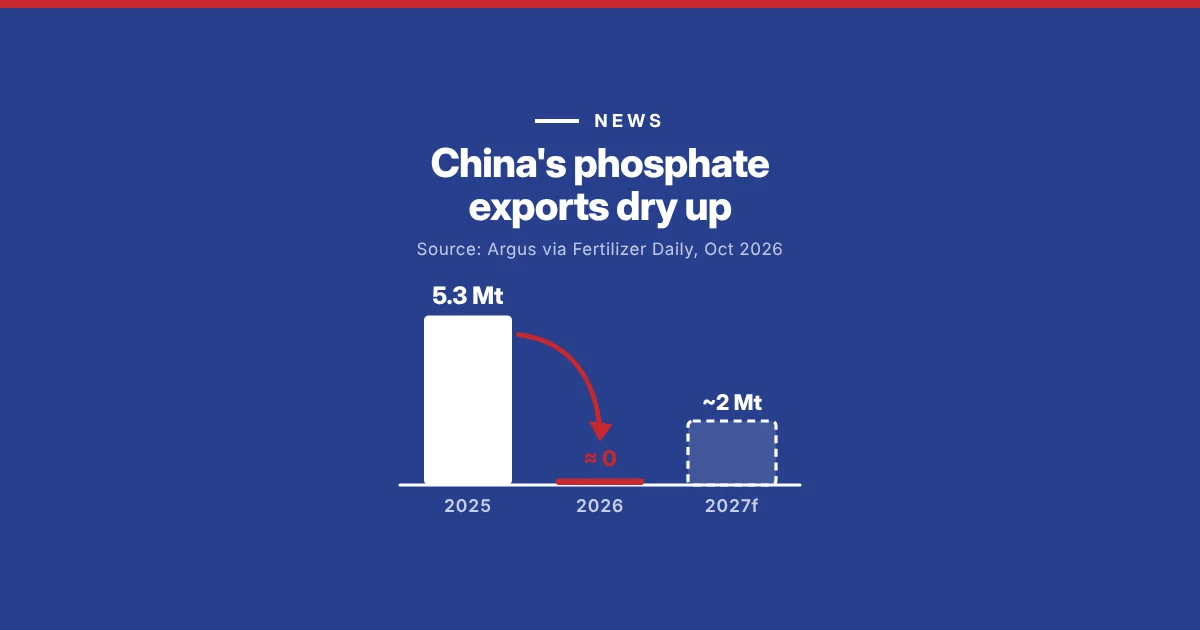
China, which exported about 5.3 million tonnes of phosphate fertilizer in 2025, has shipped almost none in 2026. With sulfur scarce and phosphate prices high, import-dependent markets face a tight season, and every kilo of phosphorus needs to work harder. At Van Polder, we believe a tight phosphate market is a reason to look again […]
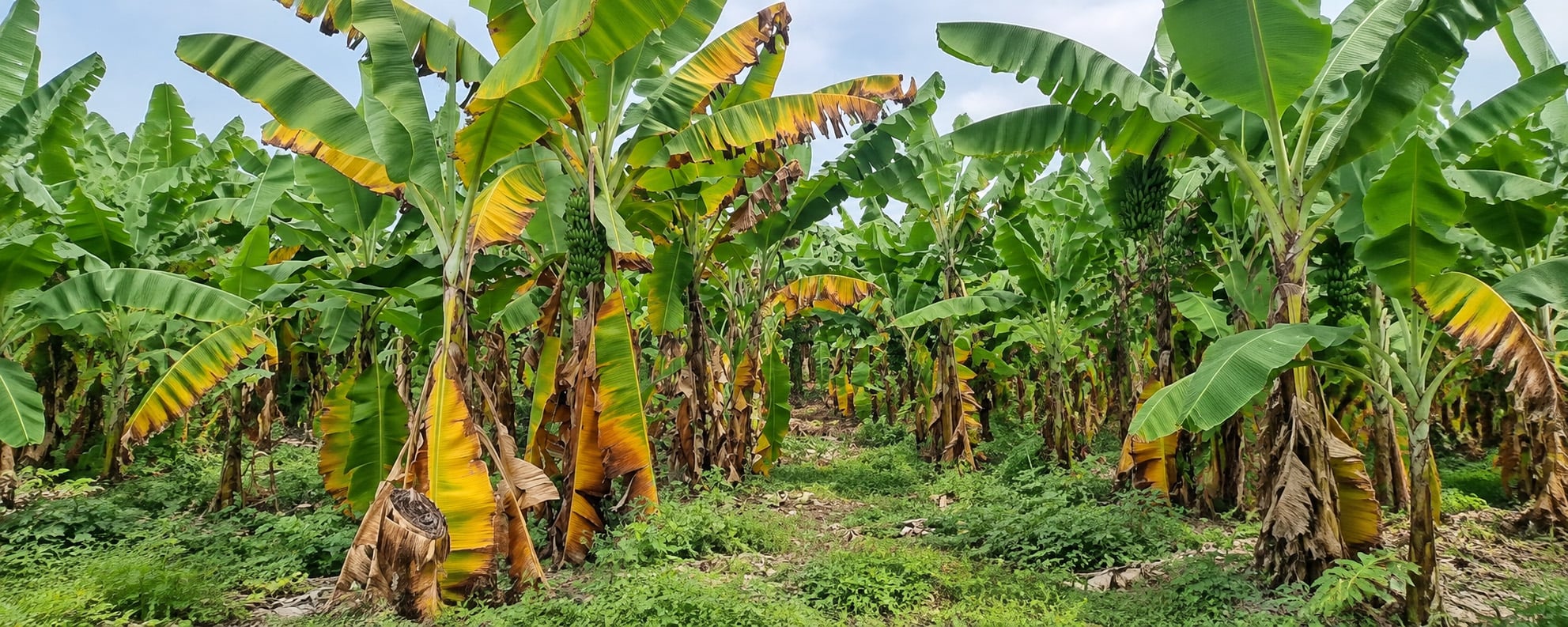
If you are starting a banana farm, Panama disease (Fusarium wilt of banana) is the risk to plan for. How to prevent Panama disease in bananas comes down to keeping the fungus out, because no fertilizer prevents or cures it and once it is in the soil it stays for decades (Pegg et al., 2019; […]
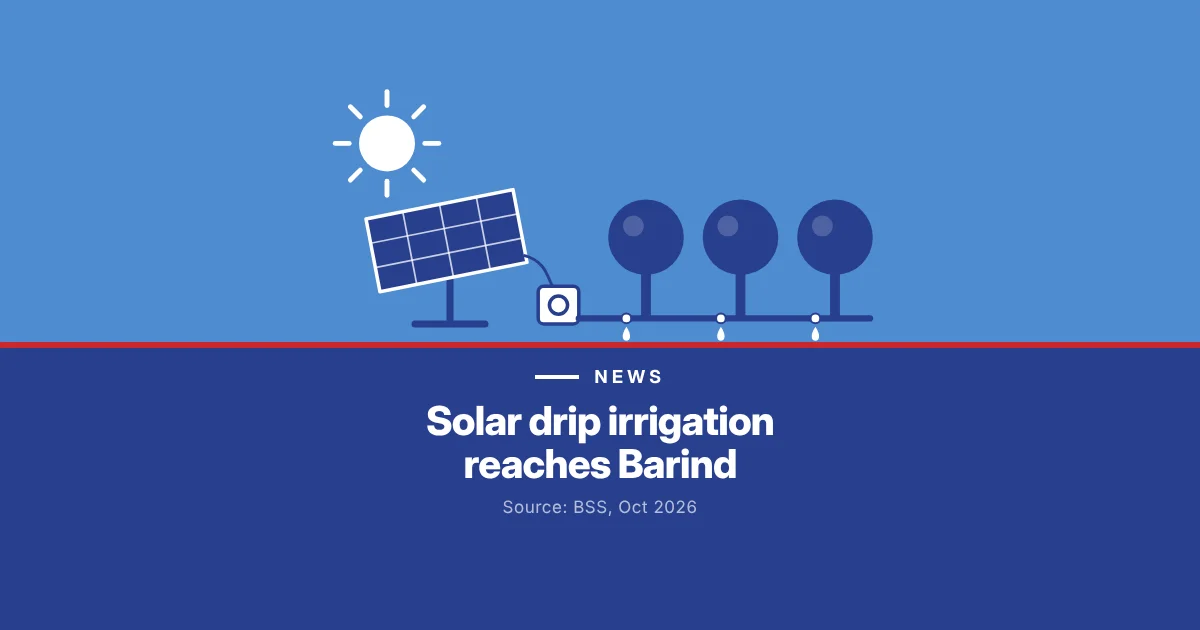
A government project in Bangladesh’s Rajshahi Division has brought solar-powered pumps, including solar drip systems for orchards, to drought-prone land where groundwater has been falling for decades. The Prime Minister wants all diesel irrigation pumps converted to solar within five years. For growers who move to drip, the next step is to feed the crop […]
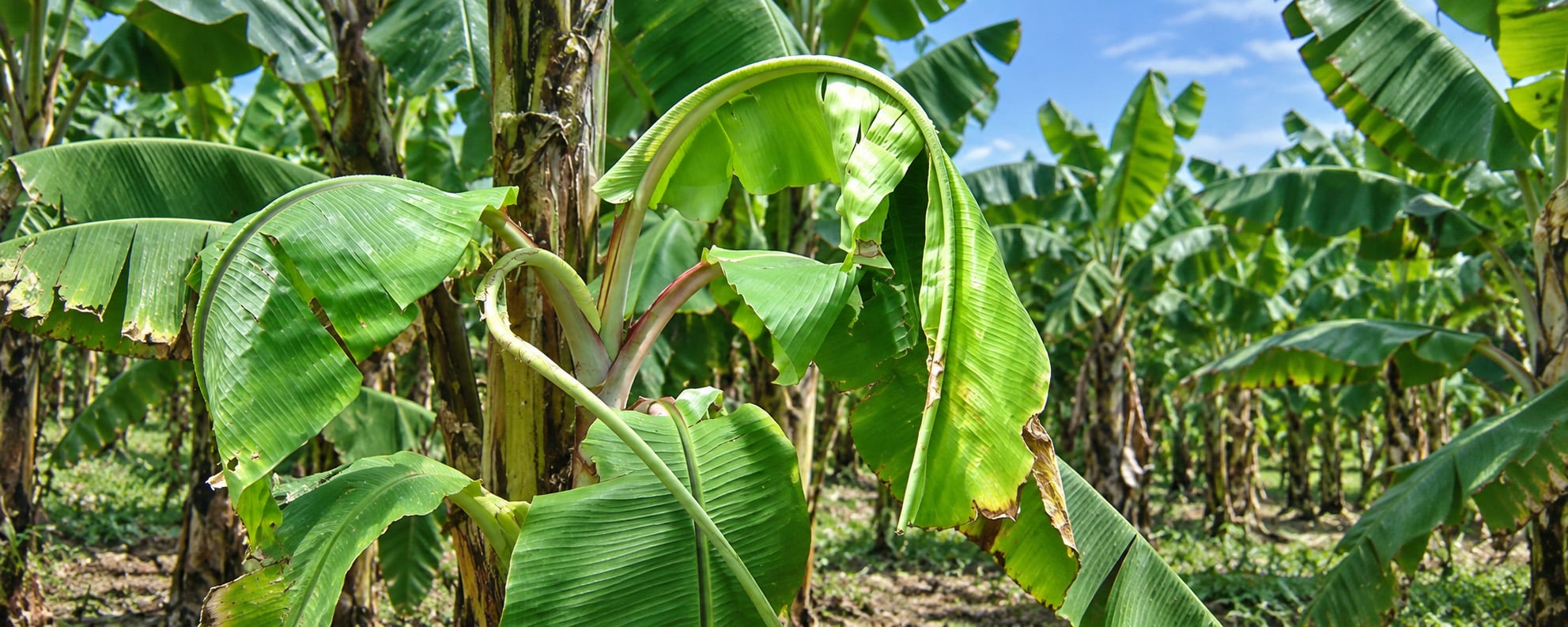
Calcium deficiency in banana shows first on the youngest leaves, as thickened veins and a saw-tooth pattern of yellow and dead tissue along the leaf margin, and in severe cases as “spike leaf”, new leaves with little or no blade, and poor-quality fruit (Turner, 1987; Martin-Prével, 1980). On most plantation soils it is not a […]
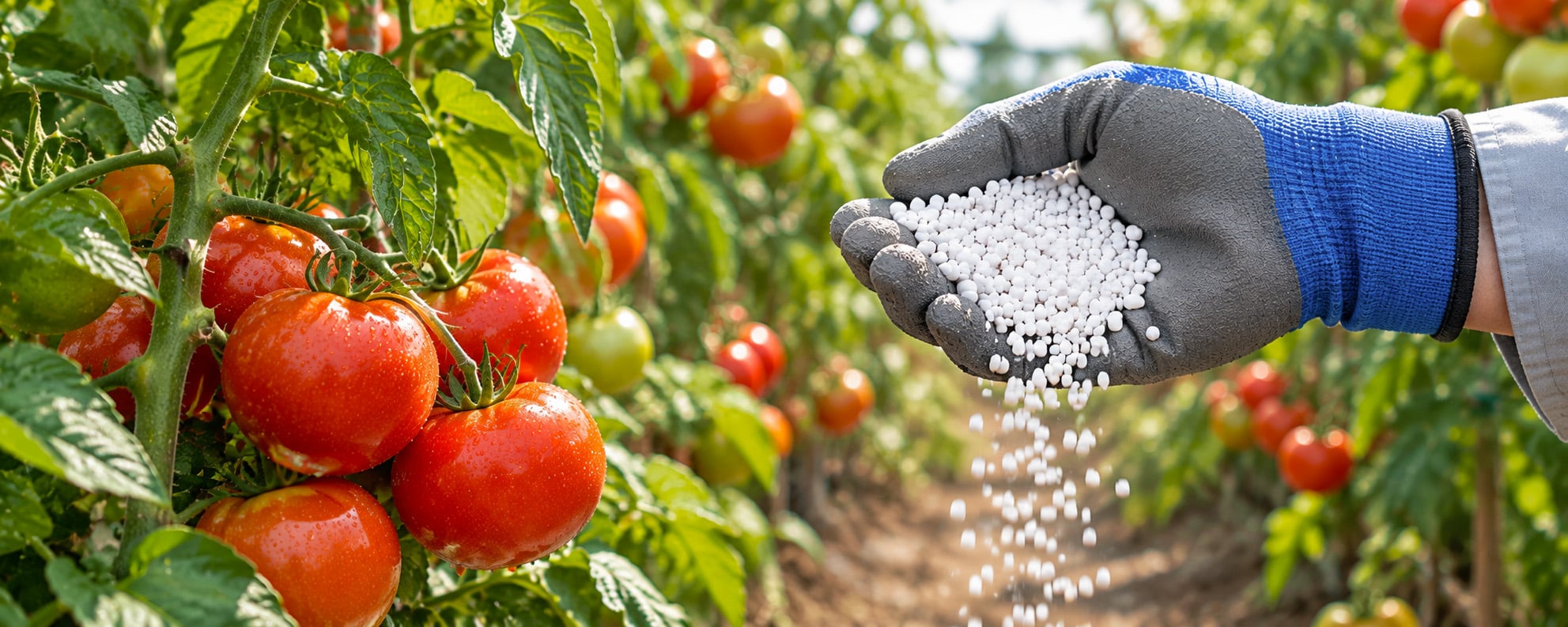
A calcium fertilizer supplies the calcium that holds plant cell walls and membranes together, but whether it reaches the fruit depends as much on water flow as on the fertilizer you choose. Calcium travels with water to the leaves and barely moves out of them again, so fruit and young leaves can run short even […]
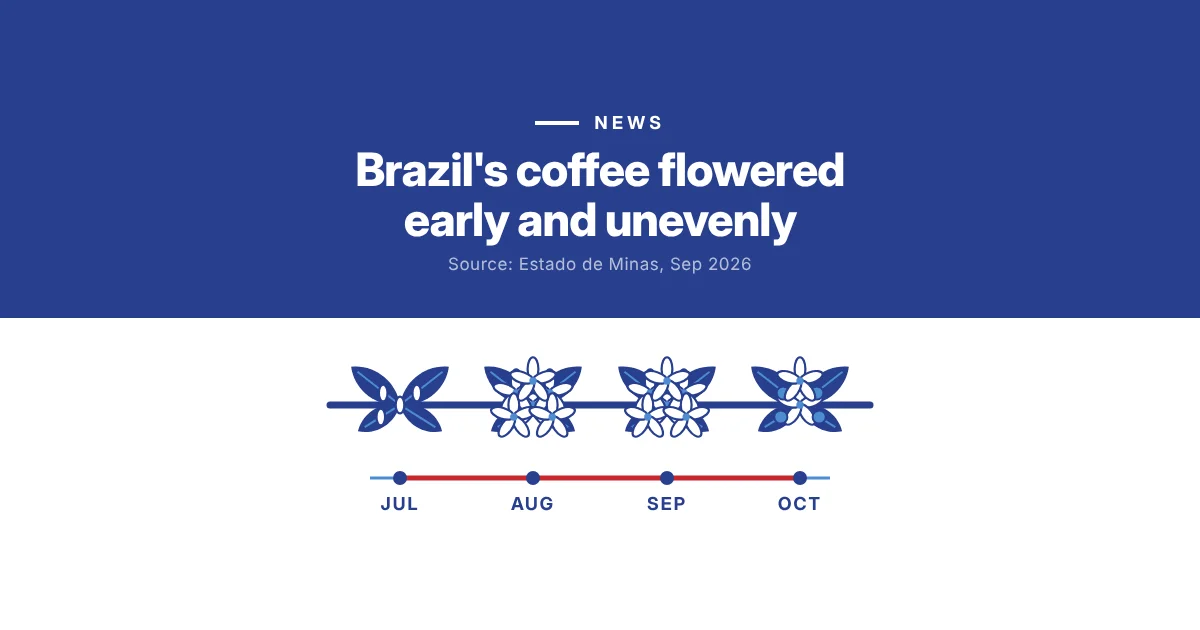
An unusually wet winter brought coffee flowering in Minas Gerais forward by about a month, in several separate waves. With October forecast to be hotter than normal and rain patchy, the question for 2027 is now how many of those flowers turn into fruit. At Van Polder, we believe a strong flowering is only the […]