







What is 6 Essential Amino Acids for Plant Growth and Development
Plants use 20 standard amino acids to build proteins, but only 6 act as essential amino acids for plants in terms of direct, measurable impact on crop performance: glutamic acid, glycine & alanine, proline, methionine, tryptophan, and arginine. Each one regulates a specific function, including calcium uptake, micronutrient chelation, drought and salinity tolerance, fruit ripening, […]

Plants use 20 standard amino acids to build proteins, but only 6 act as essential amino acids for plants in terms of direct, measurable impact on crop performance: glutamic acid, glycine & alanine, proline, methionine, tryptophan, and arginine. Each one regulates a specific function, including calcium uptake, micronutrient chelation, drought and salinity tolerance, fruit ripening, root growth, and nitrogen storage. Here’s what each amino acid does and why it matters for your crops.
1. Overview of the 20 Amino Acids for Plants
Plants build all 20 standard amino acids themselves, using the nitrogen they absorb and the carbon they fix through photosynthesis. Based on their biosynthetic origin, these amino acids fall into 6 families, and members of the same family often play related roles in plant physiology.
Glutamate Family: Nitrogen Assimilation, Energy Balance and Stress Response. This family is where inorganic nitrogen first enters organic compounds, making it the foundation of the plant’s entire nitrogen metabolism. Its members also regulate osmotic balance and store nitrogen for later growth stages.
- Glutamic acid (glutamate)
- Glutamine
- Proline
- Arginine
Aspartate Family: Nitrogen Storage, Stress Signaling and Hormone Precursors. Aspartate-derived amino acids store and transport nitrogen, especially under stress. They also supply precursors for ethylene and for signals that trigger the plant’s systemic defense response.
- Aspartic acid (aspartate)
- Asparagine
- Methionine
- Lysine
- Threonine
Shikimate Pathway (Aromatic Amino Acids): Hormone Precursors and Defense. These three aromatic amino acids are precursors for auxin, lignin, flavonoids and many defense compounds. They directly shape how plants grow and how they protect themselves against pathogens and UV stress.
- Tryptophan
- Phenylalanine
- Tyrosine
Serine Family: Photosynthesis, Photorespiration and Antioxidant Defense. The serine family is closely tied to photorespiration and to the production of glutathione, the plant’s main cellular antioxidant. Together, they help leaves maintain photosynthetic efficiency under high light and heat.
- Serine
- Glycine
- Cysteine
Pyruvate Family and Branched-Chain Amino Acids (BCAAs): Energy Supply Under Stress. When plants run short of energy during prolonged darkness, drought or waterlogging, these amino acids are broken down to fuel respiration. Alanine in particular accumulates under low-oxygen conditions.
- Valine
- Leucine
- Isoleucine
- Alanine
Histidine Pathway: Enzyme Structure and Metal Binding. Histidine forms its own biosynthetic pathway and binds metal ions at the active sites of many enzymes. It also helps plants chelate metals such as nickel and zinc.
- Histidine
Plants can build all 20 amino acids, but not all of them affect your crops equally. So in the next content, let’s figure out what amino acids are for plants, and what amino acids do plants need most? Below, we take a closer look at the 6 essential amino acids for plants that directly shape plant growth and development.
You will also see what amino acids are used for in plants, from building proteins and supporting stress tolerance to improving nutrient uptake, and how you can put each one to work in the field.
2. Glutamic Acid: Increases Calcium Uptake and Improves Soil
Glutamic acid (Glutamate) is a key metabolic hub in plants, serving as a precursor for the synthesis of many other amino acids such as Glutamine, Arginine, and Proline.
Mechanism of Action
Plants produce Glutamic acid from intermediates of the TCA cycle (cellular respiration cycle) via the enzyme glutamate dehydrogenase. It acts as a bridge between carbon and nitrogen metabolism, helping plants optimize nutrient uptake and utilization. When applied to soil, especially in combination with Fulvic acid, Glutamic acid improves the root zone, increases soil porosity, stabilizes pH, and enhances root nutrient absorption efficiency.
Within the plant, Glutamic acid participates in the formation of Proline – a compound that helps maintain water balance and protects cells under adverse conditions such as drought or salinity.
Practical Benefits
- Increases drought and salinity tolerance by promoting Proline accumulation.
- Improves soil health and water retention capacity.
- Supports plant growth, enhancing yield and crop quality.
Suggested Suitable Products from Van Polder
|
3. Glycine & Alanine: Optimize Micronutrient Uptake via Chelate Formation
Glycine and Alanine are small-structure amino acids that help transport and increase the absorption of micronutrients such as iron, zinc, manganese, copper, and boron in plants.
Mechanism of Action
These amino acids can form chelate complexes with metal ions, protecting micronutrients from precipitation or leaching in the soil, thereby enabling faster and more efficient root uptake. Alanine also helps maintain energy balance in plants, especially under low-oxygen conditions such as waterlogging. Beta-alanine is also involved in the synthesis of Coenzyme A – a key factor in energy metabolism.
Practical Benefits
- Increase the absorption and utilization of micronutrients.
- Support photosynthesis, hormone balance, and promote growth.
- Help plants increase tolerance to adverse conditions such as heat, drought, or environmental stress.
Note: Alanine should be used in balanced formulations with other amino acids to avoid negative effects on growth.
Suggested Suitable Products from Van Polder
|
4. Proline: A Shield Against Drought, Salinity, and Osmotic Regulation
Proline is an amino acid that plays an important role in plant stress tolerance. Proline levels often increase sharply when plants face adverse conditions such as drought, salinity, heat, or cold.
Mechanism of Action
Proline acts as a compatible solute, helping cells maintain water balance without being toxic. It supports plants by:
- Helping cells retain water better under dry conditions.
- Neutralizing free radicals (ROS), protecting cell membranes from stress damage.
When plants are under stress, the synthesis of Proline from Glutamate is enhanced, helping plants maintain growth activity and recover better.
Practical Benefits
- Increase tolerance to drought, salinity, and adaptation to adverse environments.
- Protect cells, maintain growth, and reduce damage from water deficiency.
- Support pollination and seed formation under stress conditions.
Building on Proline’s stress-protection role, many growers explore how to make amino acid fertilizer at home using fermented organic materials as an affordable way to boost plant resilience and nutrient availability.
Suggested Suitable Products from Van Polder
|
5. Methionine: Controls Fruit Ripening and Ethylene Production
Methionine is a sulfur-containing amino acid that both participates in protein synthesis and serves as an important precursor for the production of Ethylene – a hormone that controls fruit ripening, leaf senescence, and abscission.
Mechanism of Action
In plants, Methionine is converted into SAM (S-adenosylmethionine), which then participates in the production of:
- Ethylene: Regulates fruit ripening and development.
- Polyamines: Help plants cope with stress.
- Nicotianamine: Helps transport iron within the plant.
Plants also have the ability to recycle Methionine to maintain a balance between sulfur metabolism, Ethylene, and cell-protective compounds.
Practical Benefits
- Control ripening speed and fruit quality.
- Increase adaptability to drought and environmental stress.
- Support growth; Methionine deficiency can reduce leaf and seed quality and yield.
Suggested Suitable Products from Van Polder
- HYD LMW AA 60: Provides 60% total amino acids, supplementing Methionine and nutrients to help plants increase protein synthesis and natural Ethylene production.
- MICROMIX COMBI 4: Adds soluble sulfur and chelated micronutrients, supporting the synthesis of sulfur-containing amino acids such as Methionine.
6. Tryptophan: Stimulates Root Growth and Auxin (Growth Hormone) Synthesis
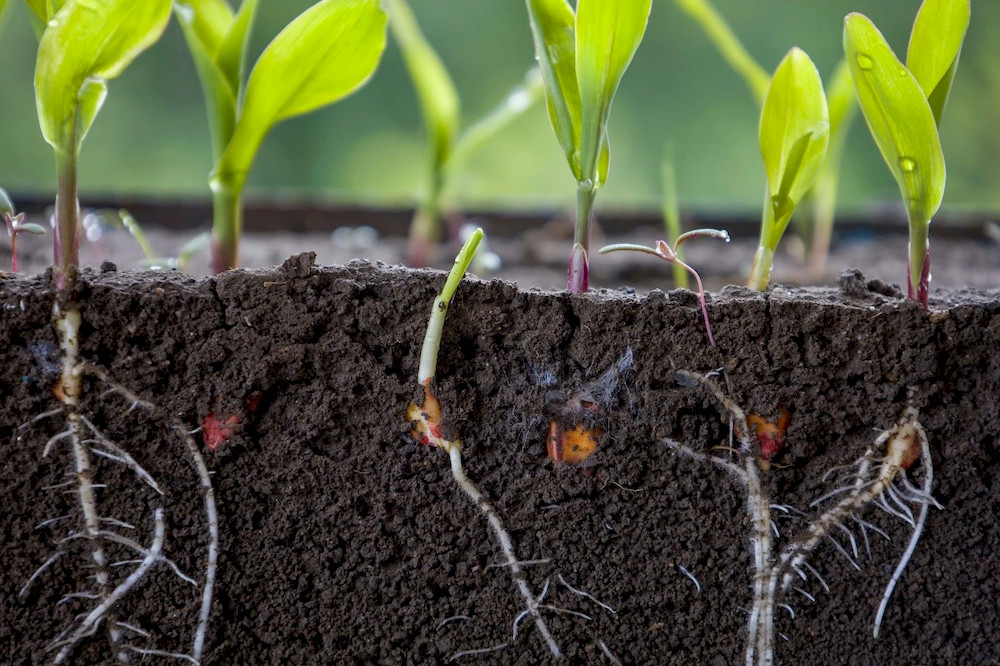
Tryptophan is an aromatic amino acid that acts as an important precursor for the synthesis of Auxin – a hormone that stimulates cell division, root elongation, and growth regulation.
Mechanism of Action
Plants synthesize Tryptophan via the shikimate pathway, then convert it into Auxin to support:
- Stimulation of new root formation, increased root length and root hairs.
- Regulation of shoot, leaf development, and water use efficiency.
Practical Benefits
- Help young plants develop a strong root system, increasing water and nutrient absorption capacity.
- Support better adaptation under drought and environmental stress.
- Participate in the synthesis of protective compounds that enhance the plant’s natural defense capabilities.
Suggested Suitable Products from Van Polder
|
7. Arginine: Nitrogen Storage and Enhanced Overall Stress Tolerance
Arginine is a nitrogen-rich amino acid that plants use as a storage reserve to mobilize when needed for growth, germination, or response to adverse conditions.
Egg protein shares this same nitrogen density, which is the basis for how to make amino acid fertilizer from eggs, a common DIY approach.
Mechanism of Action
Plants regulate Arginine synthesis according to nutritional status through a nitrogen-carbon balance sensing mechanism. Arginine is also a precursor for the production of Polyamines and Nitric Oxide (NO) – compounds that help protect cells, reduce oxidative stress, and increase tolerance to drought, salinity, and heat.
Practical Benefits
- Provide a fast source of nitrogen, supporting healthy plant development.
- Stimulate root growth, increase water and nutrient absorption capacity.
- Improve tolerance to drought, salinity, and adverse environmental conditions.
- Support germination and increase seedling vigor.
Suggested Suitable Products from Van Polder
|
These synergistic effects illustrate the overall amino acid fertilizer benefits, as different amino acids improve micronutrient availability, boost nutrient use efficiency, and strengthen plant resilience under stress.
These essential amino acids for plants act as biological regulators, boosting nutrient uptake, stress tolerance, and yield. For optimal results, use formulations that combine amino acids with micronutrients, Fulvic acid, or IBA. Contact Van Polder today for expert advice on the right product for your crops.


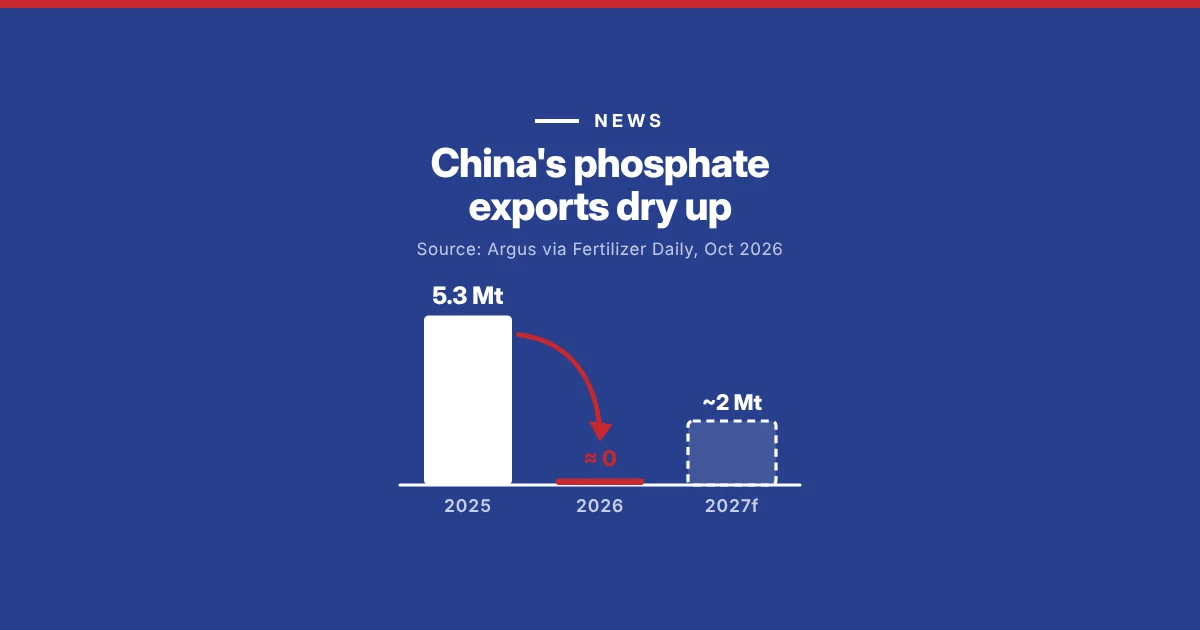
China, which exported about 5.3 million tonnes of phosphate fertilizer in 2025, has shipped almost none in 2026. With sulfur scarce and phosphate prices high, import-dependent markets face a tight season, and every kilo of phosphorus needs to work harder. At Van Polder, we believe a tight phosphate market is a reason to look again […]
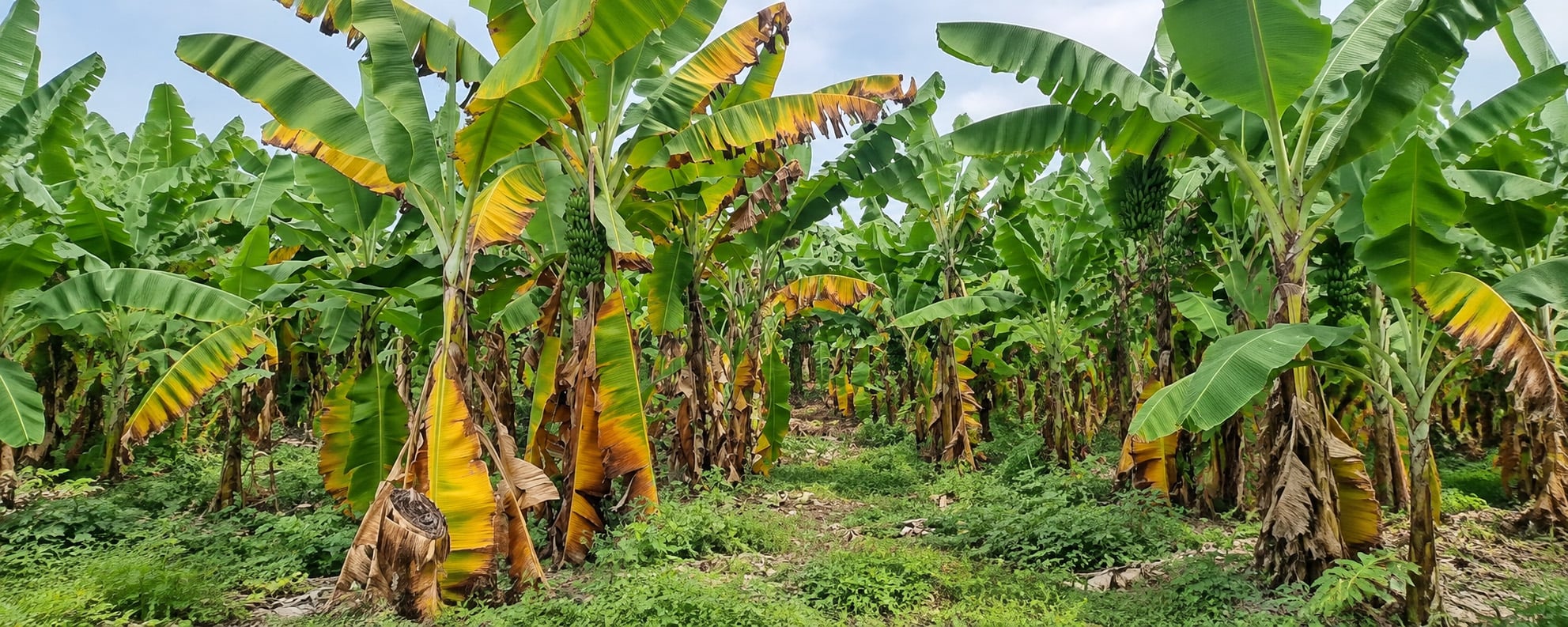
If you are starting a banana farm, Panama disease (Fusarium wilt of banana) is the risk to plan for. How to prevent Panama disease in bananas comes down to keeping the fungus out, because no fertilizer prevents or cures it and once it is in the soil it stays for decades (Pegg et al., 2019; […]

A government project in Bangladesh’s Rajshahi Division has brought solar-powered pumps, including solar drip systems for orchards, to drought-prone land where groundwater has been falling for decades. The Prime Minister wants all diesel irrigation pumps converted to solar within five years. For growers who move to drip, the next step is to feed the crop […]
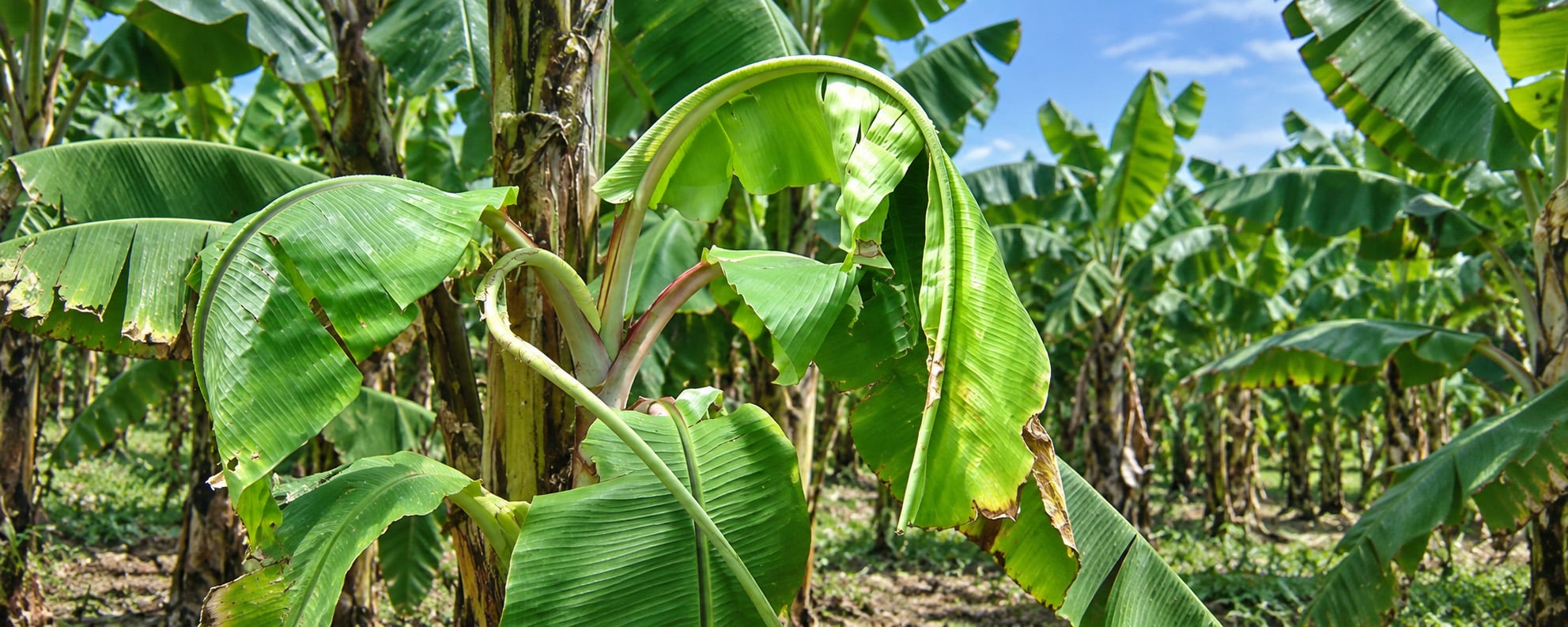
Calcium deficiency in banana shows first on the youngest leaves, as thickened veins and a saw-tooth pattern of yellow and dead tissue along the leaf margin, and in severe cases as “spike leaf”, new leaves with little or no blade, and poor-quality fruit (Turner, 1987; Martin-Prével, 1980). On most plantation soils it is not a […]
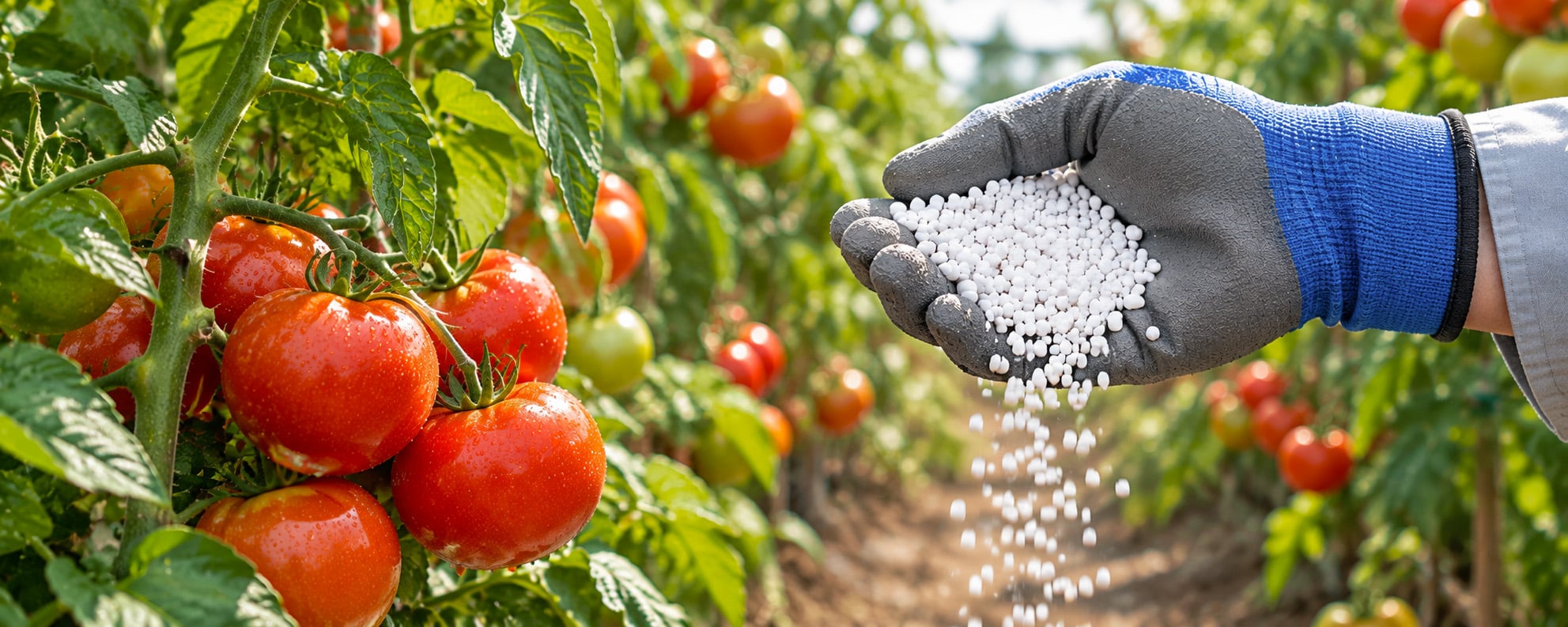
A calcium fertilizer supplies the calcium that holds plant cell walls and membranes together, but whether it reaches the fruit depends as much on water flow as on the fertilizer you choose. Calcium travels with water to the leaves and barely moves out of them again, so fruit and young leaves can run short even […]

An unusually wet winter brought coffee flowering in Minas Gerais forward by about a month, in several separate waves. With October forecast to be hotter than normal and rain patchy, the question for 2027 is now how many of those flowers turn into fruit. At Van Polder, we believe a strong flowering is only the […]