







Fish Amino Acid Fertilizer Dose: Complete Crop-by-Crop Dosage Guide [2026]
Fish Amino Acid (FAA) is an organic fertilizer derived from fish protein, valued for its high nitrogen content and bioavailable amino acid profile. Its concentration is also what makes dosing precision critical – too much triggers leaf burn and osmotic shock; too little leaves crops underperforming. This guide walks you through specific FAA application rates […]
![Fish Amino Acid Fertilizer Dose: Complete Crop-by-Crop Dosage Guide [2026]](https://vanpolder.com/wp-content/uploads/2026/06/fish-amino-acid-fertilizer-dose.jpg)

Fish Amino Acid (FAA) is an organic fertilizer derived from fish protein, valued for its high nitrogen content and bioavailable amino acid profile. Its concentration is also what makes dosing precision critical – too much triggers leaf burn and osmotic shock; too little leaves crops underperforming. This guide walks you through specific FAA application rates per litre, per hectare and acre, by growth stage, and by crop type, alongside troubleshooting guidance for both over- and under-dosing.
Before reaching for the bottle, you need to distinguish between two fundamentally different categories of FAA, because their concentration and application protocols are not interchangeable:
| Criteria | Homemade FAA Fertilizer | Commercial FAA Fertilizer (also marketed as Fish Protein Hydrolysate) |
| Production method | Fermented from fresh fish by-products (head, bones, skin, fins, viscera – typically from blue-back fish such as mackerel, sardines, or skipjack tuna) mixed with brown sugar, jaggery, or molasses at a 1:1 ratio by weight. | Produced through industrial enzymatic hydrolysis using commercial proteases such as Alcalase, Neutrase, or Flavourzyme – proteins are cleaved into peptides and free amino acids, then concentrated and standardized. |
| Nutrient content | Variable depending on fish species, fermentation duration, and ambient conditions. | Standardized and disclosed on product labels. Typical liquid hydrolysate: NPK 2-4-1 or 2-3-1. Concentrated powder formulations reach up to 12-1-1 or 15-1-1. |
| Amino acid content | Contains amino acids and peptides derived from fermentation of fish protein. Exact concentration and amino acid profile vary depending on fish species, sugar source, and fermentation conditions. | Disclosed on product labels. Several major manufacturers specify ≥80% L-amino acids in their concentrated powder products. |
| Application safety | Standard minimum dilution 1:1,000 in KNF practice. | Safe at 1 mL/L (1:1,000), adjustable from 0.5 – 5 mL/L per label. |
| pH | Acidic, typically pH 4.15 – 4.5 after fermentation. | Acidic, typically pH 3.5, stabilized during manufacturing. |
| Shelf life | Variable depending on storage conditions. Store in a cool, dark place with the container sealed to maintain potency. | Disclosed on product labels. Liquid formulations are typically marketed as having an indefinite shelf life when sealed and undiluted. Dry powder formulations are typically usable as long as stored cool and dry. |
1. Fish Amino Acid Fertilizer Dose Per Litre
The table below summarizes standard dilution rates for the three most common application methods: foliar spray, soil drench, and drip irrigation. When converting from mL/L rates, keep your sprayer’s tank capacity in mind – most backpack sprayers hold 16 L, 20 L, or 25 L.
| Application Method | Homemade FAA Fertilizer | Commercial FAA Fertilizer |
| Foliar Spray | 1 – 2 mL/L (1:1,000 – 1:500) | 2 – 7.5 mL/L |
| Soil Drench | 1 – 2 mL/L (1:1,000 – 1:500) | 1 – 8 mL/L |
| Drip Irrigation | Not recommended (Contains unfiltered organic particles, fish oil residues, and active microbial biomass that clog drip emitters within one application cycle) | 1.5 – 15 mL/L (requires high-grade filtration) |
Note: Commercial FAA dosages vary considerably across brands. For instance:
- Abtec Fish Amino Acid(India): 2 – 5 mL/L for foliar spray, 10 mL/10 L for soil drench, 3 mL/L/m² for drip irrigation.
- Neptune’s Harvest Fish Hydrolysate 2-4-1(USA): 1 oz (~30 mL) per gallon of water for outdoor plants, equivalent to ~7.5 mL/L.
- Pure Protein Dry – BuildASoil(USA, powder 15-1-1): 1 tsp/quart for unrooted cuttings; 2 tsp/quart for newly rooted plants.
Always follow the dilution instructions on the specific product label. Start at the lowest recommended dose, then increase incrementally only after observing positive crop response.
For homemade FAA, conducting a small pilot trial before full application is particularly important – even though NPK content can match commercial products, batch-to-batch variation means each new fermentation cycle may behave differently in the field.
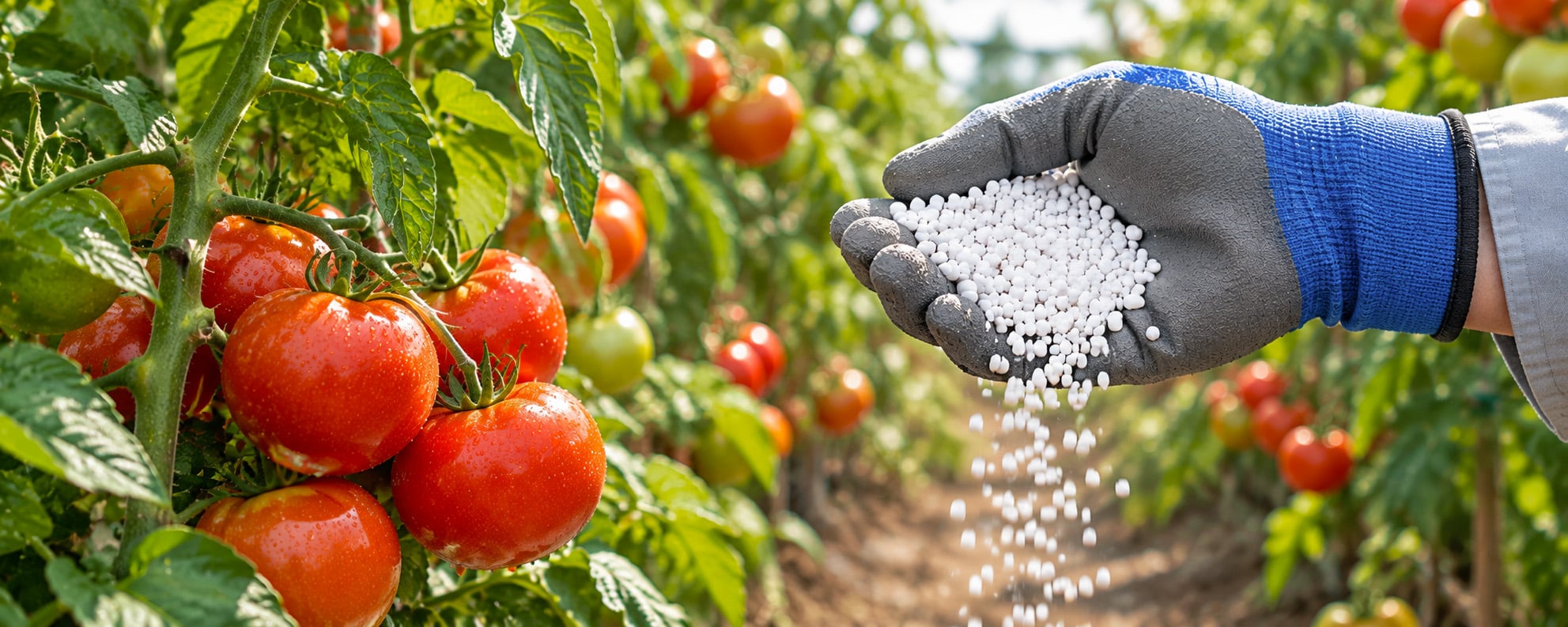
Foliar application of fish amino acid fertilizer at 1:1,000 dilution – the standard KNF rate for vegetative growth stages.
2. Fish Amino Acid Fertilizer Dose Per Acre and Hectare
For operations running 1 hectare or more, accurate area-based dosing becomes a primary lever for cost control and yield optimization. The tables below provide rates in both metric (hectare) and imperial (acre) units to accommodate manufacturer guidelines from different regions.
2.1. FAA Fertilizer Dosage Per Hectare
Application rates per hectare are summarized below. Mix with the specified amount of water before use.
| Application Method | Homemade FAA Fertilizer | Commercial FAA Fertilizer |
| Foliar Spray | 1,000 – 1,500 mL/hectare | 2,500 – 7,400 mL/hectare |
| Soil Drench | 2,000 – 2,500 mL/ha (mix with 500 – 1,000 L water/ha to uniformly wet the root zone) | 1 – 2 kg (powder) or 5 – 30 L (liquid) per hectare (dilute per manufacturer instructions; typically ~1,000 L water/ha) |
| Drip Irrigation | Not recommended | 500 mL – 2 L (liquid) or 250 – 500 g (powder) per hectare, split across multiple applications per season |
Note:
Commercial products allow more precise dosing thanks to standardized nutrient profiles and the Guaranteed Analysis on the label.
With homemade FAA, run a pilot trial on a small plot (10 – 50 m²) before broad application, since nutrient content varies meaningfully from batch to batch – even when individual batches may match or exceed commercial NPK levels.
2.2. FAA Fertilizer Dosage Per Acre
For operations using the imperial system (common in the US, UK, and parts of India), the following table converts the per-hectare rates above using the standard 1 hectare = 2.47 acres conversion factor.
| Application Method | Homemade FAA | Commercial FAA |
| Foliar Spray | 400 – 600 mL/acre (mix with ~200 L water/acre) | 200 – 400 g (powder) or 0.4 – 12 L (liquid) per acre |
| Soil Drench | 200 – 600 mL/acre (mix with 200 – 400 L water/acre) | 2 – 12 L (liquid) per acre |
| Drip Irrigation | Not recommended | 800 mL – 1 L (liquid) or 400 – 800 g (powder) per acre |
Note: The dosages shown above are estimates based on common commercial products. For your specific fertilizer, always follow the application rates and instructions printed on the product label.
3. Fish Amino Acid Fertilizer Dosage by Growth Stage
Dosage varies by growth stage to avoid fertilizer shock in young plants and ensure balanced nutrition during fruit development.
| Growth Stage | Homemade FAA | Commercial FAA |
| Seedling / Establishment / Post-Transplant | 0.5 mL/L – 1 mL/L | 1 mL/L – 2 mL/L |
| Vegetative Growth / Root Recovery | 1 mL/L – 2 mL/L | 1 mL/L – 3 mL/L |
| Mature Phase / Flowering & Fruit Development | 1.5 mL/L – 3 mL/L | 1 mL/L – 2 mL/L |
Note: These figures are for reference only. Always comply with the manufacturer’s guidelines on the label of your actual product.

4. Fish Amino Acid Fertilizer Dose By Crop Type
Below is a dosage table compiled from product labels of three widely available brands (Dora Agri, Neptune’s Harvest, GS Plant Foods). Since product concentrations vary, powder equivalents are estimates based on a typical conversion of 1 L liquid = 150 – 200 g powder (varies by brand). Always follow your specific product’s label first.
| Target Crop / Condition | Liquid Dosage (per 1 L water) | Powder Dosage (per 1 L water) | Frequency | Source Product(s) |
| Vegetables, Flowers (outdoor) | 7.5 mL (1 oz) | 1.5g – 2g (¹/₃ – ¹/₂ tsp) | Every 1 – 2 weeks | Neptune’s Harvest; GS Plant Foods |
| All Crops (general dilution) | 0.5mL – 0.67mL (1:1,500 – 1:2,000 dilution) | 0.1g – 0.15g | 3 – 4 times per season | Dora Agri – AminoPoly 80 |
| Outdoor Plants, Shrubs | 7.5mL – 15 mL (1 oz – 2 oz) | 1.5g – 3g (¹/₂ – 1 tsp) | Every 2 – 3 weeks | Neptune’s Harvest; GS Plant Foods |
| Trees, Fruit Trees | 30mL – 60mL (4 oz – 8 oz) | 6g – 12g (2 – 4 tsp) | 2 – 3 times per season | GS Plant Foods (product label) |
| Indoor Plants | 4 mL (1 tbsp) | 0.8g – 1g (approx. ¼ tsp) | Every 2 weeks | Neptune’s Harvest; GS Plant Foods |
| Commercial Crops (foliar spray) | 1:500 dilution – 1:800 dilution (2 – 3 gal/acre) | 0.2g/L – 0.4g/L | 3 – 4 times per season | Dora Agri – FishBlend |
| Cereals, Legumes, Potatoes | 6 – 8 L/ha total (split into 3 applications) | 1.2 – 1.6 kg/ha total | Every 15 days after first leaf stage | Dora Agri – AminoPoly 50 |
| Tomatoes, Cucumbers, Peppers | 7 L/ha total (split into 2 – 3 applications) | 1.4 kg/ha total | Every 10 – 15 days from planting | Dora Agri – AminoPoly 50 |
Note:
- The dosages provided are for general guidance. Due to variations among commercial FAA products, you must comply with the exact rates printed on the label of the fertilizer you are using.
- Homemade FAA follows a universal dilution ratio: 1 mL FAA per 1 liter of water (1:1,000), regardless of crop type. This standard ratio comes from Korean Natural Farming (KNF) practice and is documented in the University of Hawai’i CTAHR research publication on Fish Amino Acid (SA-12, March 2014). FAA can be applied as a soil drench or foliar spray, typically once per week during the vegetative stage. For leafy vegetables, continuous weekly application helps increase yield and improve taste. When used as foliar spray, apply to both sides of the leaves, preferably early morning or late afternoon.
5. Notes on Applying Fish amino Acid Fertilizer Dose
The following notes apply to all dilution rates and dosage tables in this guide (including per-litre, per-hectare/acre, growth stage, and crop type tables). Please review them carefully before application:
-
- Nutrient variability: Homemade FAA (KNF-style) lacks consistency due to varying fermentation periods (14 days to 6 months) and raw material ratios. Small-scale pilot trials are mandatory before broad application. Commercial FAA offers standardized analysis (Free Amino Acids 40 – 80%) and guaranteed NPK ratios (e. g., 14-0-0, 5.04 – 0.65-1.32), ensuring precision in nutrient loading. This standardization also makes it easier to verify whether a product delivers the essential amino acids for plants that support protein synthesis and stress recovery.
- Product precision: Commercial formulations provide superior precision as they are standardized and come with manufacturer-validated guidelines. Always refer to the Guaranteed Analysis on the product label for accurate adjustments.
- Site-Specific adjustment: Application rates should be calibrated based on your specific crop species, phenological stage, and local soil fertility conditions.
- Pay attention to timing and frequency:
-
- For sensitive species (orchids, bonsai, or emerging seedlings), initiate treatment at the minimum concentration and escalate gradually based on plant response.
- The 7 – 14 day interval is recommended based on the most common guidelines for both commercial and homemade fish amino acid fertilizers. This is a safe and effective range for most crops.
- For commercial FAA products, you should always refer to the specific instructions on the product label, as some products may be used at different frequencies (e. g., 2 – 3 times per week or every 2 – 4 weeks).
- For homemade FAA, it is best to strictly follow this frequency range and focus application on key growth stages such as at planting, when the plant begins to flower, or when growth slows down.
6. Troubleshooting – Signs of Over-Dosing & Under-Dosing
Even with strict adherence to protocols, crops may respond differently based on edaphic conditions (soil factors), climate, and genetics. Early identification of toxicity or deficiency is vital to safeguard biomass accumulation and marketable yield.
6.1. Signs and Solutions for Over-Dosing (Nitrogen Excess)
Excessive application of Fish Amino Acid (FAA) leads to Nitrogen (N) toxicity. This compromises plant health, increases pest pressure, and risks environmental leaching.
Mechanism of injury: High concentrations of organic N or salts trigger osmotic stress. When the soil solution’s osmotic pressure exceeds that of the root cells, water is drawn out of the plant (exosmosis), leading to “physiological drought” and tissue necrosis. Continuous application may also spike the Electrical Conductivity (EC) of the growing media.
| Symptoms | Solutions |
| Nitrogen burn / Leaf tip burn: Chlorosis at leaf tips and margins, progressing to necrotic browning. Leaves may curl, become brittle, or undergo premature abscission. | Immediate cessation: Halt all fertilizer applications, especially N-heavy inputs, to prevent further nutrient loading. |
| Luxuriant growth / Excessive foliage: Atypical deep green foliage that is succulent and structurally weak. This results in lodging susceptibility and delayed transition from vegetative to reproductive stages. | Soil leaching (Flushing): Apply heavy volumes of clean water to leach excess mobile nitrates and accumulated salts beyond the effective root zone. |
| Leaf morphological distortion: Young leaves appear thickened, cupped, or abnormally rugose due to physiological shock. | Sanitary pruning: Remove severely necrotic or non-functional foliage to reduce transpiration stress and allow the plant to redirect energy to new meristematic growth. |
| Physiological wilting: Plants exhibit wilting despite high soil moisture levels, a direct result of osmotic imbalance hindering water root uptake. | Soil amendment & Rebalancing: Once drained, incorporate Biochar or well-composted organic matter to buffer excess nutrients. Apply Potassium (K) and Phosphorus (P) to antagonize N-excess and strengthen cell walls. |
| Increased pest & Pathogen susceptibility: Succulent tissues attract piercing-sucking insects (aphids, thrips, mites) and serve as a primary host for fungal pathogens. | Analytical diagnostic: Conduct Soil Testing to monitor pH and EC levels. High EC readings indicate residual salinity requiring further remediation. Recommended remediation steps for high EC levels:
|
6.2. Signs and Solutions for Under-Dosing / Nitrogen Deficiency
Insufficient application of Fish Amino Acid (FAA) or a lack of alternative nitrogen sources leads to Nitrogen (N) deficiency. As nitrogen is a mobile element within the plant, deficiency symptoms typically manifest first in senescing (older, lower) leaves as the plant redistributes nitrogen to active meristematic regions.
| Symptoms | Solutions |
| Generalized Chlorosis in Older Leaves: Basal leaves fade to light green then uniform yellow, while apical leaves remain green. This is due to the translocation of N from mature tissues to support new growth. | Immediate Supplementary Application: Apply FAA at recommended rates. Foliar application is the preferred delivery method for rapid nutrient recovery; research indicates a 1 mL/L FAA spray can boost N-uptake by 9.6% and plant height by 5.5%. |
| Stunted Vegetative Development: Significant reduction in growth rate, biomass, and overall stature. In cereal crops (e. g., rice), N-deficiency severely limits tillering and panicle development, leading to reduced grain counts. | Adjust Application Frequency: During the recovery phase, increase the fertilization frequency to every 7 – 10 days (instead of 2 – 3 weeks). Monitor leaf color intensity using tools like the SPAD meter or leaf color charts to calibrate further inputs. |
| Morphological Leaf Changes: Leaves appear smaller, narrower, and exhibit an erect growth habit. In some species, N-stress triggers anthocyanin accumulation, causing atypical red or purplish tints. | Integrated Nutrient Management (INM): Combine FAA with other organic sources like vermicompost or green manure. This synergy provides a sustained release of N while improving soil tilth and microbial diversity. |
| Premature Senescence & Yield Loss: Severe deficiency triggers early leaf drop and reduced photosynthetic capacity. This results in poor fruit set, smaller fruit size, and compromised organoleptic quality. | Cultural Practices: Incorporate cover crops (especially legumes) and increase Soil Organic Matter (SOM) to improve the soil’s Nitrogen Holding Capacity and reduce leaching losses. |

7. FAQs
7.1. Can I Mix Fish Amino Acids With NPK Fertilizer?
Direct mixing of FAA with synthetic NPK fertilizers in the same tank-mix is generally discouraged. This can trigger chemical reactions, leading to nutrient antagonism or the formation of insoluble precipitates, which reduce bioavailability.
7.2. What Is The Best Time Of Day To Apply FAA?
The optimal window for foliar application is during the early morning or late afternoon. This is based on plant physiology, specifically the peak opening of stomata and lower evapotranspiration rates. Applying during cooler periods maximizes nutrient absorption and mitigates the risk of phytotoxicity (leaf burn) caused by rapid evaporation under intense solar radiation.
7.3. How Often Should I Apply Fish Amino Acid?
Application frequency is not fixed; it must be calibrated based on the application method, phenological stage, and crop species. Standard Protocol: For most crops, an interval of 7-14 days is recommended. This ensures a consistent nutrient supply without exceeding the plant’s metabolic capacity or causing nutrient loading stress.
7.4. Can FAA Burn My Plants?
Yes, fertilizer burn can occur if FAA is mismanaged. You should always adhere to the recommended dilution ratios to maintain a safe Electrical Conductivity (EC) level in the root zone or on the leaf surface. Using a well-formulated, standardized product also reduces this risk — see our guide to the best fish amino acid fertilizer for options with consistent, label-verified concentrations.
7.5. How Long Does Homemade FAA Last?
Homemade FAA lacks the shelf-stability of standardized commercial products.
- Efficacy Window: Peak nutritional value is typically maintained within the first 3 months. While it can be stored for 6-12 months (or up to 2 years under ideal conditions), its biological activity and amino acid profile degrade over time.
- Quality Control: Always perform a sensory check (odor/consistency) to ensure no putrefaction has occurred before application.
Mastering the precise fish amino acid fertilizer dose for each specific crop and phenological stage is the key to unlocking the full potential of this exceptional organic input. Whether it is enhancing rice yields with a 1 mL/L application or boosting biomass in vegetable crops, FAA stands as a truly sustainable solution.
Always adhere to the “dilution-first” principle, monitor plant response closely, and adjust the fish amino acid fertilizer dose flexibly to achieve a bountiful harvest and a thriving garden.


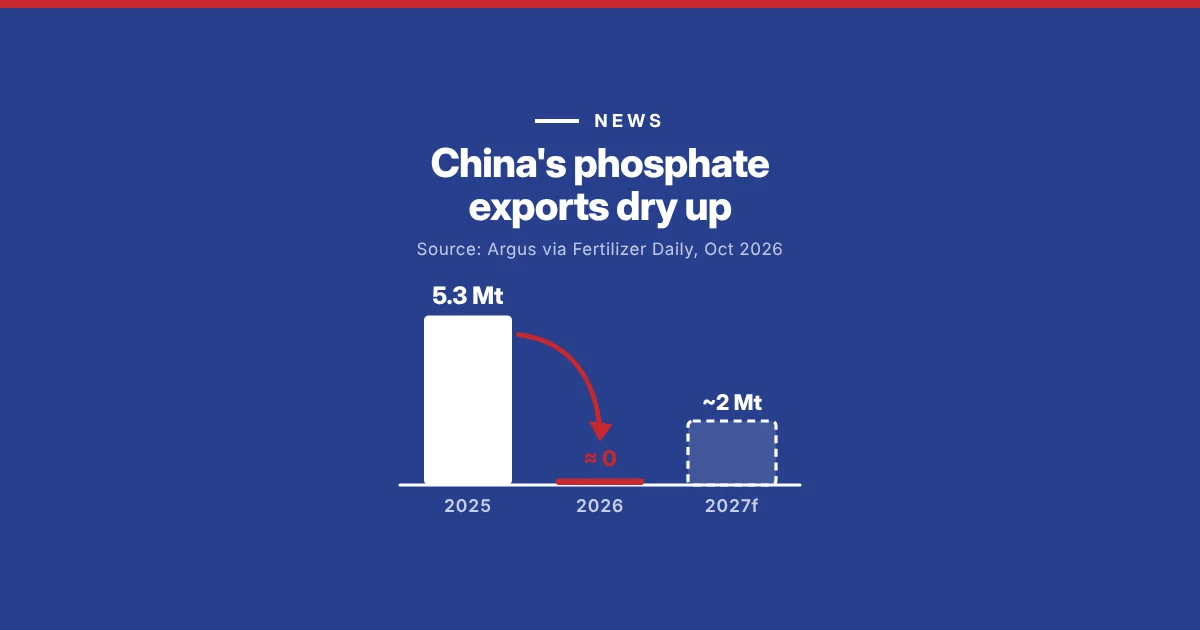
China, which exported about 5.3 million tonnes of phosphate fertilizer in 2025, has shipped almost none in 2026. With sulfur scarce and phosphate prices high, import-dependent markets face a tight season, and every kilo of phosphorus needs to work harder. At Van Polder, we believe a tight phosphate market is a reason to look again […]
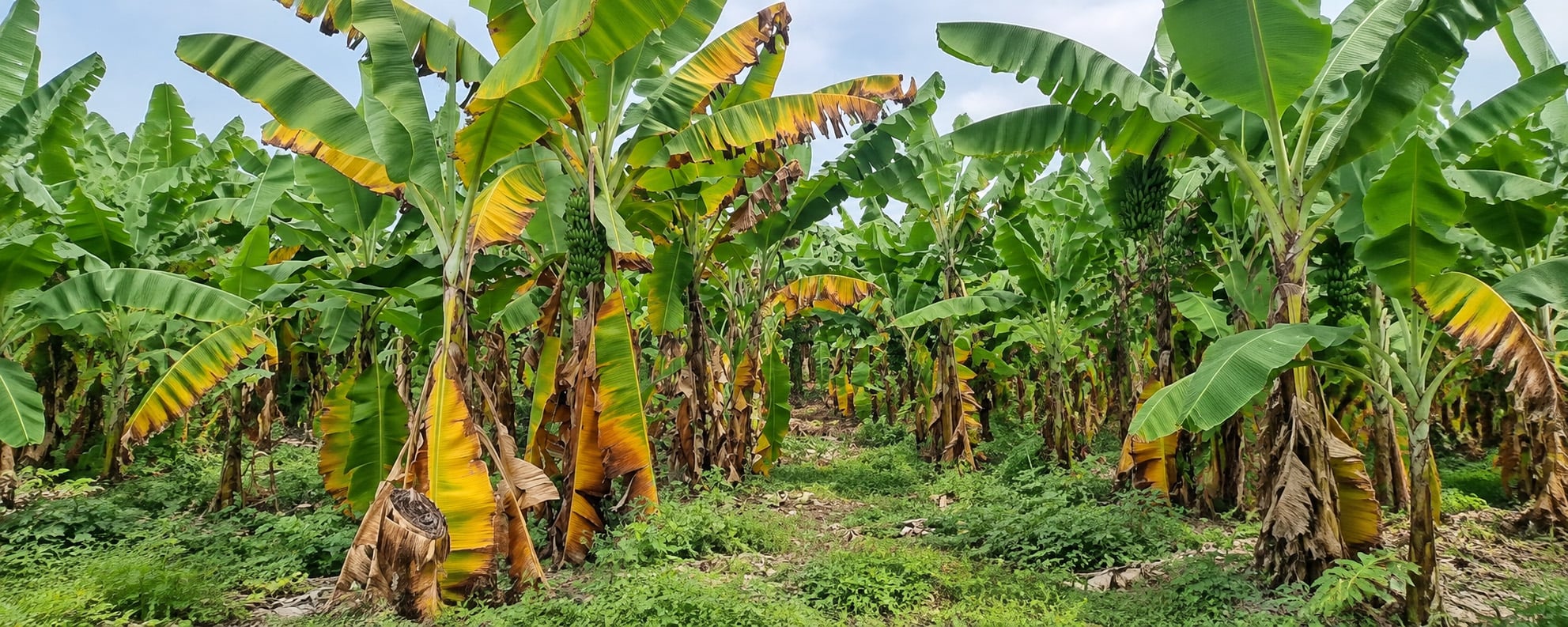
If you are starting a banana farm, Panama disease (Fusarium wilt of banana) is the risk to plan for. How to prevent Panama disease in bananas comes down to keeping the fungus out, because no fertilizer prevents or cures it and once it is in the soil it stays for decades (Pegg et al., 2019; […]
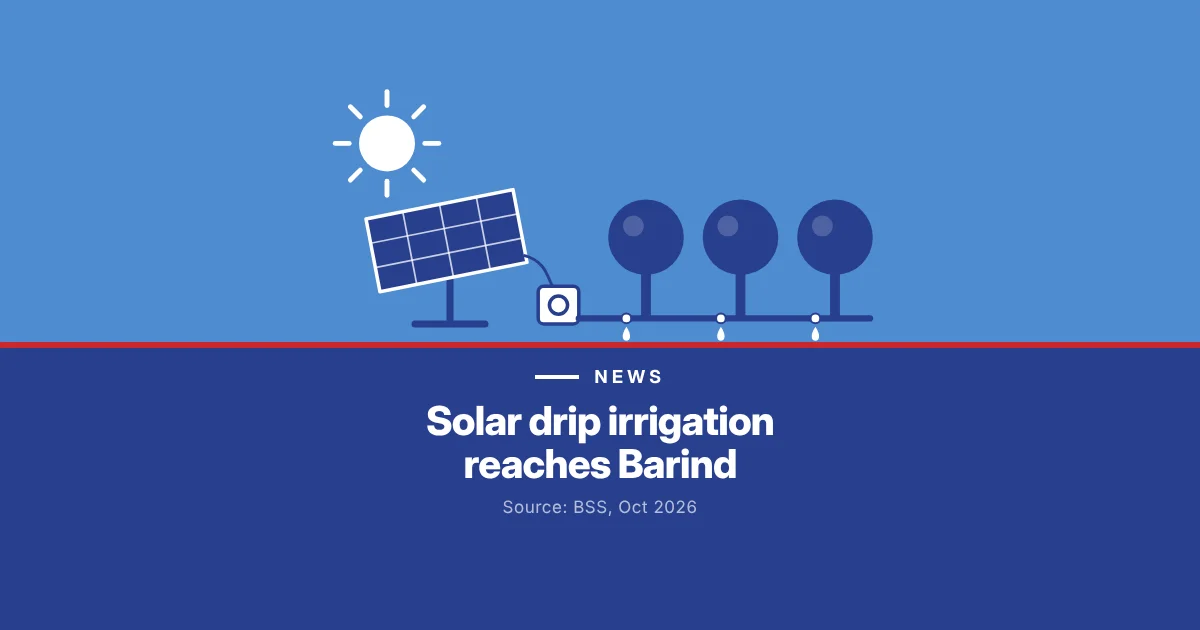
A government project in Bangladesh’s Rajshahi Division has brought solar-powered pumps, including solar drip systems for orchards, to drought-prone land where groundwater has been falling for decades. The Prime Minister wants all diesel irrigation pumps converted to solar within five years. For growers who move to drip, the next step is to feed the crop […]
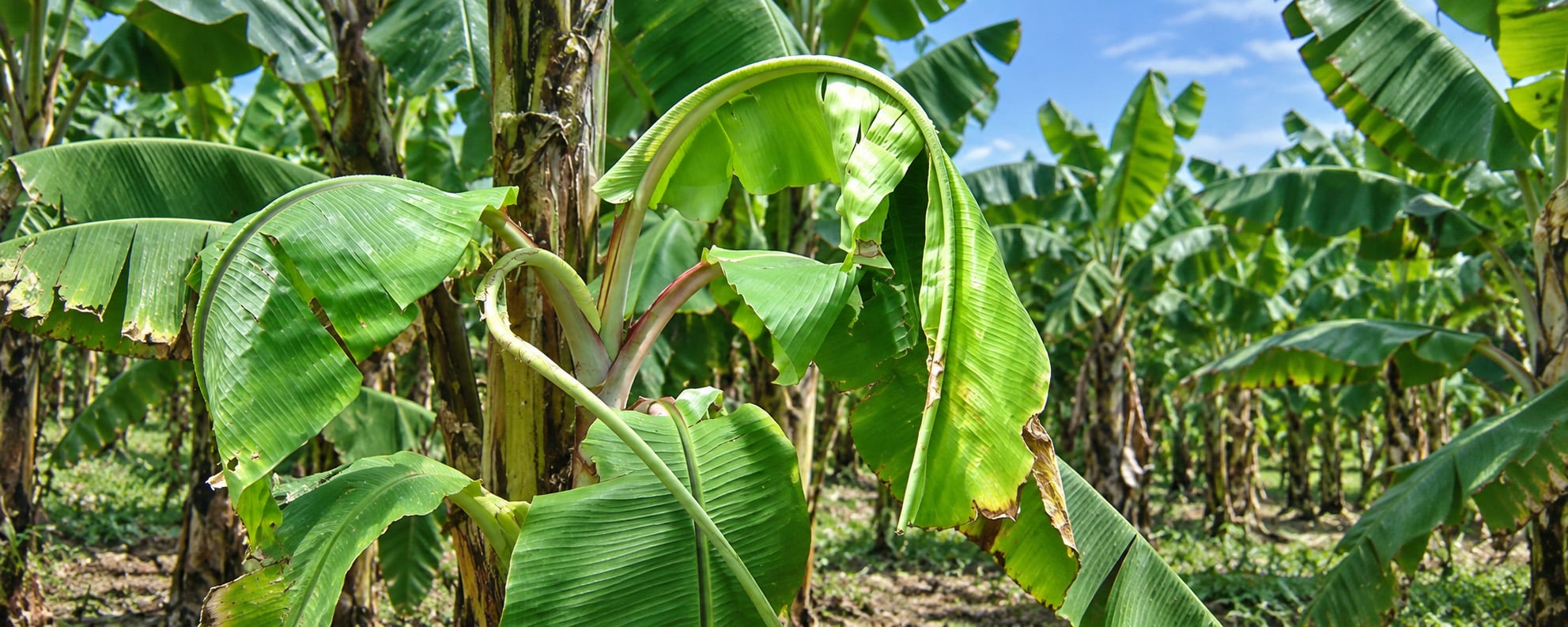
Calcium deficiency in banana shows first on the youngest leaves, as thickened veins and a saw-tooth pattern of yellow and dead tissue along the leaf margin, and in severe cases as “spike leaf”, new leaves with little or no blade, and poor-quality fruit (Turner, 1987; Martin-Prével, 1980). On most plantation soils it is not a […]
A calcium fertilizer supplies the calcium that holds plant cell walls and membranes together, but whether it reaches the fruit depends as much on water flow as on the fertilizer you choose. Calcium travels with water to the leaves and barely moves out of them again, so fruit and young leaves can run short even […]
An unusually wet winter brought coffee flowering in Minas Gerais forward by about a month, in several separate waves. With October forecast to be hotter than normal and rain patchy, the question for 2027 is now how many of those flowers turn into fruit. At Van Polder, we believe a strong flowering is only the […]