



How to Use NPK Water Soluble Fertilizer for Healthier and Stronger Plants
NPK water soluble fertilizer is a fully soluble fertilizer containing nitrogen (N), phosphorus (P), and potassium (K) that can be delivered directly to plants through irrigation water or foliar application. Its flexible application methods allow growers to adjust nutrient delivery to crop needs, growth stages, and growing conditions. This guide explains four practical ways to […]
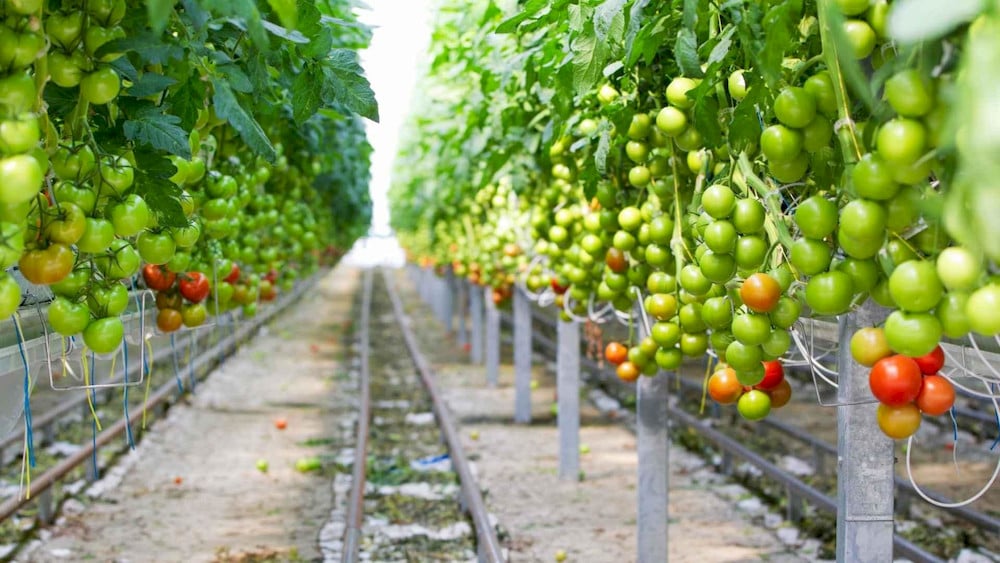

NPK water soluble fertilizer is a fully soluble fertilizer containing nitrogen (N), phosphorus (P), and potassium (K) that can be delivered directly to plants through irrigation water or foliar application. Its flexible application methods allow growers to adjust nutrient delivery to crop needs, growth stages, and growing conditions. This guide explains four practical ways to use NPK water soluble fertilizer and the key precautions to follow for effective application.
1. Fertigation / Drip Fertigation
Target Crops and Operational Scale
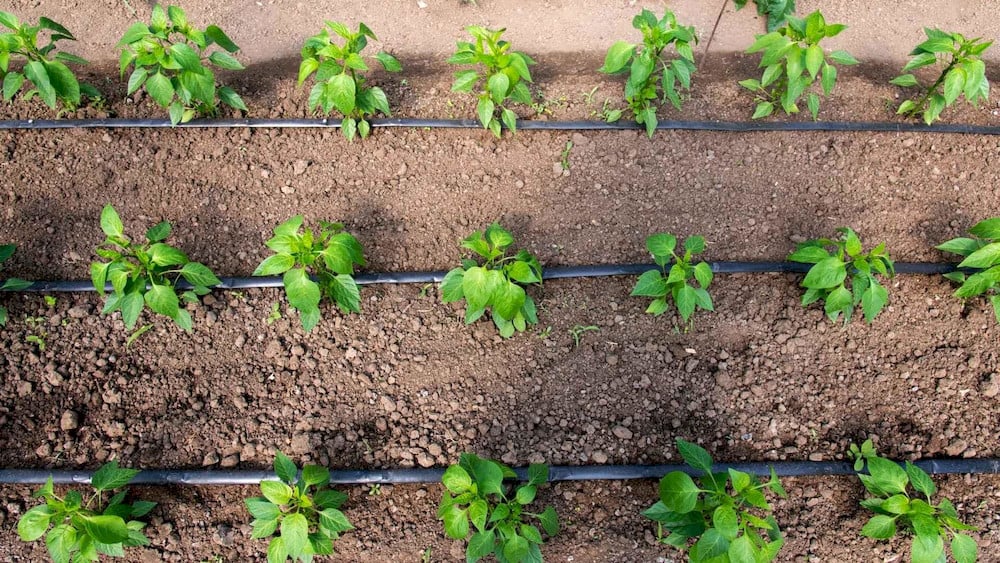
Drip fertigation, the practice of injecting fully dissolved fertilizers directly into irrigation water, is widely applied in medium-to-large commercial farms, greenhouses, and high-value crop production. It is exceptionally effective for high-value horticultural crops, such as tomatoes, watermelons, potatoes, and peppers, as well as commercial field and orchard crops, including cotton, maize, citrus, and fruit trees.
Growth Stage Flexibility
Unlike traditional soil broadcasting, fertigation allows growers to supply nutrients continuously across all plant growth stages, from initial seedling establishment and vegetative leaf growth to flowering and fruit bulking. Nutrient ratios can be adjusted dynamically as crop demands change over the season.
Advantages
- Reduced Nutrient Losses: Delivering nutrients directly to the active root zone (spoon-feeding) minimizes nitrogen losses caused by surface volatilization and deep groundwater leaching.
- Environmental Protection: Precise dosing prevents excess fertilizer runoff, safeguarding underground water aquifers from nitrate contamination.
- Weather Resiliency: Rain or shine, fertigation ensures roots receive immediate, available nutrition even when erratic weather hinders traditional soil absorption.
- Preventing Salt Stress and Root Burn: Supplying dissolved nutrients at controlled concentrations avoids the localized high-salt concentrations caused by dry granular fertilizer piles, protecting delicate feeder roots.
Dosing and Solution Concentration
- Flexible Dosing Methods: Growers can adjust fertilizer applications using two primary methods:
- Quantitative Dosing: Delivering a specific mass of nutrients based on daily crop demand, measured in milligrams of N, P, or K per plant per day.
- Proportional Dosing: Maintaining a constant nutrient concentration ratio within the irrigation stream throughout the irrigation cycle.
- pH Control (Target Range: 5.5 – 6.5): Maintaining solution pH within 5.5 to 6.5 keeps essential macro- and micronutrients chemically soluble and available to roots while preventing nutrient lockout.
- EC (Electrical Conductivity) Management: EC measures total dissolved fertilizer salt concentration. Monitoring EC prevents salt stress during hot weather or seedling stages while ensuring sufficient fertility during heavy fruiting.
Step-by-Step Fertilizer Solution Preparation
- Analyze Water Quality: Test irrigation water for bicarbonates, calcium, magnesium, and overall salinity before mixing. High alkalinity or hard water directly impacts solution stability and pH.
- Dissolve Fertilizers Thoroughly: Mix solid water-soluble NPK fertilizers in concentrated stock tanks until fully dissolved.
Practical Note on Endothermic Cooling: Dissolving certain solid fertilizers, such as potassium nitrate (KNO₃), calcium nitrate (Ca(NO₃)₂), urea, or potassium chloride (KCl), causes an endothermic reaction that absorbs heat and rapidly lowers water temperature. Cold water slows dissolution, so thorough stirring or slightly warmer water is recommended.
- Conduct a Compatibility Jar Test: To avoid unexpected clogging, mix 50 mL of concentrated stock solution with 1 liter of local irrigation water. Let it sit for 1 to 2 hours. If the solution turns cloudy or forms precipitates, do not use the mixture in the system.
- Adjust pH/EC: Fine-tune the final solution pH to the 5.5–6.5 range before injection.
| Critical Tank Rule: Never mix calcium-containing fertilizers with phosphate- or sulfate-containing fertilizers in the same concentrated stock tank unless the solution is strongly acidified. Mixing them causes calcium phosphate or calcium sulfate precipitates that can clog drip emitters. |
Fertigation Procedure
To ensure uniform nutrient distribution and protect drip lines, fertigation should follow a structured three-phase sequence
- Phase 1: Pre-Irrigation Clean Water Flush (Initial ~25% of time): Run clean water first to pressurize the system, check for leaks, and thoroughly wet the soil root zone.
- Phase 2: Nutrient Injection & Filtration (Middle ~50% of time): Inject the prepared stock solution into the irrigation system using dedicated injection equipment, such as Venturi injectors, differential pressure tanks, or positive pressure dosing pumps. Always pass the solution through disc or sand filtration systems to remove any remaining fine particles before reaching drip emitters.
- Phase 3: Post-Fertigation Clean Water Purge (Final ~25% of time): Run clean water after injection stops to completely flush remaining fertilizer residues out of lines and emitters, pushing dissolved nutrients into the active root zone.
Notes on Timing & Frequency
- The “Little and Often” Rule: Apply smaller, frequent fertilizer doses during regular irrigations rather than heavy, infrequent applications to maintain stable root-zone fertility.
- Managing Hot Weather & Nitrogen Form: During hot weather, prioritize nitrate nitrogen (NO₃⁻) over ammonium nitrogen (NH₄⁺). High temperatures increase root respiration and can cause ammonium to accumulate in roots, leading to root damage or plant death.
- Periodic System Maintenance: Regularly flush lateral drip lines and periodically treat lines with mild acid, such as phosphoric acid, to dissolve mineral scaling and prevent salt accumulation.
2. Foliar spraying
Target Crops and Operational Scale
Foliar spraying is highly adaptable across all farming scales, from smallholder plots to large commercial agricultural enterprises. It is widely used across various crop categories, including staple cereal grains such as finger millet and wheat, grain legumes such as black gram and green gram, leafy and fruiting vegetables, and fruit orchards.

Growth Stage Flexibility
Foliar feeding is most effective when targeted during periods of rapid vegetative expansion or key physiological development milestones. For example, in cereal crop management, applying foliar sprays at critical growth intervals, such as 20 and 40 days after transplanting (DAT), supplies immediate nutrition during peak dry matter accumulation and reproductive tissue formation.
Advantages
- Rapid Correction of Acute Deficiencies: Because nutrients enter leaf tissues directly, foliar applications can address acute mineral deficiencies significantly faster than root uptake from soil amendments.
- High Efficiency in Problem Soils: In sandy loam soils or conditions where root absorption is severely restricted by soil factors, foliar-applied nutrients can be 6 to 20 times more effective than traditional soil broadcasting.
- Bypassing Soil Fixation and Leaching: Direct canopy spraying bypasses soil conditions, such as undesirable pH levels or high chemical fixation, that can cause nutrient immobilization or leaching.
- Synergy with Bio-stimulants: Combining fully water-soluble NPK formulations, such as 19-19-19 grade, with organic additives like 0.1% humic acid can enhance nutrient absorption efficiency, dry matter production, and overall crop yield.
Dosing and Solution Concentration
- Regulated Dilution for Leaf Safety: Because foliar solutions come into direct contact with delicate leaf surfaces, spray concentrations must be carefully regulated, typically between 0.5% and 2.0% depending on crop maturity, to prevent leaf scorch.
- Pure Crystalline Formulations: High-purity, fully water-soluble crystalline powders, such as NPK 19-19-19, provide a balanced supply of primary macronutrients without leaving undissolved residues.
Step-by-Step Fertilizer Solution Preparation
- Accurate Dosing: Weigh the required quantity of water-soluble NPK powder based on the target spray volume and recommended dilution percentage.
- Complete Dissolution: Add clean water to the spray tank and stir thoroughly until the crystalline powder is completely dissolved into a homogeneous solution. Ensure no solid crystals or sediment remain to prevent spray nozzle clogging.
Foliar Application Procedure
- Equipment Inspection: Equip mist blowers, backpack sprayers, or boom sprayers with clean, fine-misting nozzles to achieve uniform atomization.
- Uniform Canopy Coverage: Spray the diluted fertilizer solution evenly across the canopy as a fine droplet mist.
- Dual-Surface Coverage: Direct the mist to thoroughly cover both the upper and lower leaf surfaces to maximize nutrient uptake.
Notes on Timing & Frequency
- Strategic Growth Window Application: Schedule foliar feeding during major growth stages, such as early vegetative expansion, pre-flowering, and early grain or fruit filling.
- Cooler Hours for Application: Apply sprays during early morning or late afternoon/evening, when temperatures are cooler and humidity is higher.
- Avoid High Heat and Direct Sun: Never apply foliar sprays during peak midday heat or intense sunlight. Rapid water evaporation can concentrate fertilizer salts on leaf surfaces, increasing the risk of severe foliage burn.
3. Hydroponics / Soilless culture
Target Crops and Operational Scale
Hydroponic and soilless culture systems are primary production methods in high-tech controlled-environment agriculture (CEA), commercial greenhouses, indoor vertical farms, and urban crop cultivation. These techniques apply to both liquid-based systems (such as Nutrient Film Technique/NFT and recirculating deep water culture) and solid substrate media (such as coconut coir, perlite, rockwool, pumice, or foam blocks).
High-value crops including leafy greens (lettuce, spinach, Asian greens), fruiting vegetables (tomatoes, cucumbers, sweet peppers), strawberries, and commercial floriculture thrive under these system setups.
Growth Stage Flexibility
Because inert soilless substrates provide no natural mineral reserves, plants rely entirely on the liquid fertigation stream throughout their complete growth cycle. Water-soluble NPK formulations allow growers to make precise, continuous nutrient adjustments—shifting seamlessly from high-phosphorus formulas during early rooting to higher potassium ratios during flowering and fruit ripening.
Advantages
- Complete Root-Zone Control: Growing without soil eliminates soil-borne pathogens, soil compaction, and unpredictable chemical interactions that lock up nutrients.
- Maximum Water and Nutrient Efficiency: Closed recirculating systems capture, filter, and reuse runoff solution, dramatically reducing water and fertilizer waste compared to open-field farming.
- Immediate Plant Response: Fully dissolved mineral ions delivered directly to roots are absorbed instantly, accelerating crop development cycles and increasing yield per square meter.
Dosing and Solution Concentration
- Complete Essential Nutrition: Hydroponic solutions must supply a comprehensive range of primary macronutrients (NPK), secondary nutrients (Calcium, Magnesium, Sulfur), and fully chelated micronutrients (Iron, Manganese, Zinc, Copper, Boron, Molybdenum) to prevent nutritional imbalances.
- Strict pH Control (Target Range: 5.5 – 6.5): Solution pH directly dictates nutrient solubility. Maintaining a strict pH range between 5.5 and 6.5 keeps all mineral elements chemically available and prevents nutrient lockout.
- EC (Electrical Conductivity) Regulation: Monitor EC continuously to match the salt tolerance of specific crops and growth stages—higher EC during heavy fruiting and lower EC during seedling establishment or hot weather.
Step-by-Step Fertilizer Solution Preparation
- Analyze Source Water Baseline: Test raw irrigation water for baseline electrical conductivity, hardness, sodium, chloride, and bicarbonate levels before calculating fertilizer formulas.
- Prepare Two Separate Stock Concentrates (A/B Tank System):
- Tank A: Dissolve Calcium sources (e. g., Calcium Nitrate) along with Ammonium Nitrate and chelated Iron.
- Tank B: Dissolve Phosphate sources (e. g., Monopotassium Phosphate), Sulfate sources (e. g., Magnesium Sulfate, Potassium Sulfate), and remaining micronutrients.
- Critical Tank Rule: Keeping Calcium separated from Phosphates and Sulfates in concentrated stock tanks prevents insoluble calcium phosphate and calcium sulfate precipitates.
- Inject into Main Reservoir & Fine-Tune: Drench or meter stock concentrates into the main water reservoir. Stir thoroughly, verify EC, and adjust final pH to 5.5–6.5 using diluted nitric or phosphoric acid.
Hydroponic Application Procedure
- Substrate Pre-Conditioning & Sanitization: Pre-flush substrate materials (such as rockwool or coconut coir) with a mild, acidified nutrient solution (pH 5.5) to neutralize residual media alkalinity and establish baseline moisture.
- Continuous or Pulse Delivery: Deliver the nutrient solution continuously via flowing channels (NFT) or through automated drip emitters applied multiple times per day directly to the root zone of substrate plants.
- Drainage Recirculation & Filtration: In closed-loop systems, capture drainage runoff, pass it through disc or sand filtration and sterilization units, re-balance pH and EC levels, and recirculate the solution back to crops.
Notes on Timing & Frequency
- Daily Dual Monitoring (Inflow and Drainage): Test pH and EC levels daily for both incoming nutrient solution and drainage runoff. A sharp rise in drainage EC indicates salt accumulation in the root zone, signaling the need for a brief clean-water flush.
- Periodic Reservoir Replacement: In recirculating systems, completely drain and replace the nutrient reservoir solution every 7 to 14 days to flush out unabsorbed sodium or chloride salts and maintain exact nutrient ratios.
- Managing Root-Zone Temperature and Nitrogen Form: During hot weather, high root-zone temperatures increase root respiration and consume more plant sugars. Because ammonium nitrogen (NH₄⁺) requires energy to process in the roots, heat stress can cause ammonium to accumulate and damage roots. Prioritize nitrate nitrogen (NO₃⁻) over ammonium nitrogen (NH₄⁺) during warm conditions to reduce this risk.
4. Manual drenching
Target Crops and Operational Scale
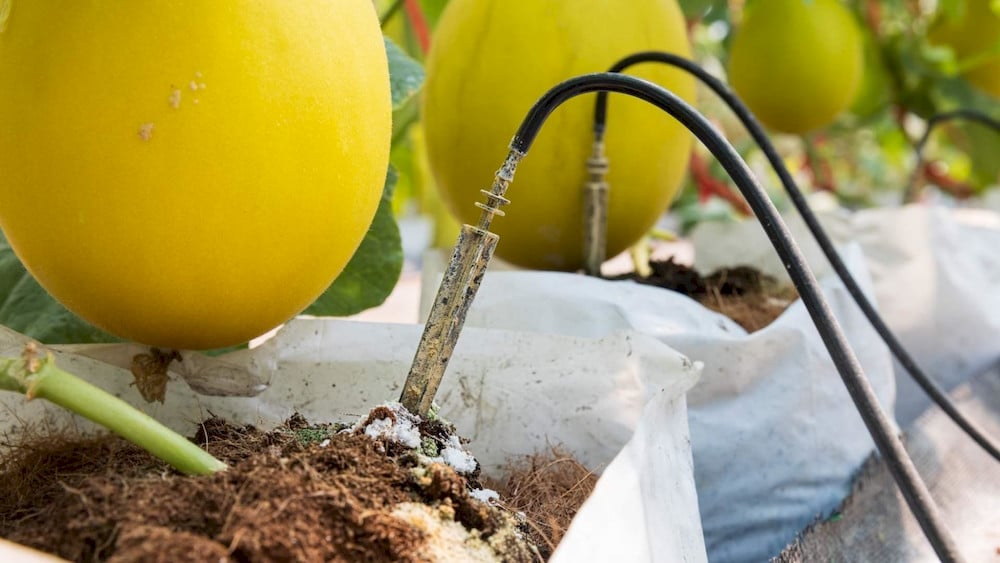
Manual drenching, applying a dissolved fertilizer solution directly to individual plant root zones, is well-suited for small-scale farming, experimental research plots, seedling nurseries operating with pots or container bags, smallholder farms, and fields where automated drip irrigation infrastructure is not yet installed. It is commonly applied to high-value row crops (such as watermelons, tomatoes, and cucumbers) and fruit tree saplings.

Growth Stage Flexibility
Manual drenching is typically applied at specific, critical growth stages rather than through daily continuous applications. For instance, in watermelon production, manual drenching is targeted at key developmental milestones: early seedling establishment (2 days after transplanting / DAT), vegetative growth expansion (10 DAT), pre-flowering (30 DAT), and fruit development (45 DAT).
Advantages
- Targeted Root-Zone Delivery: Applying dissolved nutrients directly around individual root bases ensures maximum fertilizer uptake while avoiding nutrient waste on unplanted inter-row soil spaces.
- Low Initial Capital Investment: Smallholders can achieve the precision and quick availability of liquid fertigation without investing in expensive pumps, chemical injectors, or drip tubing networks.
- Accurate Per-Plant Dosing: Allows exact volumetric nutrient allocation per crop, eliminating the uneven fertilizer distribution often caused by dry granular hand-broadcasting.
Dosing and Solution Concentration
- Fixed Volumetric Dosing: Solution volume and nutrient concentration are pre-calculated on a per-plant basis (for example, applying a calibrated dose of 100 mL of dissolved fertilizer solution per seedling).
- Safe Salt Concentrations: Fertilizer concentrations must be kept within safe limits to maintain appropriate osmotic pressure around tender feeder roots, ensuring fast absorption without risking root tip scorch.
Step-by-Step Fertilizer Solution Preparation
- Calculate Required Fertilizer Mass: Determine the exact mass of water-soluble NPK powder or highly soluble straight fertilizers (such as Urea, DAP, or MOP) based on the total number of plants and target dosage per root zone.
- Accurate Weighing & Complete Dissolution: Weigh the calculated fertilizer mass accurately. Add it to a clean water container or mixing drum and stir thoroughly until all solid crystals are completely dissolved into a homogenous liquid solution with no settled residue at the bottom.
Manual Drenching Procedure
- Calibrate Drenching Tools: Use a calibrated measuring cup, scoop, or drenching applicator wand attached to a backpack tank to ensure consistent liquid volume (e. g., 100 mL) per plant.
- Apply Directly to Root Base: Pour the measured solution in a uniform ring around the root zone of each plant, avoiding direct splashing onto delicate stems or foliage.
- Ensure Balanced Soil Moisture: If the soil surface is dry, pre-moisten the root area with clean water before drenching or apply a light clean-water irrigation afterward to help dissolved nutrients disperse evenly throughout the active root zone.
Notes on Timing & Frequency
- Align with Key Developmental Stages: Apply drench solutions strictly according to targeted growth stage milestones (e. g., at 2, 10, 30, and 45 DAT for watermelon crops) to support smooth transitions between vegetative and reproductive phases.
- Avoid Severe Drought Conditions: Never apply drench solutions to bone-dry soil. Pouring concentrated liquid fertilizer onto moisture-stressed roots causes osmotic shock and severe root damage.
- Avoid Peak Mid-Day Heat: Apply drench solutions during early morning or late afternoon/evening. Applying during peak mid-day heat accelerates surface evaporation, concentrates fertilizer salts at the soil surface, and increases heat stress on plants.
5. Important Notes When Using NPK Water Soluble Fertilizer
To maximize crop yields and protect your irrigation infrastructure, growers should follow these essential practical guidelines when applying water-soluble NPK fertilizers:
- Select high-purity formulas with a low salt index: Choose 100% water-soluble fertilizers that dissolve completely without leaving solid residues to protect drip emitters from clogging and feeder roots from osmotic salt burn.
- Conduct regular soil and leaf tissue testing: Avoid applying a single fixed NPK formula throughout the entire season; routinely analyze soil solution and leaf tissues to detect nutrient imbalances early and fine-tune NPK ratios to actual crop demand.
- Choose the right nitrogen form based on temperature and soil conditions:
- High Soil and Ambient Temperatures: Prioritize nitrate nitrogen (NO₃⁻) over ammonium nitrogen (NH₄⁺). High temperatures accelerate root respiration and deplete root sugar reserves. Under heat stress, roots may lack sufficient sugars to metabolize ammonium, causing toxic free ammonia to accumulate and damage or kill root cells.
- Acidic Soils (Low pH): Use nitrate nitrogen (NO₃⁻), which promotes the release of hydroxyl (OH⁻) or bicarbonate (HCO₃⁻) ions into the rhizosphere. This raises root-zone pH, reduces active aluminum (Al³⁺) toxicity, and promotes healthy root elongation.
- Fruit Development Stage: Avoid excessive ammonium nitrogen (NH₄⁺) during fruit expansion because ammonium competes with calcium (Ca²⁺) cations and reduces root pressure, potentially triggering blossom-end rot in crops such as tomatoes and sweet peppers.
- Maintain proper warehouse storage: Store water-soluble NPK packages on elevated pallets in a clean, dry, well-ventilated facility away from rain and direct sunlight to prevent moisture absorption, caking, and chemical degradation.
NPK water soluble fertilizer gives growers greater control over how nutrients are delivered to crops, but its effectiveness depends on proper preparation, application, and monitoring. Paying attention to water quality, nutrient concentration, pH, EC, nitrogen form, and application conditions helps plants receive the nutrients they need while reducing the risk of nutrient imbalance, root damage, and fertilizer loss.


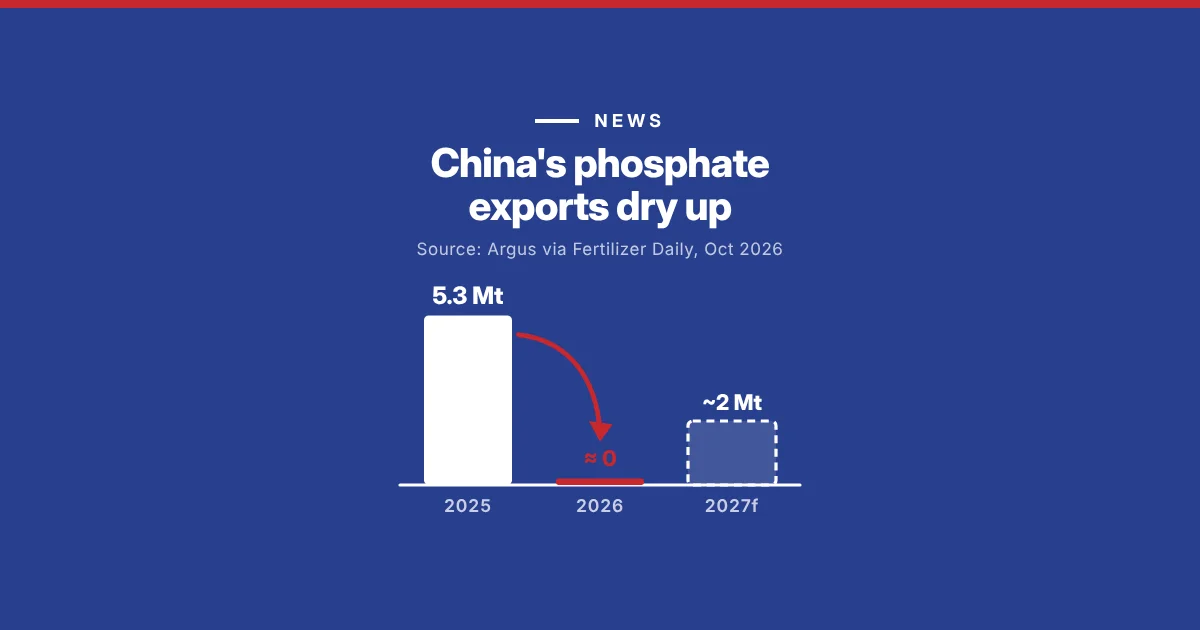
China, which exported about 5.3 million tonnes of phosphate fertilizer in 2025, has shipped almost none in 2026. With sulfur scarce and phosphate prices high, import-dependent markets face a tight season, and every kilo of phosphorus needs to work harder. At Van Polder, we believe a tight phosphate market is a reason to look again […]

If you are starting a banana farm, Panama disease (Fusarium wilt of banana) is the risk to plan for. How to prevent Panama disease in bananas comes down to keeping the fungus out, because no fertilizer prevents or cures it and once it is in the soil it stays for decades (Pegg et al., 2019; […]
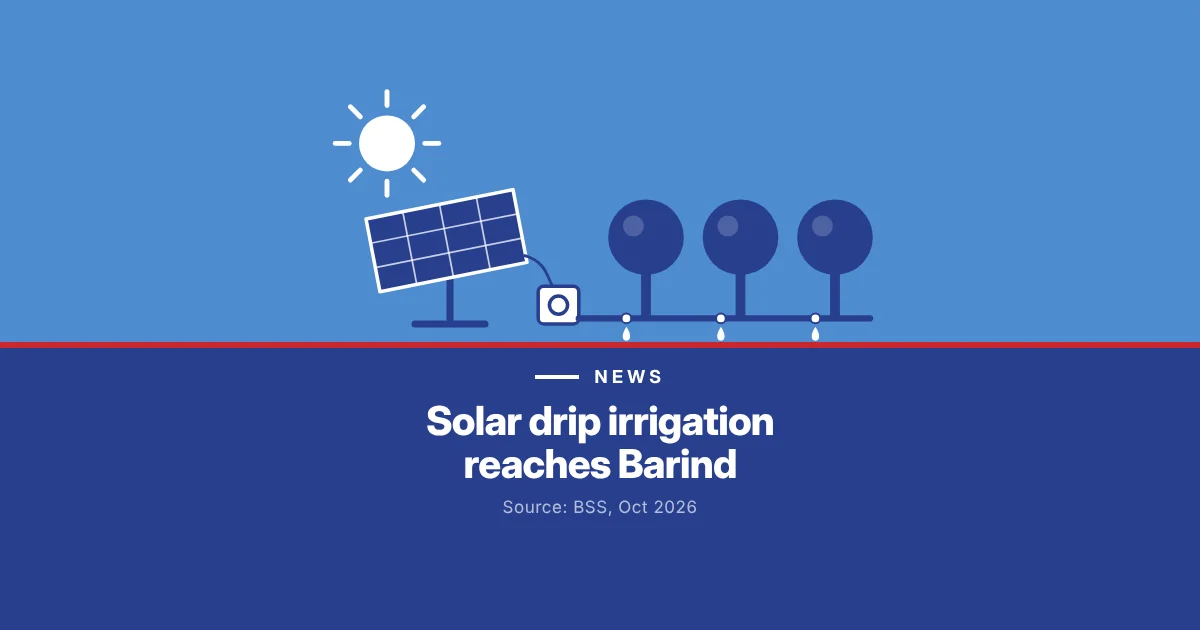
A government project in Bangladesh’s Rajshahi Division has brought solar-powered pumps, including solar drip systems for orchards, to drought-prone land where groundwater has been falling for decades. The Prime Minister wants all diesel irrigation pumps converted to solar within five years. For growers who move to drip, the next step is to feed the crop […]

Calcium deficiency in banana shows first on the youngest leaves, as thickened veins and a saw-tooth pattern of yellow and dead tissue along the leaf margin, and in severe cases as “spike leaf”, new leaves with little or no blade, and poor-quality fruit (Turner, 1987; Martin-Prével, 1980). On most plantation soils it is not a […]
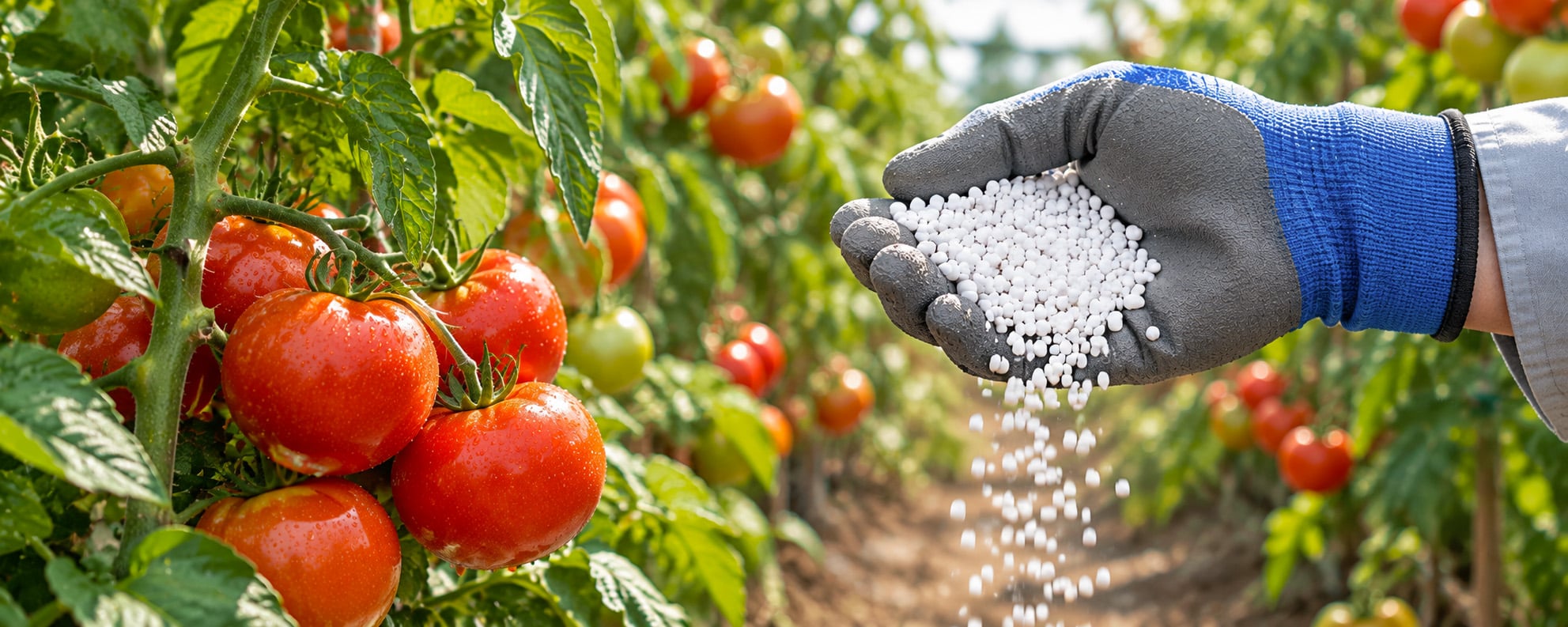
A calcium fertilizer supplies the calcium that holds plant cell walls and membranes together, but whether it reaches the fruit depends as much on water flow as on the fertilizer you choose. Calcium travels with water to the leaves and barely moves out of them again, so fruit and young leaves can run short even […]

An unusually wet winter brought coffee flowering in Minas Gerais forward by about a month, in several separate waves. With October forecast to be hotter than normal and rain patchy, the question for 2027 is now how many of those flowers turn into fruit. At Van Polder, we believe a strong flowering is only the […]