



NPK 20-20-20+TE Meaning: What Does “TE” Stand For in Fertilizer?
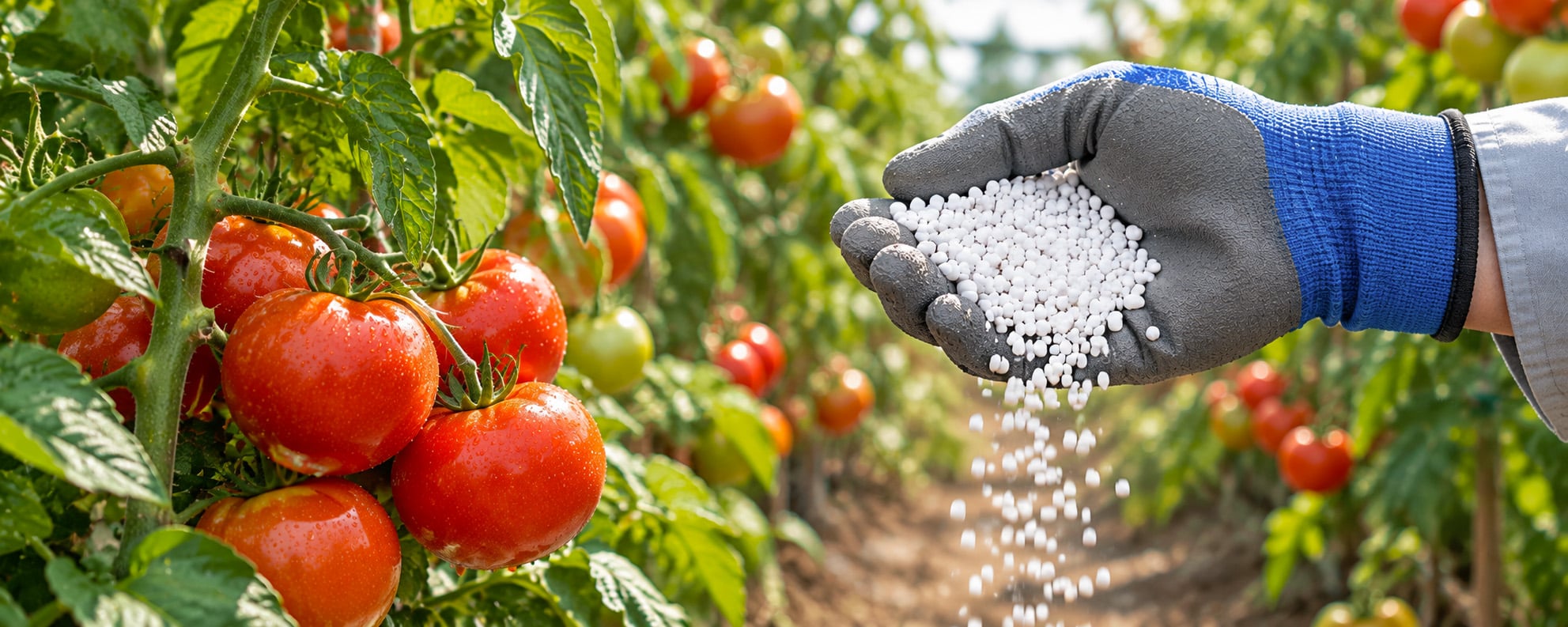
NPK 20-20-20+TE is a balanced, water-soluble fertilizer containing 20% Nitrogen (N), 20% Phosphate (P₂O₅), 20% Potash (K₂O), plus essential Trace Elements (TE). It supports general plant nutrition and healthy crop growth across vegetables, fruit trees, cash crops, and ornamentals. In this guide, let’s break down what NPK 20-20-20+TE means, what “TE” stands for, and how […]
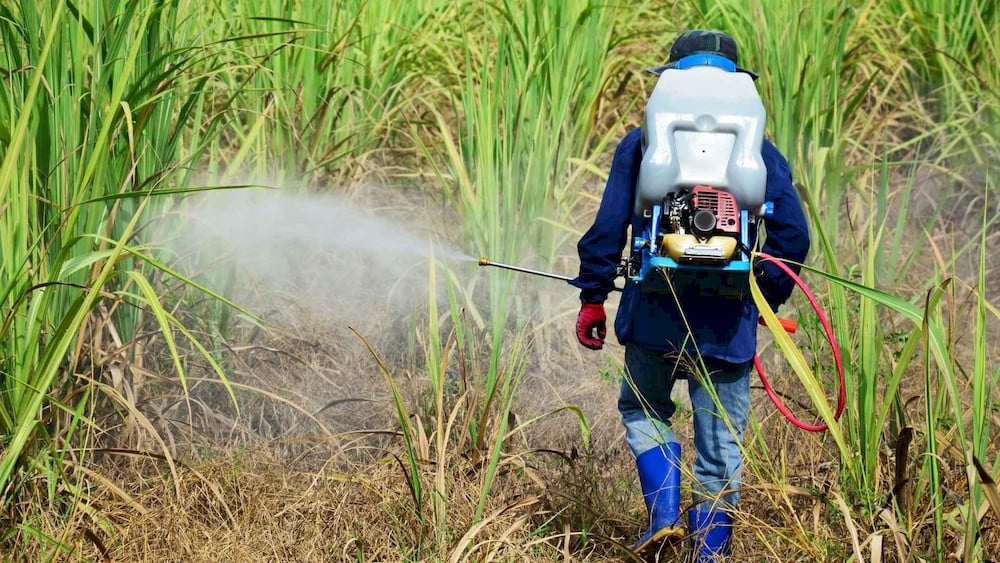

NPK 20-20-20+TE is a balanced, water-soluble fertilizer containing 20% Nitrogen (N), 20% Phosphate (P₂O₅), 20% Potash (K₂O), plus essential Trace Elements (TE). It supports general plant nutrition and healthy crop growth across vegetables, fruit trees, cash crops, and ornamentals. In this guide, let’s break down what NPK 20-20-20+TE means, what “TE” stands for, and how each nutrient supports plant growth.
1. What Does NPK 20-20-20+TE Mean?
The 20-20-20+TE formula provides three primary macronutrients along with essential micronutrients. Each nutrient has a distinct role in plant growth, from supporting vegetative development and energy transfer to regulating water movement and key biochemical processes.
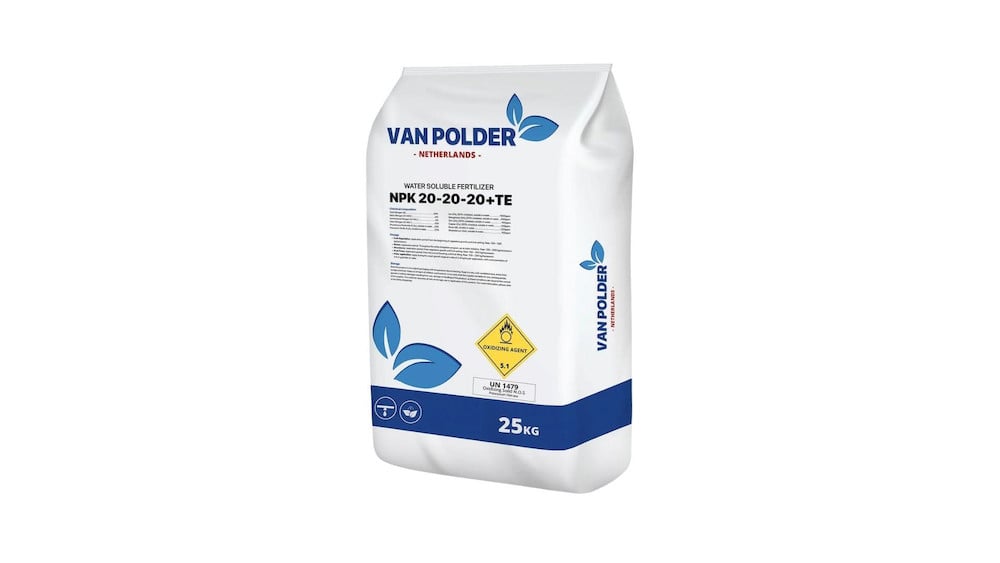
1.1. Nitrogen (N — 20%)
Nitrogen is the primary engine behind green vegetative growth. It serves as a vital building block for plant proteins, amino acids, and chlorophyll, the green pigment that allows leaves to capture sunlight and photosynthesize.
- Primary Function: Promotes healthy stems, branches, and dense leaf canopy.
- Deficiency Sign: When nitrogen is lacking, plants turn pale green or yellow starting on older leaves, and growth becomes stunted.
1.2. Phosphorus (P — 20%, expressed as P₂O₅)
Phosphorus plays a central role in energy transfer inside plant cells through a molecule called ATP. On fertilizer labels, phosphorus is expressed as available phosphate (P₂O₅).
- Primary Function: Stimulates root establishment, root branching, early flowering, seed development, and uniform fruit set.
- Deficiency Sign: Lack of phosphorus can lead to weak root structures, delayed flowering, and purplish discoloration on foliage.
1.3. Potassium (K — 20%, expressed as K₂O)
Potassium regulates water movement inside the plant by opening and closing leaf stomata. On fertilizer guaranteed analysis panels, it is listed as soluble potash (K₂O).
- Primary Function: Helps move sugars and starches from leaves to developing fruits, enhancing crop size, sweetness, color, and post-harvest quality. It also thickens cell walls, building natural resistance against environmental stress such as drought, cold temperatures, and disease pathogens.
- Deficiency Sign: Potassium deficiency usually shows up as dry, scorched, or yellow leaf margins on older foliage.
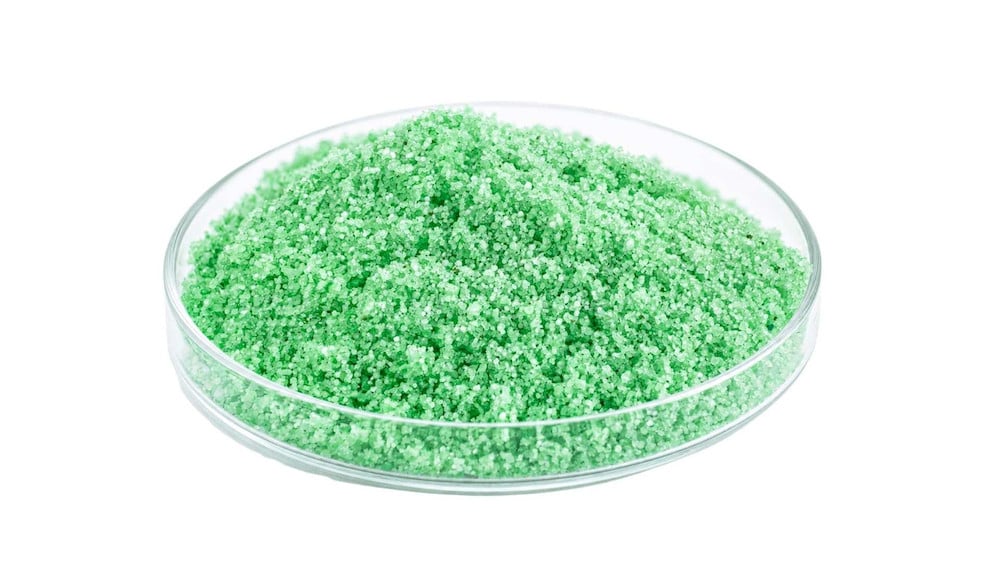
1.4. TE (Trace Elements — Micronutrients)
“TE” stands for Trace Elements, also known as micronutrients. Although required in much smaller quantities than N, P, or K, trace elements are essential for plant survival and biochemical reactions.
- Key Elements Included: Common trace elements in fertilizer formulations include Iron (Fe), Zinc (Zn), Copper (Cu), Manganese (Mn), Boron (B), and Molybdenum (Mo).
- Primary Function: They activate plant enzymes, support chlorophyll formation, assist in cell division, and ensure proper flower bud development.
- Why They Matter: Supplying trace elements helps prevent common nutritional disorders, such as interveinal chlorosis (yellowing between green leaf veins) and bud drop.
- The Role of Chelates: In high-quality water-soluble fertilizers, trace elements are often chelated (such as EDTA chelates). Chelation protects the micronutrient metal ions from locking up in the soil, keeping them readily available for root absorption and foliar uptake across a wider pH range.
2. Key Benefits and How to Use NPK 20-20-20+TE
NPK 20-20-20+TE is a highly versatile fertilizer formulation widely used across global agriculture. Its key benefits and application options include:
2.1. Key Benefits
The main benefits of NPK 20-20-20+TE come from its balanced nutrient profile, high solubility, and flexible application options.
- Balanced Crop Nutrition: The equal 1:1:1 ratio of Nitrogen, Phosphorus, and Potassium ensures uniform development across different growth phases. It is ideal for vegetative growth, post-harvest orchard recovery, early fruit setting, and revitalizing stressed crops.
- 100% Water Solubility & Rapid Uptake: Formulated as a high-purity crystalline powder, it dissolves completely in water without leaving gritty residues. This allows plants to absorb nutrients rapidly through both leaves and roots.
- Complete Micronutrient Protection: The inclusion of essential trace elements (TE) prevents common deficiency disorders, such as leaf yellowing (chlorosis) or bud drop, and supports overall metabolic health.
- Versatile Application Methods: High solubility and purity allow farmers to use it flexibly via foliar spraying, drip fertigation, or direct root drenching without clogging irrigation equipment.
2.2. Application Methods
Application rates and methods should be adjusted according to the crop, growth stage, and production system.
Foliar Application
Foliar feeding is used when nutrients need to be delivered directly through leaf tissues for fast absorption.
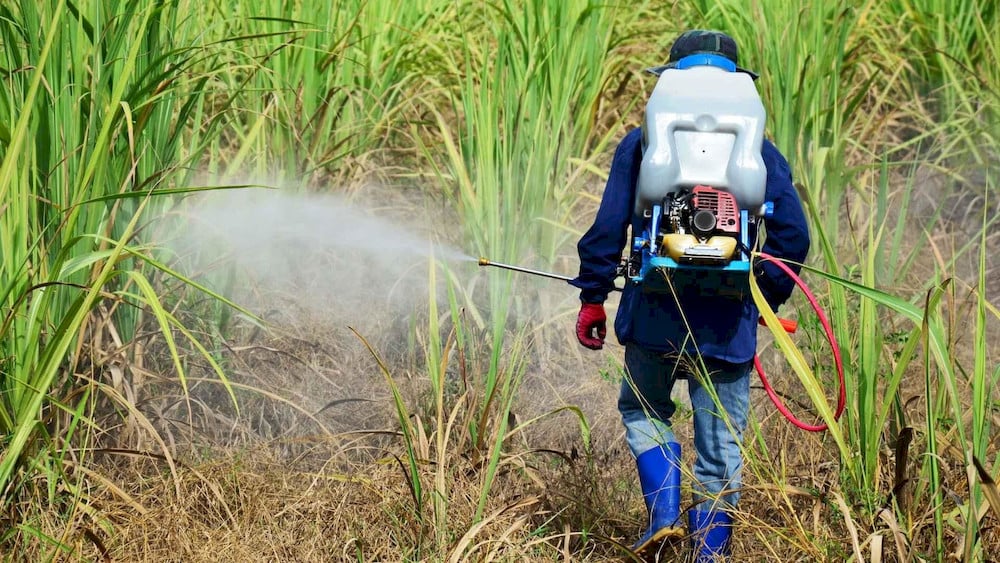
- Small-Scale / Knapsack Sprayers: Dissolve 4 tablespoons of NPK 20-20-20+TE per 16-liter water tank (backpack or handheld sprayer).
- Commercial Field Rates: Apply 3 to 10 kg/ha per application at a solution concentration between 0.3% and 1.0% (w/v).
- Target Crops: Suitable for fruit vegetables, strawberries, citrus, bananas, olives, and broadacre crops. Repeat every 10 to 14 days during active growth.
Fertigation & Root Zone Application
Root-zone application supplies soluble nutrients directly to the active root zone through irrigation systems.
- Seasonal Rates: Recommended seasonal dosage ranges from 100 to 300 kg/ha per season, depending on crop demand and soil fertility.
- Crop Specifics:
- Potatoes & Fruit Trees: 100 to 200 kg/ha/season applied during vegetative establishment and early tuber/fruit development.
- Fruit Vegetables, Berries & Citrus: 150 to 300 kg/ha/season split throughout active growth and early harvest stages.
Tank Mixing Precautions & Solution pH
Proper mixing and pH management help maintain nutrient availability and prevent compatibility problems.
- Do NOT Mix with Calcium Fertilizers: Never mix NPK 20-20-20+TE in the same tank with calcium-containing fertilizers (such as Calcium Nitrate). Soluble phosphates and sulfates in NPK react with calcium to form insoluble precipitates (calcium phosphate and gypsum), which clog drip emitters and lock up nutrients. Always use separate stock tanks or apply them at different times.
- Maintain Tank Solution pH Above 4: Keep the spray solution or stock tank pH above 4. Overly acidic solutions can break down chelated trace elements (such as EDTA chelates), causing micronutrients to settle out and potentially burning sensitive leaf foliage.
A fertilizer label can tell you what is in the bag, but it does not tell you exactly what your crop needs. That decision depends on the crop, growth stage, growing conditions, and how the fertilizer is applied. By understanding the meaning behind NPK 20-20-20+TE, growers can move beyond simply following a label and make more informed decisions about crop nutrition.


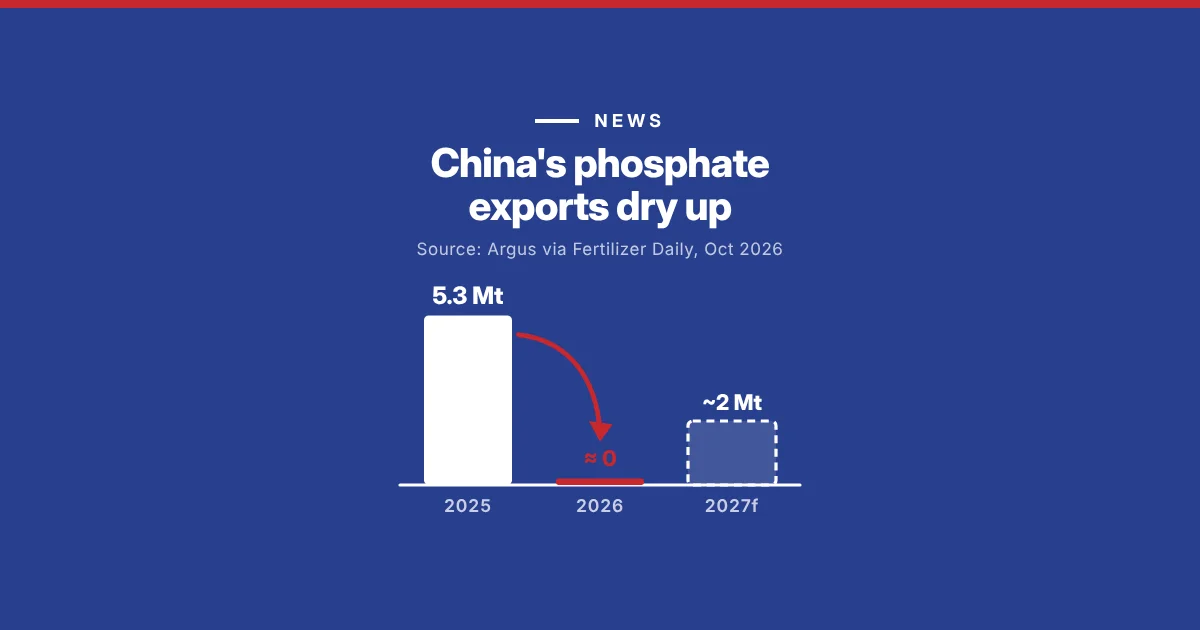
China, which exported about 5.3 million tonnes of phosphate fertilizer in 2025, has shipped almost none in 2026. With sulfur scarce and phosphate prices high, import-dependent markets face a tight season, and every kilo of phosphorus needs to work harder. At Van Polder, we believe a tight phosphate market is a reason to look again […]
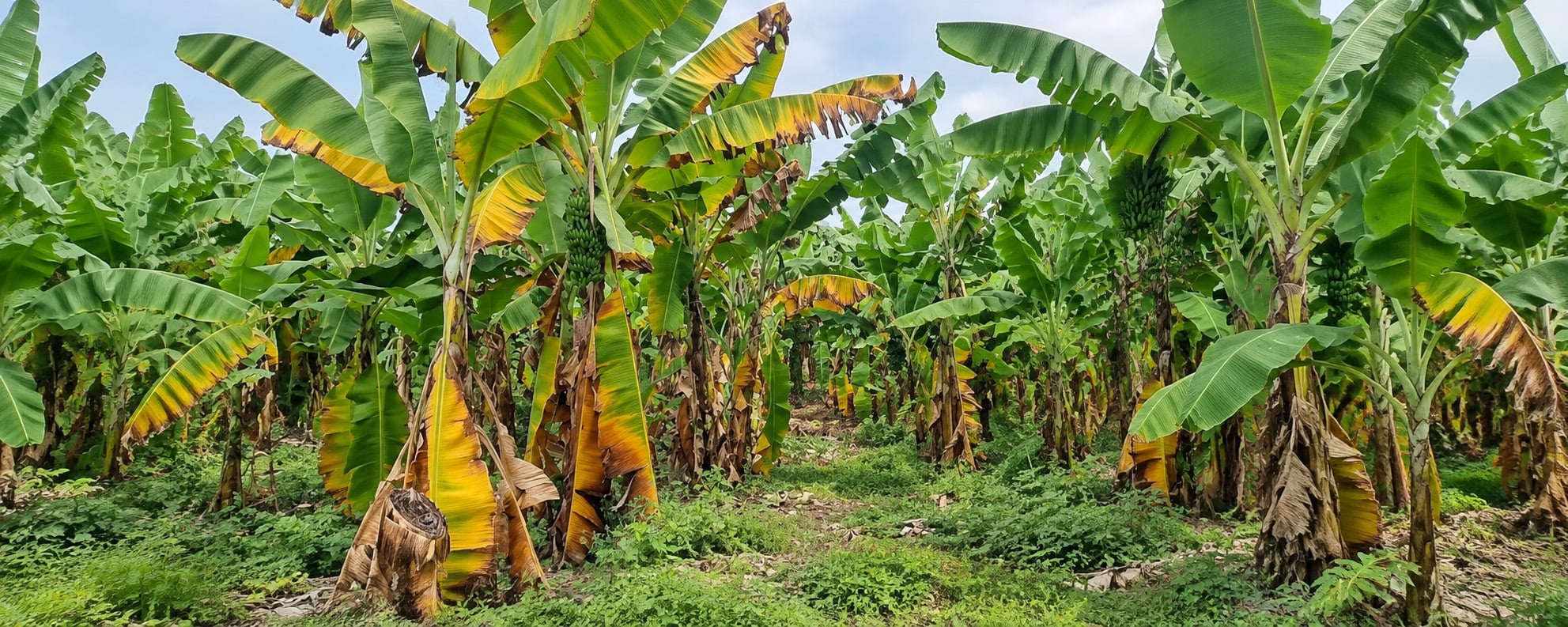
If you are starting a banana farm, Panama disease (Fusarium wilt of banana) is the risk to plan for. How to prevent Panama disease in bananas comes down to keeping the fungus out, because no fertilizer prevents or cures it and once it is in the soil it stays for decades (Pegg et al., 2019; […]
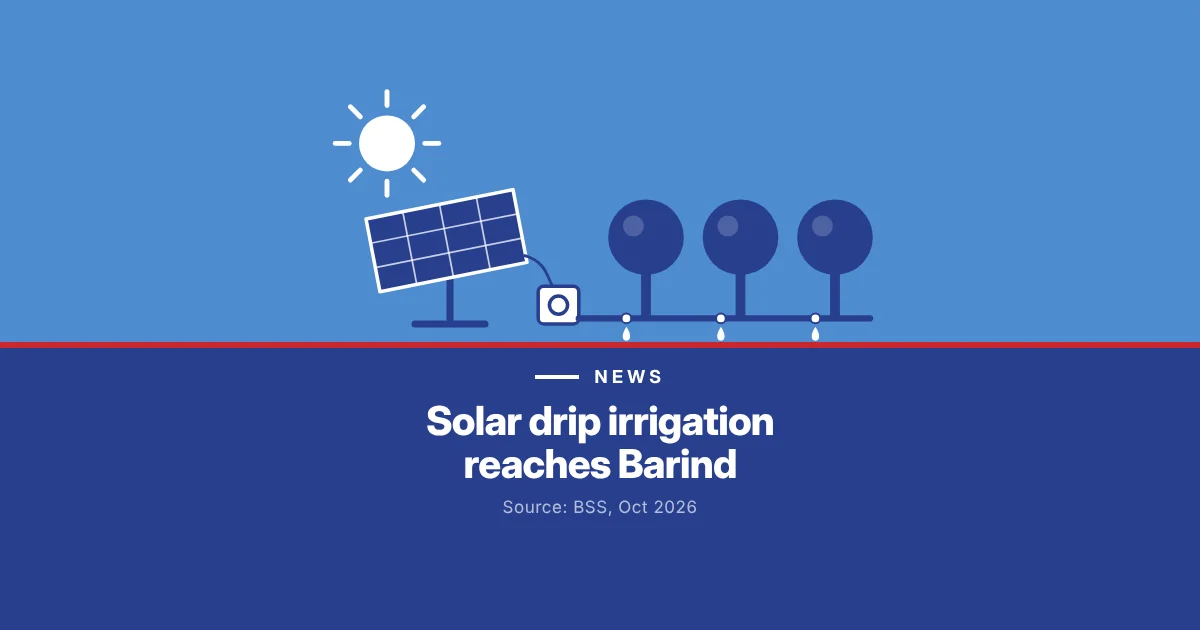
A government project in Bangladesh’s Rajshahi Division has brought solar-powered pumps, including solar drip systems for orchards, to drought-prone land where groundwater has been falling for decades. The Prime Minister wants all diesel irrigation pumps converted to solar within five years. For growers who move to drip, the next step is to feed the crop […]
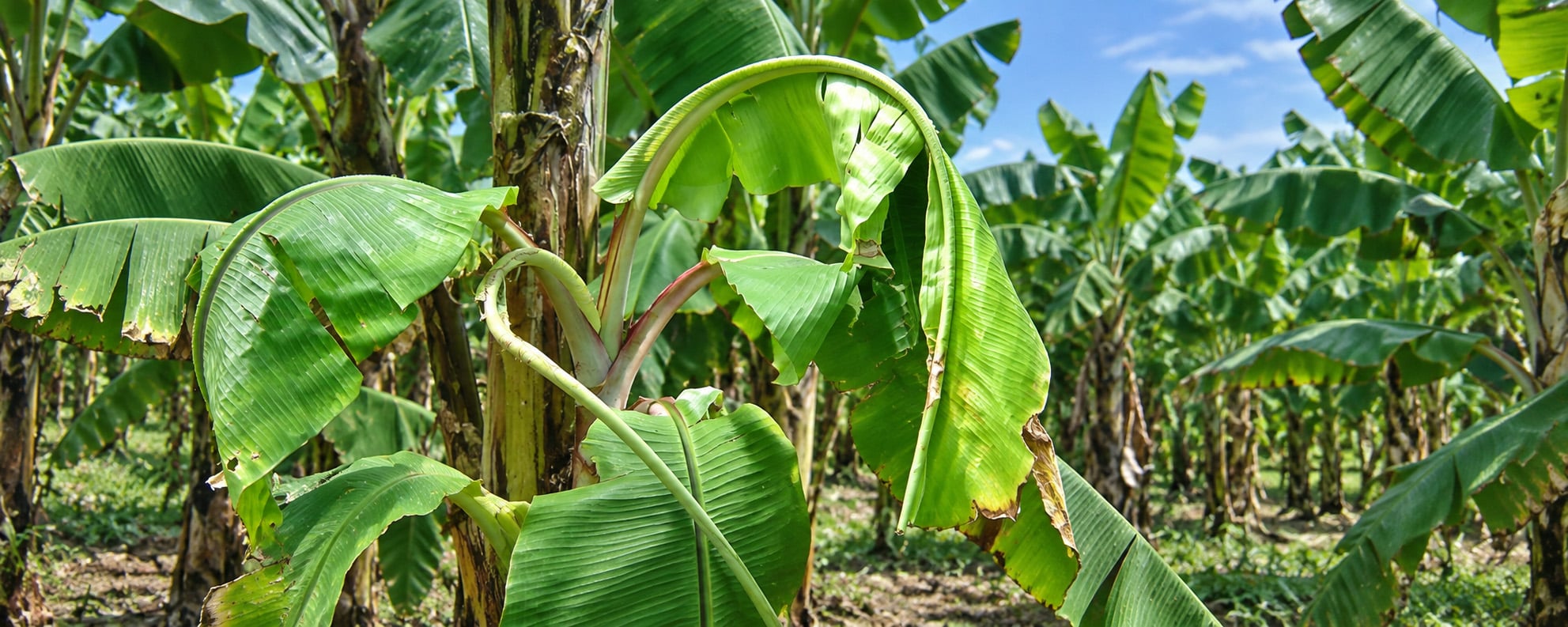
Calcium deficiency in banana shows first on the youngest leaves, as thickened veins and a saw-tooth pattern of yellow and dead tissue along the leaf margin, and in severe cases as “spike leaf”, new leaves with little or no blade, and poor-quality fruit (Turner, 1987; Martin-Prével, 1980). On most plantation soils it is not a […]
A calcium fertilizer supplies the calcium that holds plant cell walls and membranes together, but whether it reaches the fruit depends as much on water flow as on the fertilizer you choose. Calcium travels with water to the leaves and barely moves out of them again, so fruit and young leaves can run short even […]
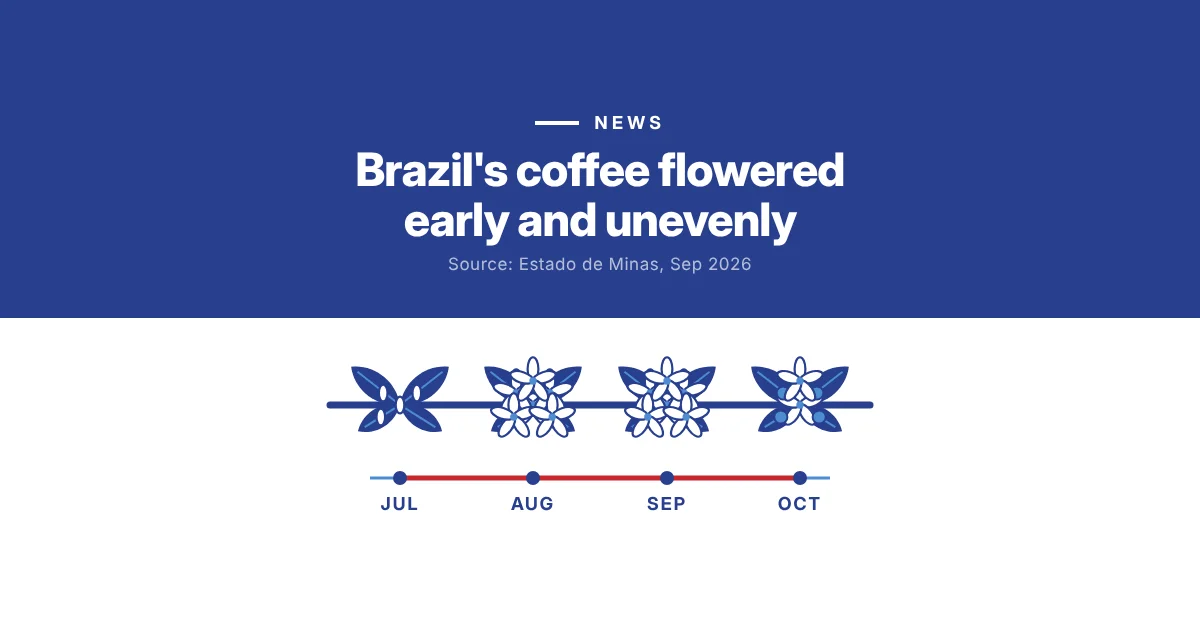
An unusually wet winter brought coffee flowering in Minas Gerais forward by about a month, in several separate waves. With October forecast to be hotter than normal and rain patchy, the question for 2027 is now how many of those flowers turn into fruit. At Van Polder, we believe a strong flowering is only the […]