



Macronutrients and Micronutrients for Plants: A Complete Technical Guide
Macronutrients and micronutrients are both required for plants to complete their life cycle, but they differ in the amount plants need, their primary biological functions, application frequency, and safety range. While macronutrients are needed in relatively large amounts to support plant structure, energy, biomass, and yield, micronutrients are required in much smaller quantities to support […]
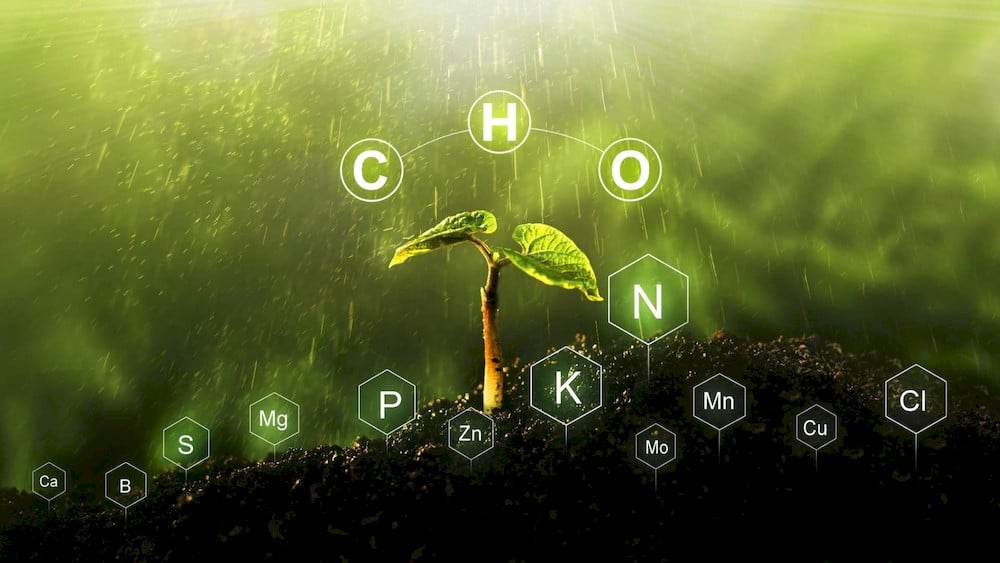

Macronutrients and micronutrients are both required for plants to complete their life cycle, but they differ in the amount plants need, their primary biological functions, application frequency, and safety range. While macronutrients are needed in relatively large amounts to support plant structure, energy, biomass, and yield, micronutrients are required in much smaller quantities to support enzyme activity, photosynthesis, and growth regulation. Let’s explore the key differences between macronutrients and micronutrients and understand how each supports healthy plant growth.
Comparison Table Between Macronutrients and Micronutrients
| Comparison Criteria | Macronutrients (Major & Secondary Elements) | Micronutrients (Trace Elements) |
| Plant Requirement & Tissue Concentration | Required in relatively large quantities.
Tissue concentration is generally> 0.1% of dry tissue weight(≥ 1,000 mg/kg or 1 g/kg of dry matter). |
Required in trace quantities.
Tissue concentration is generally< 0.01% of dry tissue weight(< 100 mg/kg or < 100 ppm of dry matter). |
| Included Mineral Elements | Non-Mineral Structural: Carbon (C), Hydrogen (H), Oxygen (O)(from air and water).
Primary Mineral: Nitrogen (N), Phosphorus (P), Potassium (K). Secondary Mineral: Calcium (Ca), Magnesium (Mg), Sulfur (S). |
Essential Trace Minerals: Iron (Fe), Zinc (Zn), Manganese (Mn), Copper (Cu), Boron (B), Molybdenum (Mo), Chlorine (Cl), and Nickel (Ni). |
| Primary Biological Roles | Build physical cell structures, cell walls, nucleic acids (DNA/RNA), proteins, chlorophyll centers, osmotic water balance, and ATP energy transfer molecules. | Act as metabolic catalysts, enzyme activators across all major enzyme classes, electron transport shuttles in photosynthesis, and drivers of hormone (auxin) synthesis. |
| Level of Essentiality | Strictly Essential: The plant cannot complete its vegetative or reproductive life cycle if any macronutrient is missing. | Equally Essential: Despite the minute quantities required, a micronutrient deficiency halts life cycles just as severely as a lack of NPK. |
| Application Methods & Frequency | High Frequency & Volume: Applied routinely to soil or via irrigation (fertigation) in split applications matching crop growth stages (basal, vegetative, flowering, fruit filling). | Low Volume & Precision Dosing: Primarily applied as foliar sprays (direct leaf absorption) or as chelated soil fertilizers (EDTA/EDDHA). Soil applications can remain effective for multiple seasons. |
| Safety Margin & Toxicity Risk | Wider Safety Margin: Plants tolerate broader concentration ranges. However, excess Nitrogen leads to lush overgrowth, delayed flowering, weak stems, and increased pest/disease attacks. | Extremely Narrow Safety Margin: The boundary between sufficient nutrition and severe toxicity is very tight. Minor over-dosing (e. g., Boron or Copper) causes leaf scorch, root damage, and se |
1. Common Features of Macronutrients and Micronutrients
Macronutrients and micronutrients share several common features in plant nutrition, including essentiality for plant growth, specific optimal concentration ranges, and interconnected nutrient interactions:
- Equal Essentiality for Plant Life Cycles: Both macronutrients and micronutrients are essential mineral elements required for plants to complete their life cycle. Although they serve different physiological roles, a deficiency in either group can impair plant growth, and no macronutrient can replace a missing micronutrient, or vice versa.
- Optimal Concentration Ranges: Avoiding Deficiency and Toxicity: Both nutrient groups require a balanced supply within a specific optimal concentration range for healthy growth and high yields:
- Deficiency Zone: When an essential nutrient falls below its minimum critical threshold, plants cannot function properly. Symptoms include leaf yellowing ( chlorosis), tissue death ( necrosis), poor root structure, stunted growth, and yield loss.
- Optimal Zone: Within the optimal range, plants receive sufficient nutrition to support maximum growth, strong disease resistance, and high-quality produce.
- Toxicity Zone: More is not always better. When nutrient levels exceed the plant’s safe upper limit, both macronutrients and micronutrients can cause toxicity, disrupt physiological balance, cause root burn, leaf-margin scorch, tissue damage, or even plant death.
- Interconnected Balance and Nutrient Interactions: Macronutrients and micronutrients interact directly with each other in the soil and inside plant tissues. An over-application of one nutrient can chemically block or inhibit the uptake and transport of another, creating secondary deficiencies or toxicities. Maintaining a correct, crop-specific balance between both groups helps optimize fertilizer efficiency, protect soil health, and strengthen the plant’s natural ability to withstand environmental stress and disease attacks.
2. Plant Requirements and Concentrations
The main difference between macronutrients and micronutrients lies in the amount plants require and their concentration in plant tissue.
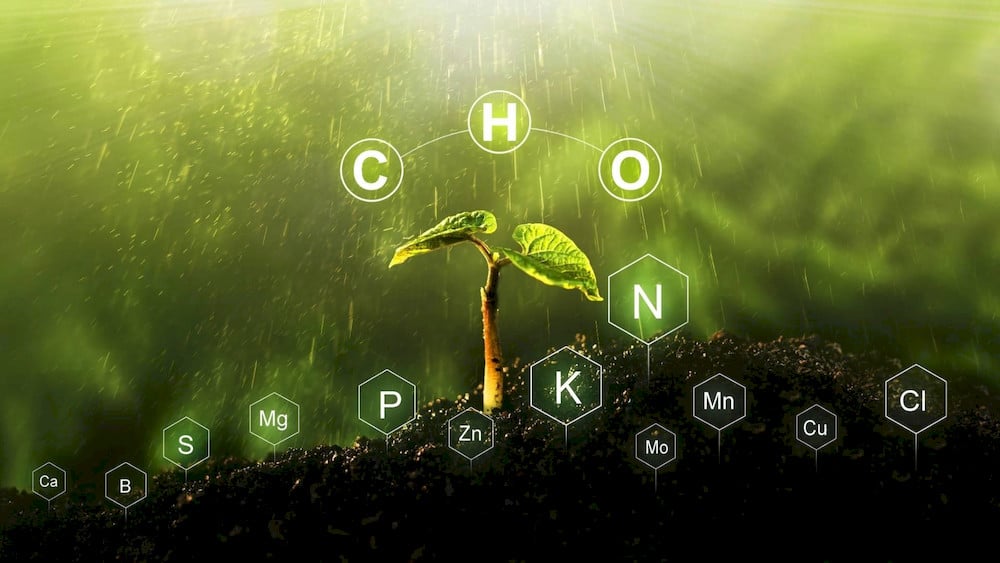
- Macronutrients: Plants require macronutrients in relatively large quantities throughout their growth cycle. In healthy dry plant tissue, their concentrations are generally above 0.1%, equivalent to more than 1,000 mg/kg (1 g/kg). The main macronutrients include Nitrogen (N), Phosphorus (P), Potassium (K), Calcium (Ca), Magnesium (Mg), and Sulfur (S). These nutrients are needed in substantial amounts to support plant structure, energy production, photosynthesis, growth, and yield.
- Micronutrients: Micronutrients are required in much smaller quantities and are often referred to as trace elements. Their concentrations in healthy dry plant tissue are generally below 0.01%, equivalent to less than 100 mg/kg or 100 ppm. Essential micronutrients include Iron (Fe), Zinc (Zn), Manganese (Mn), Copper (Cu), Boron (B), Chlorine (Cl), Molybdenum (Mo), and Nickel (Ni). Although plants need only small amounts, these nutrients are essential for enzyme activity, photosynthesis, nutrient metabolism, and other physiological processes.
3. Specific Elements and Their Primary Biological Functions
To manage crop health effectively, growers must understand the specific biological jobs each element performs inside the plant. Knowing these roles allows farmers to spot nutrient needs early, apply fertilizers at the right growth stages, and avoid costly yield losses.
3.1. Macronutrients
Macronutrients serve as the structural framework and major functional drivers of plant life. They are divided into three sub-groups based on their origin and primary functions: Structural Elements, Primary Macronutrients, and Secondary Macronutrients.
3.1.1. Structural Elements (C, H, O)
Carbon (C), Hydrogen (H), and Oxygen (O) are classified as structural elements because they form the fundamental building blocks of organic molecules and plant cell structures.
- Foundations of Physiological Processes: C, H, and O are indispensable to core metabolic processes such as photosynthesis and respiration. Through photosynthesis, plants combine carbon dioxide from the air with water from the soil to produce simple sugars, which are then used to form carbohydrates, cellulose, and lignin that provide structural strength to crops.
- Management Insight: Unlike mineral nutrients, C, H, and O are not supplied through commercial fertilizers. Plants naturally obtain them from air (CO₂) and water (H₂O). Growers can support their availability by optimizing irrigation, maintaining good soil aeration, and providing adequate plant spacing for effective sunlight interception.
3.1.2. Primary Macronutrients (N, P, K)
Primary macronutrients are the nutrients crops require in the highest quantities. They support rapid vegetative growth, energy transfer, and overall plant vigor.
Nitrogen (N) – The Engine of Vegetative Growth
Nitrogen is an essential component of amino acids, proteins, and functional enzymes, making it central to cellular metabolism. It is also a key structural component of nucleic acids (DNA and RNA) and the green pigment chlorophyll. Adequate nitrogen promotes vigorous leaf and stem growth, supports leaf starch synthesis, and contributes to healthy seed and fruit production.
Phosphorus (P) – The Plant’s Energy Currency
Phosphorus is a vital structural component of nucleic acids, cell membrane phospholipids, and key coenzymes. It plays a crucial role in energy storage and transfer through high-energy pyrophosphate bonds in ATP (adenosine triphosphate), supporting photosynthesis and respiration. Phosphorus also activates more than 60 plant enzymes and is essential for early root development, robust flowering, and uniform fruit set.
Potassium (K) – The Water & Transport Regulator
Potassium is the most abundant free cation ( K⁺) in the plant cytoplasm. Unlike nitrogen and phosphorus, it does not form organic structural compounds. Instead, potassium regulates cellular turgor pressure and electrical charge balance.
It controls the opening and closing of microscopic leaf pores (stomata), regulating water retention and gas exchange. Potassium also supports long-distance sugar transport through the phloem and activates key enzymes involved in protein synthesis and photosynthesis.
3.1.3. Secondary Macronutrients (Ca, Mg, S)
Secondary macronutrients are required in substantial amounts and function primarily in structural stability, photosynthesis, and enzyme activity.
Calcium (Ca) – The Structural Shield & Cell Messenger
Calcium binds with pectin in cell walls to form a rigid structural matrix, strengthening plant tissues and maintaining cell membrane stability. It also acts as an internal second messenger in cell signaling, helping plants sense and respond to environmental stresses such as heat, drought, and pathogen attacks. Calcium is essential for active cell division and tissue elongation at growing root and shoot tips.
Magnesium (Mg) – The Heart of Photosynthesis
Magnesium serves as the central atom in the porphyrin ring of the chlorophyll molecule, making it essential for capturing light energy during photosynthesis. It is also required for ATP synthesis and acts as a structural bridge holding ribosome subunits together during protein synthesis. In addition, magnesium activates critical metabolic enzymes, including phosphatases and carboxylases.
Sulfur (S) – The Protein & Enzyme Stabilizer
Sulfur is a core component of the sulfur-containing amino acids cysteine and methionine, which serve as building blocks of plant proteins. Sulfur groups form reversible disulfide bonds (-S-S-) that stabilize protein structures and support critical oxidation-reduction (redox) reactions. Sulfur is also an essential component of key plant vitamins, such as thiamine and biotin, and electron transport proteins such as ferredoxin.
3.2. Micronutrients
Although plants require micronutrients, or trace elements, in minute quantities, they are essential for crop health, yield quality, and physiological survival. These eight trace elements primarily function as enzyme activators, electron carriers, and structural stabilizers, supporting a wide range of essential metabolic processes.
Iron (Fe) – The Catalyst for Chlorophyll and Energy Transfer:
Iron is an essential transition metal required for chlorophyll biosynthesis, chloroplast structural integrity, and photosynthetic energy capture. Because iron readily shifts between oxidation states (Fe³⁺ and Fe²⁺), it serves as a central electron carrier in iron-sulfur proteins such as ferredoxin and metabolic enzymes including catalase, peroxidase, and cytochrome oxidase.
Although iron is not directly incorporated into the chlorophyll molecule, plants cannot synthesize chlorophyll without it. Iron deficiency therefore causes severe interveinal chlorosis, characterized by yellowing between the green leaf veins, particularly on young leaves.
Zinc (Zn) – The Growth Hormone and Enzyme Activator:
Zinc plays an essential role in cell proliferation, carbohydrate metabolism, and protein synthesis. It is the only metallic element required across all six major enzyme classes: hydrolases, oxidoreductases, lyases, transferases, ligases, and isomerases.
Zinc also supports the synthesis of auxin (indole-3-acetic acid), the primary plant hormone responsible for shoot internode elongation and leaf expansion. In addition, it helps maintain cell membrane integrity. Zinc deficiency can result in shortened internodes, stunted rosette growth, and deformed leaves.
Manganese (Mn) – The Water-Splitting Engine of Photosynthesis
Manganese serves as an essential activator for numerous enzymes involved in the citric acid cycle, nitrogen assimilation, and carbohydrate metabolism. Most importantly, it forms part of the oxygen-evolving complex in Photosystem II, where it helps split water molecules (H₂O) to release oxygen (O₂) and support photosynthesis. Manganese also contributes to chlorophyll formation, helping maintain photosynthetic capacity.
Copper (Cu) – The High-Efficiency Electron Transport Agent
Copper is required for protein synthesis, cellular respiration, and chlorophyll production. Because it can readily cycle between Cu²⁺ and Cu⁺, copper is well suited to driving redox reactions. It is a vital component of metalloproteins such as plastocyanin, which transports electrons during photosynthesis, and cytochrome oxidase, which functions in the mitochondrial electron transport chain.
Boron (B) – The Flowering, Reproductive & Wall-Building Element
Boron is essential for cell wall structure, plasma membrane integrity, and reproductive tissue development. By cross-linking pectic polysaccharides in cell walls, it contributes to tissue flexibility and physical strength.
Boron also facilitates the transport of sugars and starches from leaves to developing sinks, including roots, flowers, and fruits, while regulating hormone and lipid metabolism. During flowering, boron is particularly important because it promotes pollen tube germination, supports fruit set, and helps prevent tissue cracking and hollow stems.
Chlorine (Cl) – The Turgor and Osmotic Regulator
Chlorine is absorbed as the chloride anion (Cl⁻) and works alongside manganese in the water-splitting reaction of Photosystem II. It also acts as a primary osmotic solute, helping regulate cell turgor pressure and leaf gas exchange through the opening and closing of stomatal guard cells. In addition, chlorine activates vacuolar proton-pumping ATPases that help maintain cellular balance.
Molybdenum (Mo) – The Nitrogen Converter
Molybdenum is required in extremely small quantities but plays a pivotal role in nitrogen metabolism. It serves as a necessary cofactor for nitrate reductase, the enzyme that converts absorbed soil nitrate (NO₃⁻) into ammonium (NH₄⁺) for amino acid synthesis. Molybdenum is also a key component of nitrogenase, the enzyme used by symbiotic rhizobia bacteria in legume root nodules to convert atmospheric nitrogen (N₂) into usable nutrients for the plant.
Nickel (Ni) – The Urea Recycler and Seed Germination Trigger
Nickel is the most recently recognized essential mineral micronutrient. It forms the metallic core of the urease enzyme, which converts urea (CO(NH₂)₂) into usable ammonium within plant tissues. Without sufficient nickel, toxic urea can accumulate in leaf tips and cause tissue burn. Nickel is also essential for seed germination and early seedling vigor.
4. Application Frequency & Methods
Because crops require macronutrients and micronutrients in different amounts and respond to them differently, growers must tailor their application techniques accordingly. Specifically:
4.1. Macronutrients
Because macronutrients support the physical framework and major physiological functions of plants, they must be supplied in substantial quantities throughout the growing cycle.
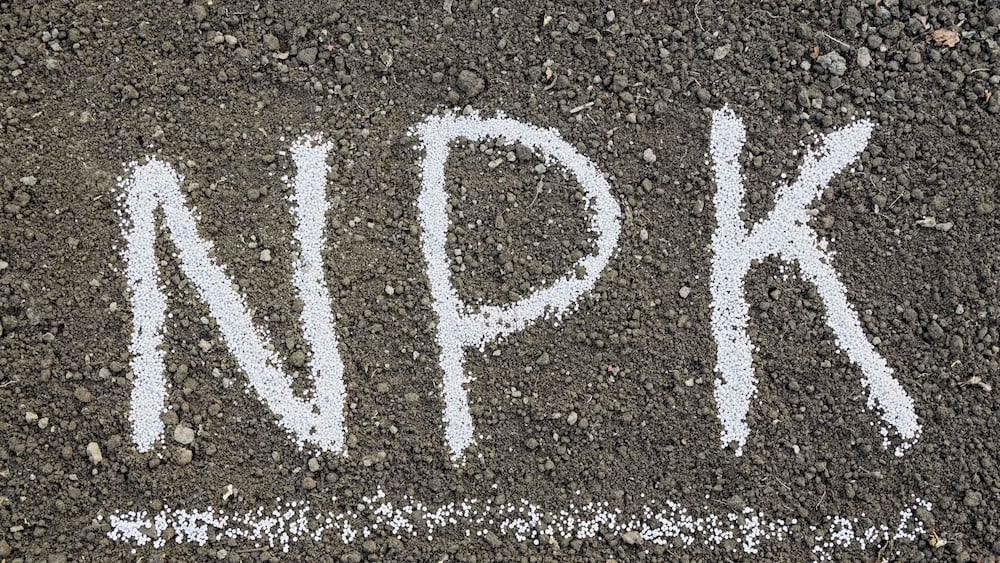
- Primary Application Routes: Macronutrients are commonly applied directly to the soil as granular fertilizers or injected into irrigation water ( fertigation). These methods deliver nutrients to the root zone, where plants can absorb them through active root uptake.
- Application Timing & Split Dosing: Rather than applying all fertilizer at once, growers can split applications according to crop growth stages:
- Basal Application: Applied at planting or sowing to support early root development and seedling establishment, with emphasis on Phosphorus, Calcium, and balanced Nitrogen.
- Top-Dressing / Vegetative Phase: Applied during active shoot and leaf expansion to support vegetative growth, with greater emphasis on Nitrogen and Sulfur.
- Reproductive & Fruit-Filling Phase: Applied during flowering and fruit or grain development to support yield and produce quality, with greater emphasis on Potassium, Calcium, and Phosphorus.
- Foliar Supplemental Fixes: Foliar sprays of macronutrients, such as Calcium or Nitrogen, can provide rapid supplemental nutrition or help address mid-season stress. However, they generally cannot replace soil or fertigation because crops require macronutrients in much larger quantities.
4.2. Micronutrients
Because micronutrients are required in trace amounts, their application requires greater precision. Traditional soil broadcasting can result in uneven distribution or nutrient fixation, particularly under unfavorable soil conditions.
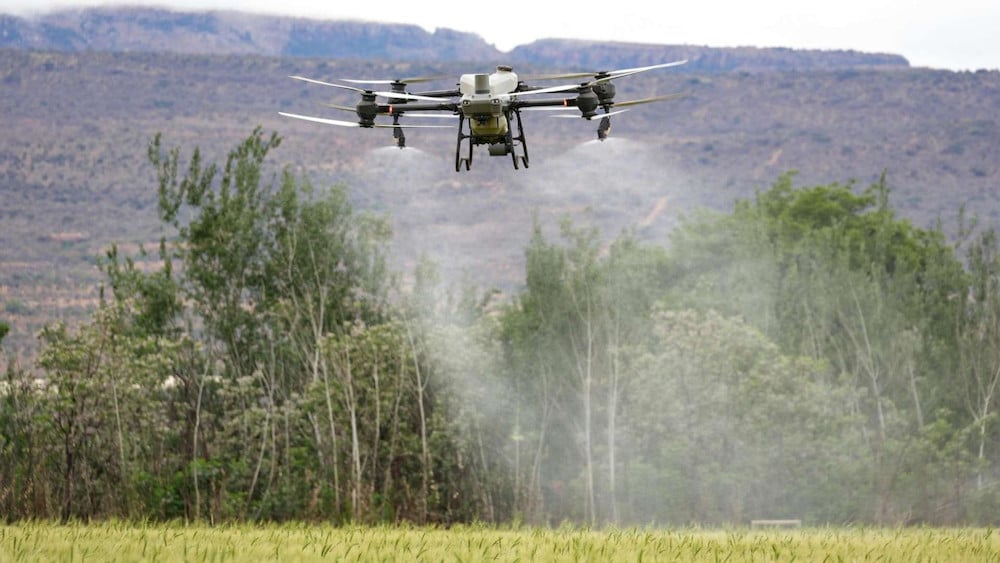
- Foliar Application (Leaf Feeding): Foliar spraying is a widely used method for correcting micronutrient deficiencies. Applying nutrients directly to leaves can bypass soil fixation and provide nutrients when root uptake is temporarily restricted by conditions such as high pH, drought, or cold root zones.
- Soil Application & Chelates: When micronutrients are applied to soil, growers use very small doses, often only a few grams or ounces per hectare, or use chelated micronutrients such as Fe-EDDHA, Zn-EDTA, or Cu-EDTA. Chelates help keep metal ions available by reducing their tendency to bind to soil particles or precipitate under alkaline conditions.
- Application Frequency: Micronutrients generally require less frequent application than macronutrients. Some trace elements can remain effective in soil for extended periods. For example, a single soil application of Boron may remain effective for up to 3 years, while soil-applied Copper can provide residual benefits for 5 to 8 years, depending on soil type.
5. Safety Margin & Toxicity
In crop management, more fertilizer does not necessarily mean better growth. Every essential nutrient has a concentration range beyond which excessive accumulation can become toxic, causing physiological stress and yield loss.
5.1. Macronutrients
Macronutrients generally have a wider tolerance range, meaning plants can absorb reasonable variations in concentration without immediate tissue damage. However, severe over-application can still disrupt plant growth and crop performance.
- Excess Nitrogen Toxicity: Excessive Nitrogen promotes lush, soft vegetative growth at the expense of reproductive development. Plants may develop weak stems prone to lodging, delayed flowering, poor fruit set, and brittle leaves. Excessive N-rich growth can also attract sap-sucking pests such as aphids and increase susceptibility to fungal infections.
- Root Zone Salt Stress: Heavy applications of soluble macronutrient salts, including NPK fertilizers, increase the electrical conductivity ( EC) of the soil solution. Excessive salt concentrations can damage delicate root tips and create osmotic stress that limits water uptake.
5.2. Micronutrients
Unlike macronutrients, micronutrients generally have a narrower safety margin between sufficiency and toxicity. Even relatively small amounts above the crop’s requirements can cause physiological damage.
The following are examples of common micronutrient toxicity symptoms:
- Boron (B) Toxicity: Excessive Boron can accumulate at leaf margins through transpiration, causing leaf margin burning, tip chlorosis, necrotic leaf spots, and premature leaf drop.
- Copper (Cu) Toxicity: Excess Copper can damage plant growth, leading to abnormally thick, dark, and stunted root systems, severely reduced shoot growth, and secondary Iron chlorosis.
- Manganese (Mn) Toxicity: Excess Manganese can produce necrotic brown spots on mature leaves, darkened leaf veins, leaf crinkling, and bark cracking or bark measles in fruit trees.
- Zinc (Zn) Toxicity: Excess Zinc can cause severe interveinal chlorosis on young leaves. Because excessive Zinc ions can interfere with Iron (Fe) and Magnesium (Mg) uptake, Zn toxicity may result in secondary Fe or Mg deficiency symptoms.
Grower’s Golden Rule: Because correcting soil micronutrient toxicity can be far more difficult and expensive than correcting a mild deficiency, growers should confirm nutrient requirements through soil testing and tissue analysis before applying high-dose trace element fertilizers.

Macronutrients and micronutrients for plants differ in quantity, function, application, and tolerance to excess, yet both are essential to plant nutrition. These differences make nutrient management more than a matter of fertilizer selection. Considering how each nutrient is required and used by the crop provides a clearer basis for choosing suitable sources, timing applications, and preventing nutrient-related problems.


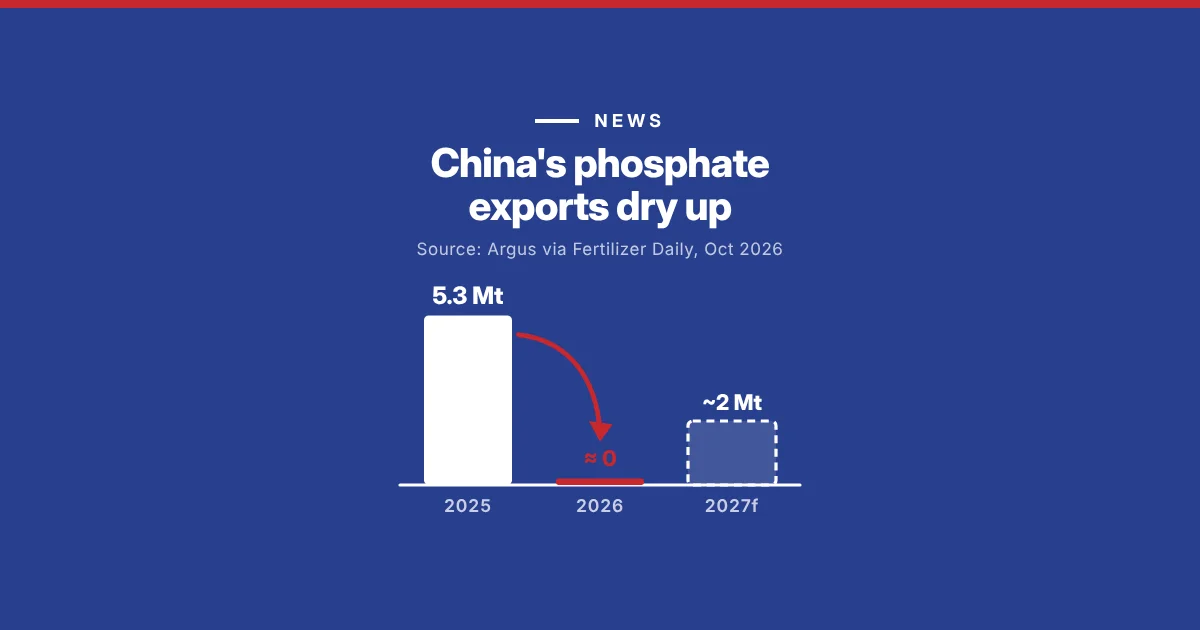
China, which exported about 5.3 million tonnes of phosphate fertilizer in 2025, has shipped almost none in 2026. With sulfur scarce and phosphate prices high, import-dependent markets face a tight season, and every kilo of phosphorus needs to work harder. At Van Polder, we believe a tight phosphate market is a reason to look again […]

If you are starting a banana farm, Panama disease (Fusarium wilt of banana) is the risk to plan for. How to prevent Panama disease in bananas comes down to keeping the fungus out, because no fertilizer prevents or cures it and once it is in the soil it stays for decades (Pegg et al., 2019; […]
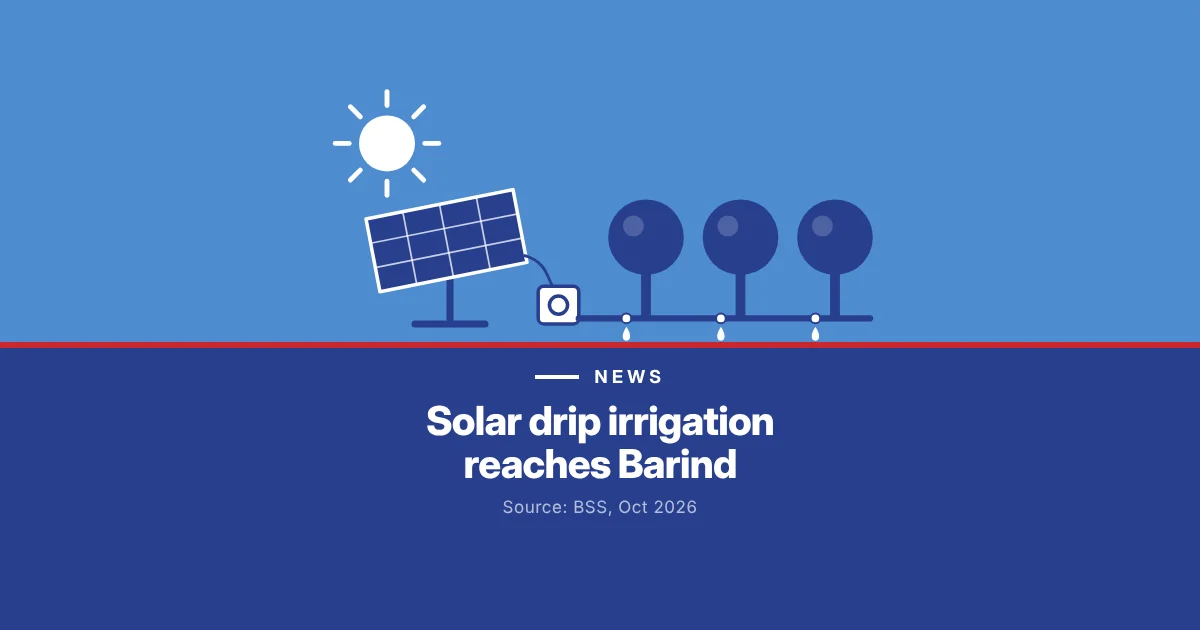
A government project in Bangladesh’s Rajshahi Division has brought solar-powered pumps, including solar drip systems for orchards, to drought-prone land where groundwater has been falling for decades. The Prime Minister wants all diesel irrigation pumps converted to solar within five years. For growers who move to drip, the next step is to feed the crop […]
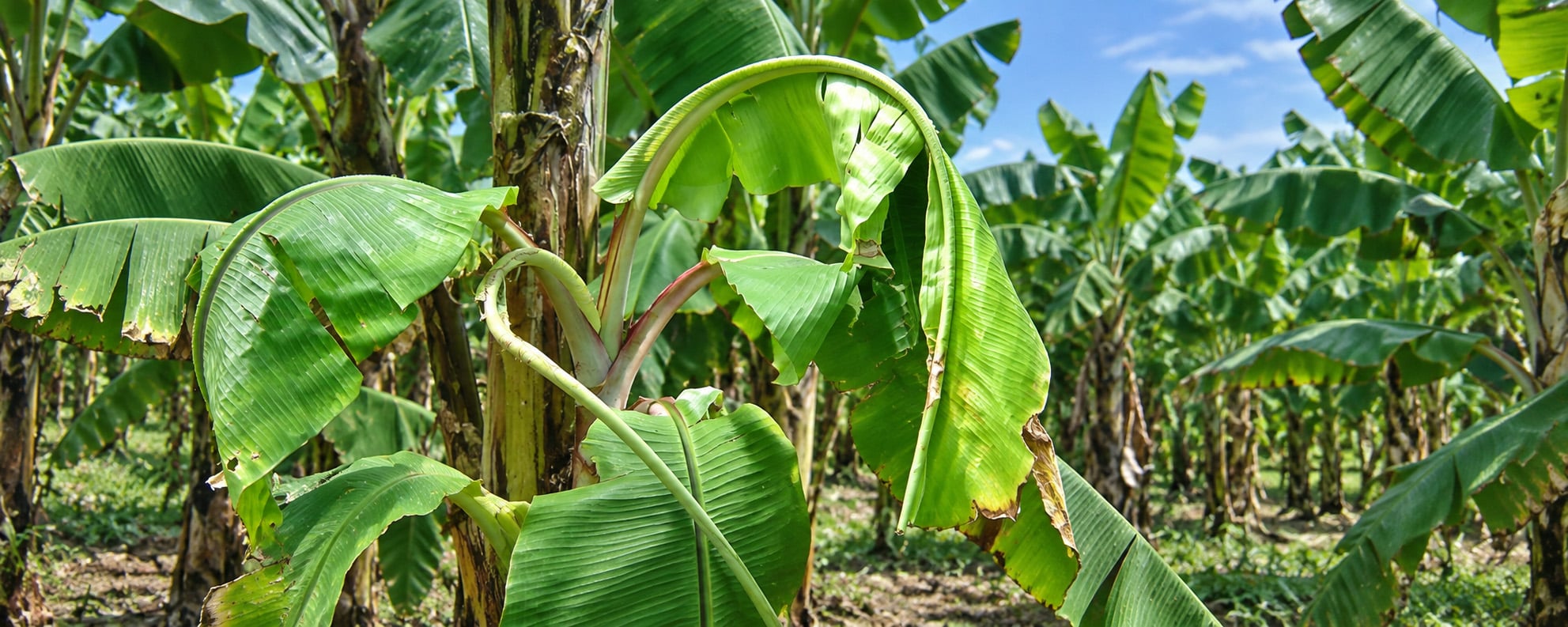
Calcium deficiency in banana shows first on the youngest leaves, as thickened veins and a saw-tooth pattern of yellow and dead tissue along the leaf margin, and in severe cases as “spike leaf”, new leaves with little or no blade, and poor-quality fruit (Turner, 1987; Martin-Prével, 1980). On most plantation soils it is not a […]
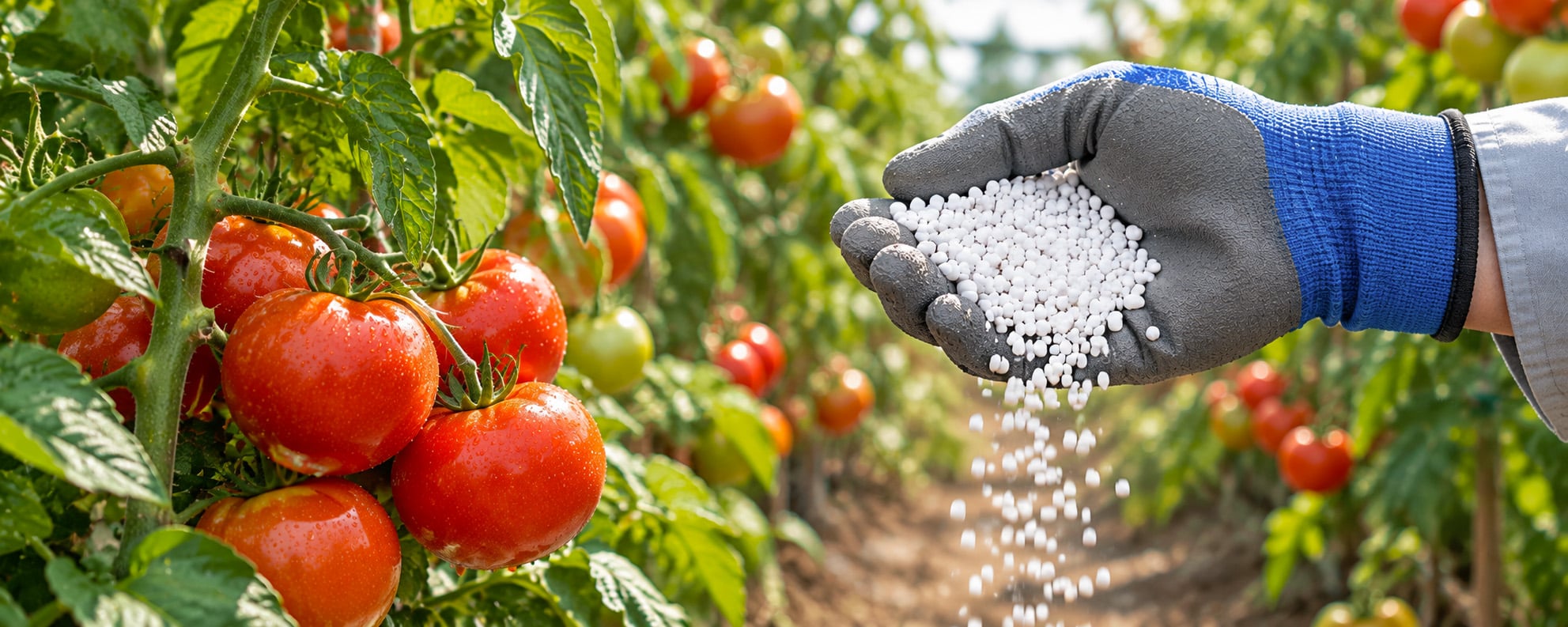
A calcium fertilizer supplies the calcium that holds plant cell walls and membranes together, but whether it reaches the fruit depends as much on water flow as on the fertilizer you choose. Calcium travels with water to the leaves and barely moves out of them again, so fruit and young leaves can run short even […]

An unusually wet winter brought coffee flowering in Minas Gerais forward by about a month, in several separate waves. With October forecast to be hotter than normal and rain patchy, the question for 2027 is now how many of those flowers turn into fruit. At Van Polder, we believe a strong flowering is only the […]