



4 Hydroponic Micronutrient Fertilizers for High-Yielding Systems
Choosing micronutrient fertilizers for hydroponics is more complicated than simply adding trace elements to a nutrient solution. The wrong fertilizer form can cause precipitation, clog irrigation systems, reduce nutrient availability, or create toxicity when doses are not carefully controlled. This guide compares the main types of hydroponic micronutrient fertilizers and explains how to choose a […]


Choosing micronutrient fertilizers for hydroponics is more complicated than simply adding trace elements to a nutrient solution. The wrong fertilizer form can cause precipitation, clog irrigation systems, reduce nutrient availability, or create toxicity when doses are not carefully controlled. This guide compares the main types of hydroponic micronutrient fertilizers and explains how to choose a suitable source for your crop, water quality, pH, and growing system.
1. Chelated Micronutrient Fertilizers
Definition:
Chelated micronutrients are metallic trace elements such as iron (Fe), manganese (Mn), zinc (Zn), and copper (Cu) that are chemically bound to an organic molecule called a chelating agent. The chelating molecule surrounds the metal ion, helping protect it from reactions that would otherwise make the nutrient unavailable in the solution.
Function:
Chelation helps protect metal ions from oxidation and chemical precipitation, keeping them dissolved and available for root uptake across a wider range of pH conditions. Without chelation, free iron can react with oxygen or phosphates at pH levels above 6.0, forming insoluble compounds that reduce iron availability and can contribute to iron chlorosis. Keeping micronutrients in solution also reduces the risk of mineral deposits accumulating in drip lines, filters, and emitters.
Common Forms:
The three most common synthetic iron chelates used in fertigation and hydroponic systems include:
- Fe-EDTA: Suitable for slightly acidic to near-neutral solutions, with effective stability up to approximately pH 6.5. It is commonly used when nutrient-solution pH is well controlled.
- Fe-DTPA: More stable in moderately alkaline conditions, with effective stability up to approximately pH 7.5. It can be useful when solution pH tends to rise.
- Fe-EDDHA: The most stable of these three chelates under alkaline conditions, remaining effective at pH 9.0 and above. It is particularly useful in hard water or calcareous growing conditions.
Advantages:
- Improved Nutrient Availability: Keeps metal micronutrients in a soluble form that remains accessible for root uptake across a wider pH range.
- Reduced Deficiency Risk: Helps maintain iron and other metal micronutrients in available forms, reducing the risk of symptoms such as interveinal chlorosis.
- Reduced Clogging Risk: Keeping micronutrients soluble helps minimize mineral deposits in narrow drip lines, filters, and emitters.
Disadvantages:
- Higher Cost: Synthetic chelates generally cost more than conventional inorganic mineral salts.
- Not Always Necessary: When root-zone pH is consistently maintained around 5.5–6.3, inorganic sources such as manganese sulfate (MnSO₄) and zinc sulfate (ZnSO₄) can provide comparable crop performance to chelated forms for these nutrients.
- Potential Nutrient Interactions: Excessive use of certain chelated micronutrients, such as Mn-EDTA, may interfere with the transport or uptake of other metal nutrients because trace-metal cations can share transport pathways within plants.
2. Single-Element Micronutrient Fertilizers
Definition:
Inorganic micronutrient fertilizers are highly soluble mineral salts that supply individual trace elements without an organic chelating agent. These compounds dissolve in water and release nutrient ions directly into the solution for root uptake.
Function:
Their primary function is to supply specific trace elements to the root zone to support processes such as photosynthesis, chlorophyll synthesis, and enzyme activity. Because each salt provides a specific nutrient, growers can address individual deficiencies or create customized fertilizer recipes based on crop requirements and incoming water quality.
Examples:
Common inorganic micronutrient salts used in fertigation and hydroponics include:
- Manganese Sulfate (MnSO₄): Supplies manganese (Mn) and sulfur (S).
- Zinc Sulfate (ZnSO₄): Supplies zinc (Zn) and sulfur (S).
- Copper Sulfate (CuSO₄): Supplies copper (Cu) and sulfur (S).
- Borax or Boric Acid (H₃BO₃): Supplies boron (B).
- Sodium Molybdate (Na₂MoO₄): Supplies molybdenum (Mo) and sodium (Na).
- Iron Sulfate (FeSO₄): Supplies unchelated iron (Fe) and sulfur (S).

Advantages:
- Lower Cost: Generally less expensive than synthetic chelated fertilizers.
- Precision Dose Control: Allows growers to adjust the concentration of individual micronutrients based on plant tissue analysis or raw water testing.
- Effective Under Controlled pH: When root-zone pH is consistently maintained within the optimal hydroponic range of approximately 5.5–6.3, inorganic manganese and zinc sources can provide comparable crop performance to their chelated forms.
Disadvantages:
- High pH Sensitivity and Precipitation: Unchelated metal ions, particularly iron, are more susceptible to precipitation when pH rises. Above pH 6.0, iron can react with oxygen or phosphates to form insoluble compounds, reducing nutrient availability and potentially contributing to irrigation-system clogging.
- Requires Precise Weighing: Because micronutrients are required at very low concentrations, calculating and mixing individual salts requires careful dosing and a high-precision scale to avoid under- or over-application.
3. Pre-Mixed Multi-Element Micronutrient Blends
Definition:
Pre-mixed multi-element micronutrient fertilizers are commercially formulated products that combine multiple essential trace elements, including boron (B), copper (Cu), iron (Fe), manganese (Mn), molybdenum (Mo), zinc (Zn), and chlorine (Cl). They are available as trace-element-only blends or as complete water-soluble fertilizers that combine micronutrients with primary macronutrients (N-P-K).
Function:
These blends provide a broad spectrum of trace elements in fixed ratios, supporting essential processes such as photosynthesis, enzyme activity, and chlorophyll production. They are commonly applied through fertigation or foliar spraying and can simplify routine micronutrient management.
Common Formats:
Commercial pre-mixed micronutrient products generally come in two main formats:
- All-in-One Complete Soluble Fertilizers: Water-soluble powders or liquid concentrates that combine N-P-K with a full package of trace elements, such as 20-10-20 or 4-18-38 formulations.
- Trace-Element Composite Additives: Dry or liquid concentrates containing multiple micronutrients, often combining chelated iron with inorganic trace-element salts, for use alongside separate macronutrient fertilizers.
Advantages:
- Convenience and Efficiency: Simplifies fertilizer preparation and reduces the time required to manage individual micronutrient sources.
- No Complex Calculations: Eliminates the need to calculate and convert individual doses when preparing a complete micronutrient blend.
- No Micro-Scale Required: Reduces the need for high-precision weighing of very small quantities of compounds such as sodium molybdate or boric acid.
- Lower Risk of Mixing Errors: Pre-formulated nutrient ratios reduce the risk of errors that can occur when individual micronutrient salts are weighed and mixed manually.
Disadvantages:
- Limited Formulation Flexibility: Growers cannot independently increase or reduce one micronutrient when tissue analysis or crop symptoms indicate a specific deficiency or excess.
- Does Not Account for Irrigation Water Composition: Fixed formulations cannot easily compensate for micronutrients such as boron or iron that may already be present in the raw water supply.
- Potential Nutrient Antagonisms: Increasing the overall blend rate to correct one deficiency may unnecessarily increase other micronutrients, potentially contributing to nutrient imbalances or antagonistic interactions.
4. Concentrated Stock Solutions (Stock Tanks A & B)
Definition:
Concentrated stock solutions are pre-dissolved fertilizer reserves prepared at concentrations typically 50, 100, or 200 times higher than the final working solution delivered to crops. They are designed to be metered and injected into irrigation lines using automated fertilizer dosing systems or chemical injectors.
Function:
Their primary purpose is to store large quantities of plant nutrients in a compact liquid form and deliver them through automated fertigation systems. By controlling the injection rate, growers can maintain a consistent nutrient concentration, electrical conductivity (EC), and nutrient balance in the irrigation water.
Advantages:
- Automation and Workflow Efficiency: Integrates with automated injectors and dosing controllers, allowing continuous fertigation across commercial greenhouse systems.
- Saves Time and Labor: Preparing concentrated stock solutions reduces the need to weigh and dissolve individual fertilizers before each irrigation cycle.
- Consistent Nutrient Delivery: Controlled injection provides more uniform nutrient dilution throughout the irrigation system and reduces concentration fluctuations.
Disadvantages:
- High Risk of Chemical Precipitation: Extremely high nutrient concentrations increase the risk of chemical reactions that form insoluble compounds, which can clog pipes, filters, and drip emitters.
- Requires Equipment Investment: Automated fertigation requires suitable stock tanks, dosing pumps or injectors, and monitoring equipment for EC and pH.
- Risk of Tank Corrosion: Concentrated mineral salts can be corrosive, so stock tanks and associated equipment should be made from compatible, corrosion-resistant materials.
Mixing Rules & Incompatibility Guidelines:
Proper separation of incompatible fertilizers is essential when preparing concentrated stock solutions. A two-tank system, typically consisting of Stock Tank A and Stock Tank B, is commonly used to reduce the risk of precipitation.
- The Two-Tank Separation Rule: Concentrated fertilizers should be divided between separate stock tanks according to their chemical compatibility.
- Tank A (Calcium Tank): Typically contains calcium nitrate [Ca(NO₃)₂], iron chelates such as Fe-DTPA or Fe-EDDHA, and compatible nitrate fertilizers such as potassium nitrate or ammonium nitrate.
- Tank B (Phosphates & Sulfates Tank): Typically contains phosphate fertilizers such as monopotassium phosphate (KH₂PO₄), sulfate fertilizers such as magnesium sulfate (MgSO₄), and compatible trace-element sulfates.
- Strict Calcium Incompatibility: Calcium (Ca²⁺) should not be mixed with concentrated phosphate or sulfate fertilizers. At high concentrations, calcium can react with sulfate to form insoluble calcium sulfate (CaSO₄) and with phosphate to form calcium phosphate compounds, creating precipitates that can reduce nutrient availability and clog irrigation equipment. These fertilizers can be safely combined only after separate injection and sufficient dilution in the main irrigation water stream.
5. How to Choose Micronutrient Fertilizers for Hydroponic Crops
Choosing a micronutrient fertilizer should be based on more than the nutrient label alone. The right choice depends on solution pH, crop requirements, water chemistry, dosing flexibility, and fertilizer quality.
5.1. Choose the Micronutrient Form Based on Solution pH
Solution pH determines how stable and available many micronutrients remain in a hydroponic nutrient solution.
- Iron (Fe): Chelated iron forms such as Fe-EDTA, Fe-DTPA, and Fe-EDDHA are generally preferred because unchelated iron becomes increasingly prone to precipitation as pH rises. Fe-EDTA is suitable for nutrient solutions maintained below approximately pH 6.5, while Fe-DTPA and Fe-EDDHA provide greater stability at higher pH levels.
- Manganese (Mn) and Zinc (Zn): When root-zone pH remains stable within approximately 5.5–6.3, inorganic sulfate sources such as manganese sulfate (MnSO₄) and zinc sulfate (ZnSO₄) can provide comparable crop performance to chelated forms such as Mn-EDTA and Zn-EDTA, while reducing fertilizer costs.
- Boron (B), Molybdenum (Mo), and Copper (Cu): These micronutrients are commonly supplied through soluble inorganic sources such as borax or boric acid, sodium molybdate, and copper sulfate, respectively. Because boron has a relatively narrow range between adequate and toxic concentrations, accurate calculation and precise weighing are particularly important.
5.2. Match the Fertilizer to the Crop and Growth Stage
Crop type and developmental stage influence both nutrient demand and the level of formulation flexibility required.
- Leafy Greens (Lettuce, Basil, Herbs): These crops generally have relatively consistent nutrient requirements throughout their short production cycles. Standard pre-mixed formulas or fixed complete recipes are therefore often suitable for routine feeding.
- Fruiting Crops (Tomatoes, Peppers, Cucumbers, Strawberries): Nutrient requirements can change substantially between vegetative growth and fruit development. Flexible single-salt recipes or multi-tank fertigation programs allow growers to adjust nutrient ratios and calcium and magnesium supply according to each developmental stage.
5.3. Testing Raw Irrigation Water Quality
The nutrient solution should account for minerals already present in the incoming water, rather than treating the water as a blank starting point.
- Test the Raw Water: Perform a comprehensive laboratory analysis of the irrigation water before establishing a fertilizer program. This identifies background levels of minerals such as calcium, magnesium, iron, boron, and sodium.
- Account for Existing Nutrients: Adjust the fertilizer recipe according to the minerals already present in the water. This helps prevent excessive accumulation, nutrient imbalances, and micronutrient toxicity.

5.4. Convenience vs. Precision Control
The choice between a complete fertilizer and a custom recipe largely depends on how much control the grower needs over individual nutrients.
- Complete Pre-Mixed Fertilizers: These products simplify preparation and are well suited to small-scale operations or growers who prioritize convenience. However, their fixed nutrient ratios limit the ability to adjust individual micronutrients when a specific deficiency or excess occurs.
- Custom Blending from Individual Salts or Chelates: Custom recipes provide greater control over individual nutrient concentrations and can be tailored to tissue analysis and water chemistry. The trade-off is that they require accurate calculations and high-precision scales for measuring very small quantities.
5.5. Fertilizer Purity and Grade
Fertilizer quality becomes particularly important in hydroponic systems, where undissolved impurities can directly affect irrigation equipment. Greenhouse-grade products are formulated for higher purity and complete water solubility, with lower levels of undesirable contaminants. This helps reduce sediment accumulation and the risk of clogging filters, drip lines, and emitters.
In hydroponic production, micronutrient management requires more than meeting the crop’s nutrient requirements on paper. The right fertilizer should remain stable in the nutrient solution, fit the system’s dosing method, and allow growers to control nutrient levels without creating unnecessary imbalances. Choosing the appropriate source can therefore make nutrient management more precise, consistent, and reliable throughout the crop cycle.


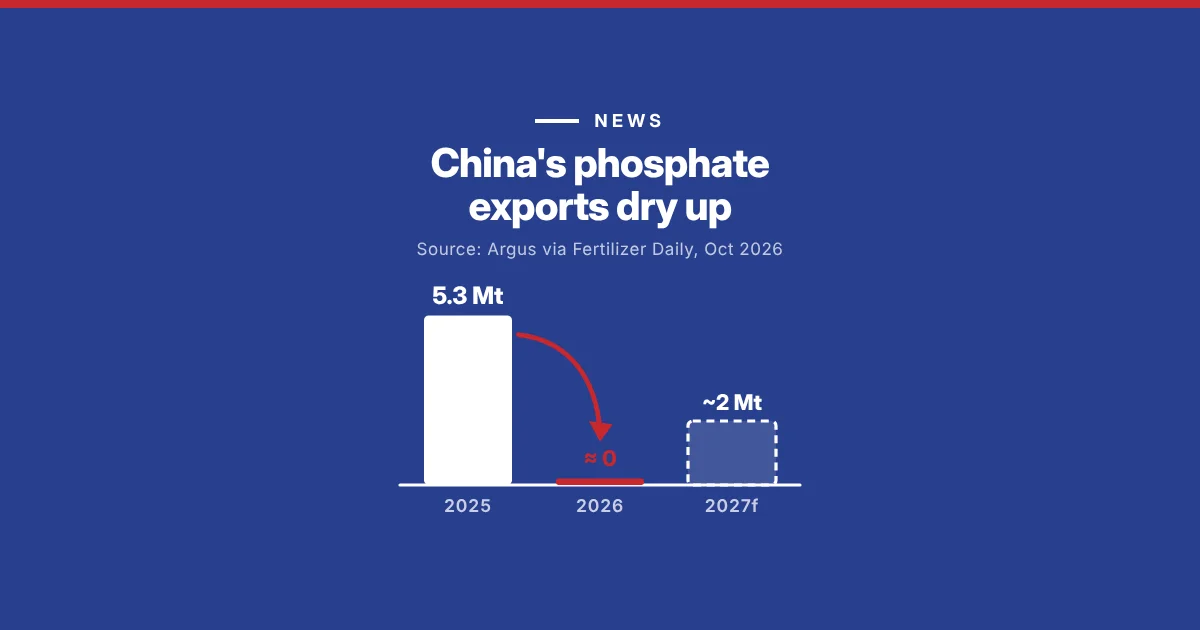
China, which exported about 5.3 million tonnes of phosphate fertilizer in 2025, has shipped almost none in 2026. With sulfur scarce and phosphate prices high, import-dependent markets face a tight season, and every kilo of phosphorus needs to work harder. At Van Polder, we believe a tight phosphate market is a reason to look again […]

If you are starting a banana farm, Panama disease (Fusarium wilt of banana) is the risk to plan for. How to prevent Panama disease in bananas comes down to keeping the fungus out, because no fertilizer prevents or cures it and once it is in the soil it stays for decades (Pegg et al., 2019; […]
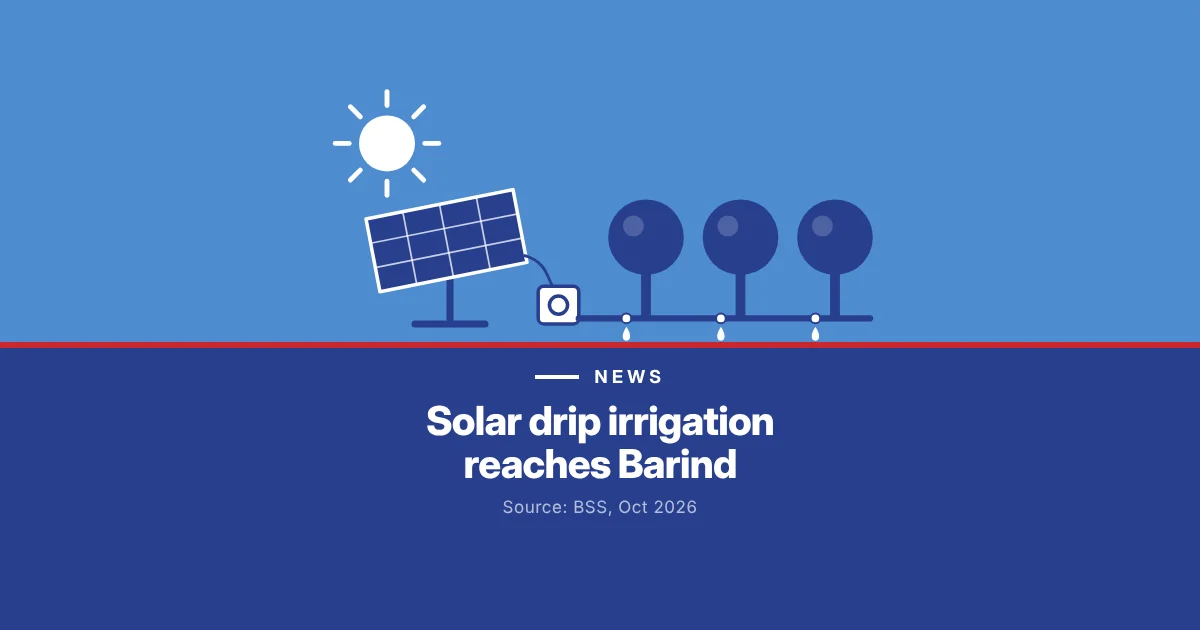
A government project in Bangladesh’s Rajshahi Division has brought solar-powered pumps, including solar drip systems for orchards, to drought-prone land where groundwater has been falling for decades. The Prime Minister wants all diesel irrigation pumps converted to solar within five years. For growers who move to drip, the next step is to feed the crop […]

Calcium deficiency in banana shows first on the youngest leaves, as thickened veins and a saw-tooth pattern of yellow and dead tissue along the leaf margin, and in severe cases as “spike leaf”, new leaves with little or no blade, and poor-quality fruit (Turner, 1987; Martin-Prével, 1980). On most plantation soils it is not a […]

A calcium fertilizer supplies the calcium that holds plant cell walls and membranes together, but whether it reaches the fruit depends as much on water flow as on the fertilizer you choose. Calcium travels with water to the leaves and barely moves out of them again, so fruit and young leaves can run short even […]

An unusually wet winter brought coffee flowering in Minas Gerais forward by about a month, in several separate waves. With October forecast to be hotter than normal and rain patchy, the question for 2027 is now how many of those flowers turn into fruit. At Van Polder, we believe a strong flowering is only the […]