







NPK 12-61-00 Uses for Stronger Roots and Maximum Yield
NPK 12-61-00, commonly supplied as Monoammonium Phosphate (MAP), contains 12% nitrogen (N) and 61% phosphate (P₂O₅). Its high phosphorus content makes it well suited to early crop development, supporting root growth and strong crop establishment. This guide covers the key applications of NPK 12-61-00 across different stages of crop growth. 1. Stimulating Root Development and […]


NPK 12-61-00, commonly supplied as Monoammonium Phosphate (MAP), contains 12% nitrogen (N) and 61% phosphate (P₂O₅). Its high phosphorus content makes it well suited to early crop development, supporting root growth and strong crop establishment. This guide covers the key applications of NPK 12-61-00 across different stages of crop growth.
1. Stimulating Root Development and Early Growth Stages
Establishing a Strong Root Foundation
- NPK 12-61-00 is particularly useful during the early growth stage, when phosphorus is important for establishing a healthy root system.
- Its high phosphorus content (61% P₂O₅) supports the formation of new roots and feeder roots, improving the plant’s capacity to absorb water and nutrients.
- The ammonium nitrogen (NH₄⁺) supplied by MAP can contribute to a mildly acidic environment around the root zone, which may help improve phosphorus availability in suitable soils.

Supporting Seedlings and Transplants
- Phosphorus supports ATP production, energy transfer, cell division, and tissue development in young plants.
- NPK 12-61-00 can support seedling establishment and help newly transplanted crops recover and resume growth.
- Its relatively low nitrogen-to-phosphorus ratio provides phosphorus-rich nutrition without encouraging excessive vegetative growth during early establishment.
High Solubility and Nutrient Availability
- NPK 12-61-00 is fully water-soluble, allowing its nutrients to dissolve readily and become available to plant roots when sufficient moisture is present.
- Its chloride-free formulation makes it suitable for crops where chloride input needs to be limited.
- The readily soluble nutrients make MAP suitable for applications such as fertigation and other water-based fertilizer programs.
2. Promoting Flowering and Enhancing Fruit Set
Supporting Flowering and Bud Development
- NPK 12-61-00 can be applied before and around the flowering stage when phosphorus demand increases for reproductive development.
- Its high phosphorus content (61% P₂O₅) supports flower bud development and helps promote more uniform flowering across the crop.
- Adequate phosphorus nutrition also supports the development of healthy flower structures and reproductive tissues.
Reducing Flower Drop and Supporting Fruit Set
- Phosphorus is involved in ATP production and energy transfer, providing the energy required for flowering, pollination, and early fruit development.
- Maintaining adequate phosphorus availability during the reproductive stage can help support flower retention and fruit set.
- Better fruit set can contribute to a greater number of marketable fruits and improved final yield.
Supporting Reproductive Growth Without Excessive Vegetative Growth
- With 12% nitrogen and 61% P₂O₅, NPK 12-61-00 provides a phosphorus-rich nutrient balance during the reproductive stage.
- Adequate phosphorus supports the movement of photosynthetic products, including sugars, from leaves toward developing flowers and fruits.
- This helps maintain a balance between vegetative growth and reproductive development during flowering and fruit formation.

3. Crops Best Suited for NPK 12-61-00 Fertilizer
NPK 12-61-00 can be used across a wide range of crops, particularly during stages when phosphorus is important for root development, flowering, and reproductive growth. The table below summarizes the main crop groups, examples, and key benefits of NPK 12-61-00 for each group.
| Crop Group | Examples | Main Benefits of NPK 12-61-00 |
| Vegetables | Tomatoes, onions, potatoes, chilies, carrots, broccoli, cucumbers, leafy vegetables | Supports root development, seedling establishment, and early growth. |
| Fruit Trees & Soft Fruits | Citrus, durian, dragon fruit, mango, grapes, strawberries, apples, bananas | Supports flower bud development, flowering, fruit set, and early fruit development. |
| Flowers & Ornamentals | Orchids, roses, chrysanthemums, hibiscus, lilies, tulips, bonsai | Supports root development, flower bud formation, and flowering. |
| Grains & Cereals | Rice, wheat, maize, barley | Supports root development, tillering, grain formation, and reproductive growth. |
| Oilseeds & Legumes | Soybeans, peanuts, pulses, beans | Supports root development, energy metabolism, flowering, and reproductive development. |
| Commercial & Industrial Crops | Coffee, pepper, rubber, sugarcane, cotton, tea, cocoa | Supports root development, crop establishment, and recovery during key growth stages. |

4. 3 Optimal Growth Stages for NPK 12-61-00 Application
NPK 12-61-00 can be applied at different stages depending on the crop’s nutritional requirements and development. The three growth stages below are particularly relevant for supplying phosphorus to support root establishment, flowering, and reproductive development.
4.1. Early Growth and Crop Establishment
At this stage, the priority is to provide sufficient phosphorus for root formation and early plant establishment.
- Applying NPK 12-61-00 after sowing or transplanting provides phosphorus when the developing root system requires adequate P.
- Its 61% P₂O₅ content supports ATP production, energy transfer, cell division, and new root development.
- For fruit trees and industrial crops, application at the beginning of the rainy season or after harvest can support root regeneration and crop recovery.

4.2. Pre-Flowering and Flower Bud Differentiation
As the crop approaches flowering, phosphorus supports the transition from vegetative growth toward reproductive development.
- Applying NPK 12-61-00 before flowering provides phosphorus during flower bud formation and reproductive preparation.
- Adequate phosphorus nutrition supports flower development and helps maintain a balance between vegetative and reproductive growth.
- Phosphorus is also involved in carbohydrate transport, helping supply energy and photosynthetic products to developing reproductive tissues.
4.3. Reproductive and Fruit/Seed Development
During reproductive growth, maintaining adequate phosphorus availability helps support the development of flowers, fruits, and seeds.
- Applying NPK 12-61-00 during this stage provides phosphorus for flowering, fruit set, and early fruit or seed development.
- Adequate phosphorus supports energy metabolism and the continued development of reproductive organs.
- Balanced nutrition during this period can help plants cope with environmental stress and support yield formation.
5. 4 Application Methods of NPK 12-61-00
NPK 12-61-00 can be delivered through several application methods, with the appropriate choice depending on the crop, growth stage, and growing conditions. The four methods below cover the main ways NPK 12-61-00 can be incorporated into crop nutrition programs.
5.1. Foliar Spraying
Foliar application can provide nutrients directly through the leaves and is useful when rapid nutrient delivery is needed.
- NPK 12-61-00 can be applied during stages such as flower bud development or when environmental conditions restrict nutrient uptake through the roots.
- A 0.5% solution (1 kg per 200 L of water) may be used for young, sensitive foliage, while more mature leaves may tolerate higher concentrations depending on the product label and crop.
- Spraying during cooler periods, such as early morning or late afternoon, can help reduce the risk of leaf injury.

5.2. Fertigation and Drip Irrigation
Because NPK 12-61-00 is fully water-soluble, it can be incorporated into irrigation systems for targeted nutrient delivery.
- Fertigation distributes dissolved nutrients directly to the root zone and allows applications to be adjusted according to crop requirements.
- Its moderately acidic nature can be useful in managing nutrient solutions, although compatibility with the irrigation system and other fertilizers should be checked.
- The method is particularly suitable for crops grown with drip irrigation and other controlled irrigation systems.
5.3. Soil Application
Soil application provides phosphorus to the root zone and can be used as a starter or basal fertilizer.
- NPK 12-61-00 can be applied at planting to supply phosphorus during early root establishment.
- Placement near, but not directly in contact with, the seed or roots can improve nutrient access while reducing unnecessary fertilizer use.
- Application rates and placement should be adjusted according to soil phosphorus status, crop requirements, and local recommendations.
5.4. Hydroponics and Controlled Environments
NPK 12-61-00 can also be incorporated into nutrient programs where nitrogen and phosphorus concentrations need to be carefully managed.
- Its water solubility allows it to dissolve readily in nutrient solutions.
- It can be used for crops grown in hydroponic and greenhouse systems when the nutrient formulation is designed to meet the crop’s complete nutritional requirements.
- Before use, compatibility with other components of the nutrient solution should be confirmed.
Important Compatibility Note: NPK 12-61-00 should not be mixed in the same concentrated tank with calcium- or magnesium-containing fertilizers unless compatibility has been confirmed. Such combinations can form insoluble compounds that may clog irrigation equipment and reduce nutrient availability; separate tanks or separate applications may be required.
NPK 12-61-00 provides a concentrated source of nitrogen and phosphorus that can support key stages of crop development, from root establishment and early growth to flowering and fruit or seed formation. When incorporated into a balanced crop nutrition program, NPK 12-61-00 can help plants meet their phosphorus requirements while supporting consistent growth and yield development.


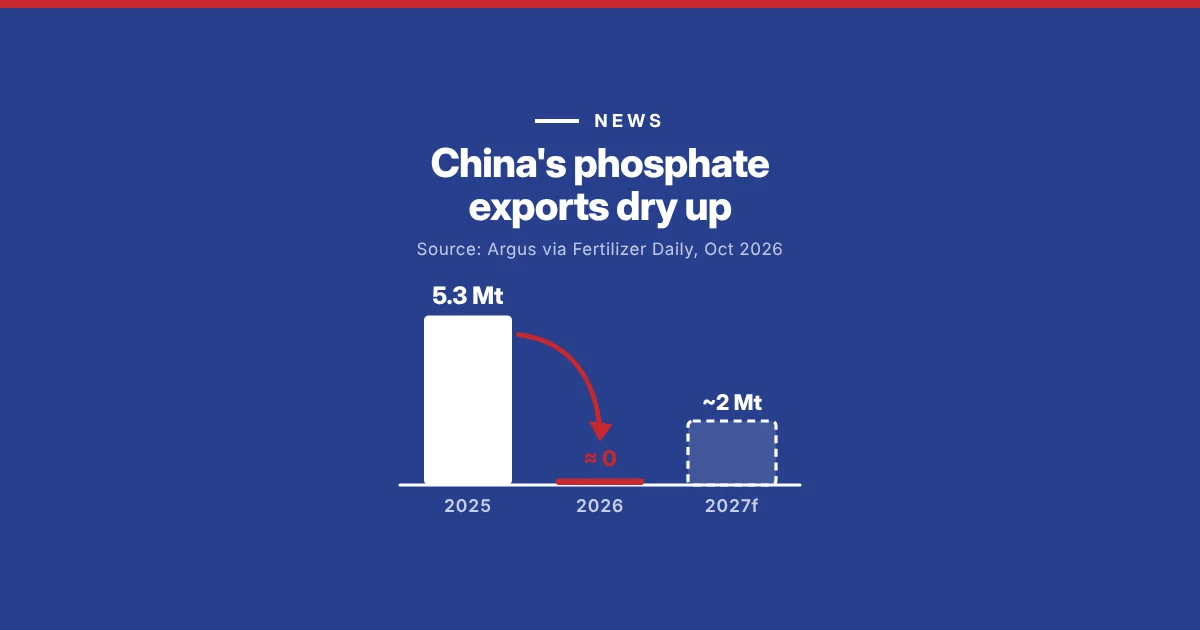
China, which exported about 5.3 million tonnes of phosphate fertilizer in 2025, has shipped almost none in 2026. With sulfur scarce and phosphate prices high, import-dependent markets face a tight season, and every kilo of phosphorus needs to work harder. At Van Polder, we believe a tight phosphate market is a reason to look again […]
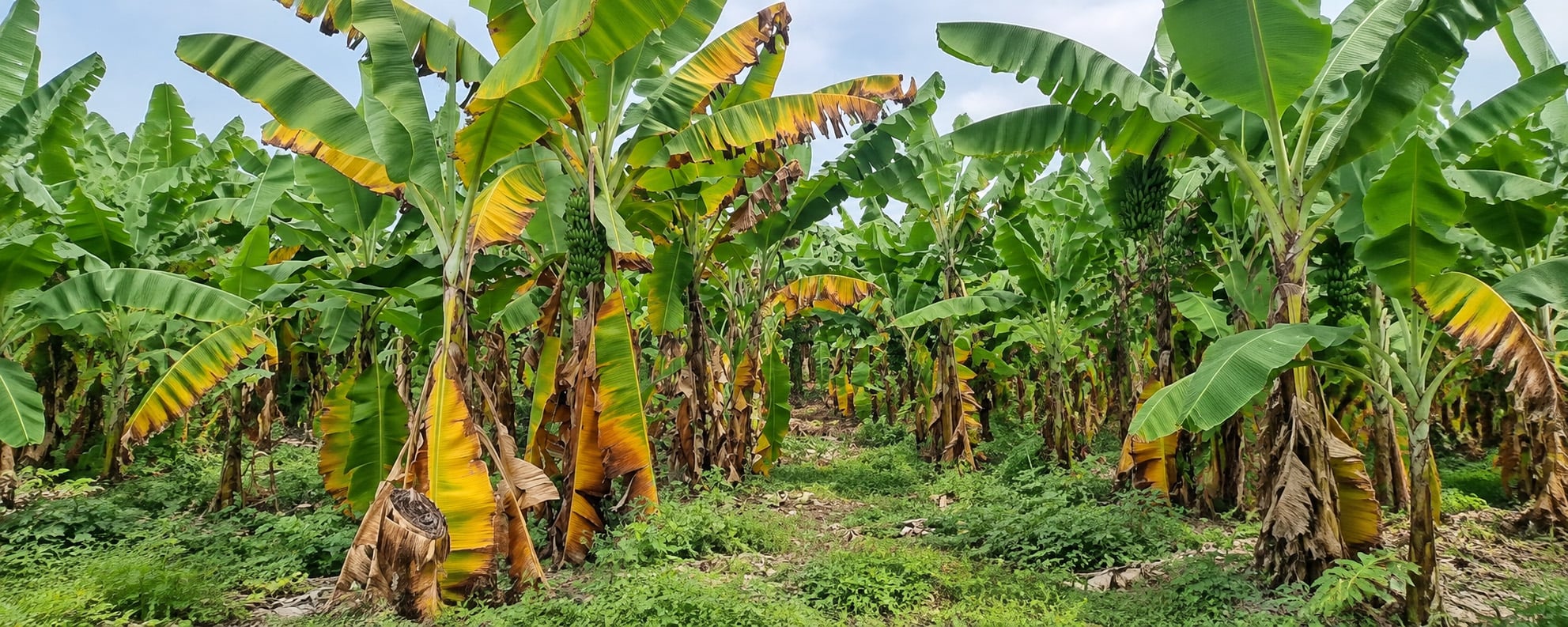
If you are starting a banana farm, Panama disease (Fusarium wilt of banana) is the risk to plan for. How to prevent Panama disease in bananas comes down to keeping the fungus out, because no fertilizer prevents or cures it and once it is in the soil it stays for decades (Pegg et al., 2019; […]
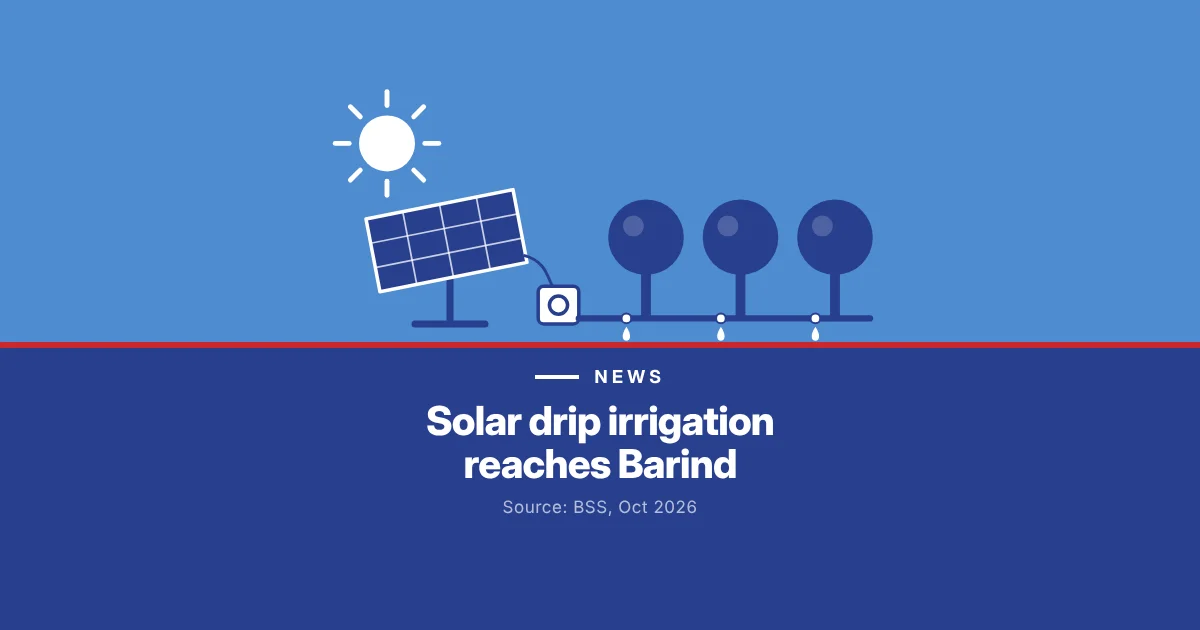
A government project in Bangladesh’s Rajshahi Division has brought solar-powered pumps, including solar drip systems for orchards, to drought-prone land where groundwater has been falling for decades. The Prime Minister wants all diesel irrigation pumps converted to solar within five years. For growers who move to drip, the next step is to feed the crop […]
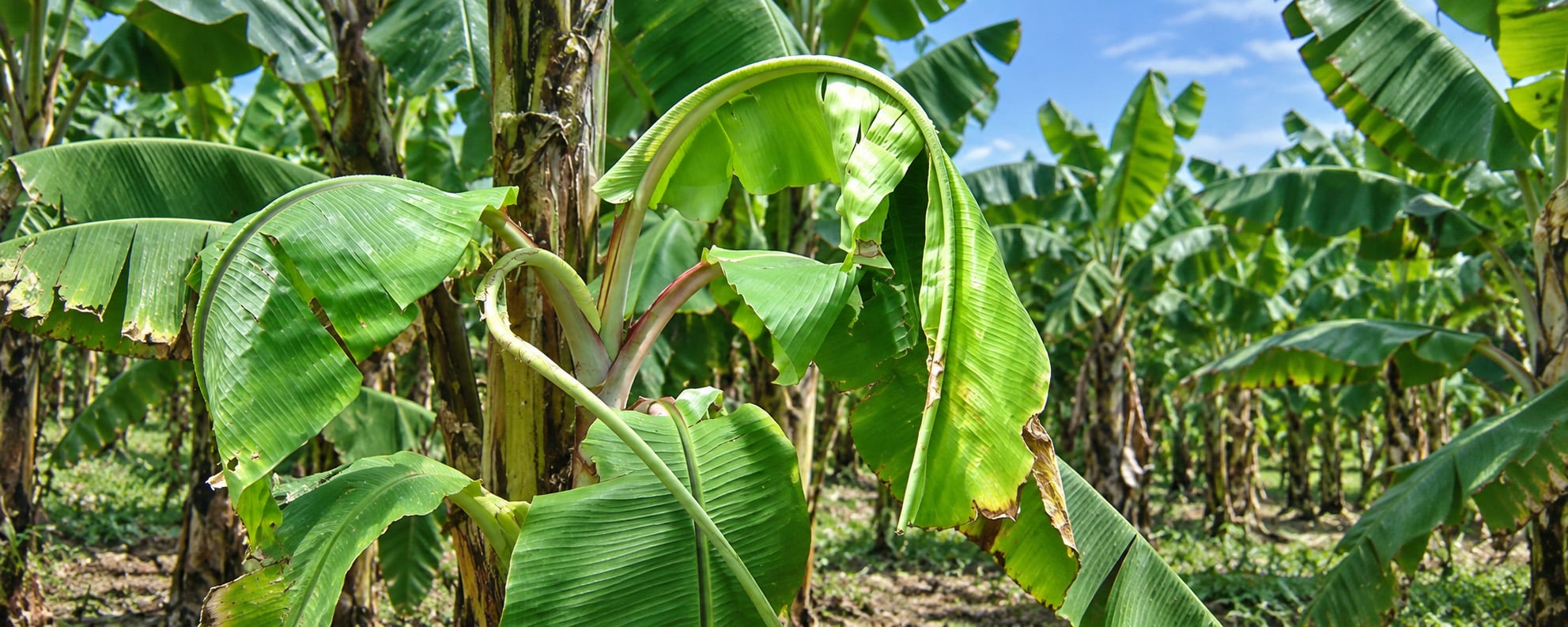
Calcium deficiency in banana shows first on the youngest leaves, as thickened veins and a saw-tooth pattern of yellow and dead tissue along the leaf margin, and in severe cases as “spike leaf”, new leaves with little or no blade, and poor-quality fruit (Turner, 1987; Martin-Prével, 1980). On most plantation soils it is not a […]
A calcium fertilizer supplies the calcium that holds plant cell walls and membranes together, but whether it reaches the fruit depends as much on water flow as on the fertilizer you choose. Calcium travels with water to the leaves and barely moves out of them again, so fruit and young leaves can run short even […]
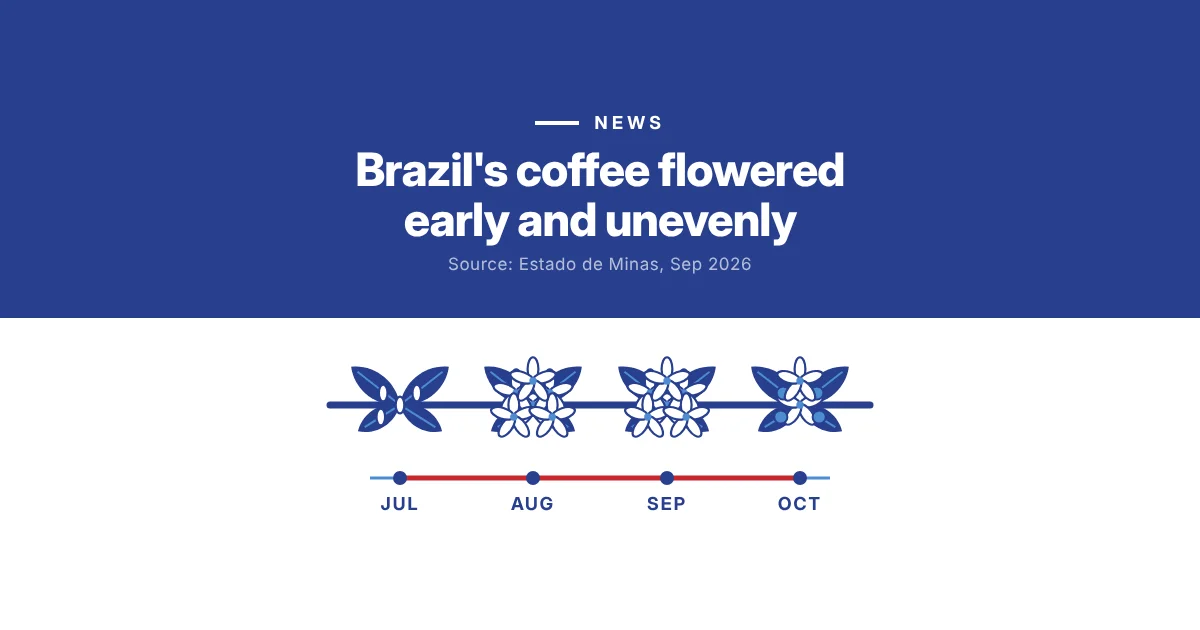
An unusually wet winter brought coffee flowering in Minas Gerais forward by about a month, in several separate waves. With October forecast to be hotter than normal and rain patchy, the question for 2027 is now how many of those flowers turn into fruit. At Van Polder, we believe a strong flowering is only the […]