







4 Main Uses of NPK 20-20-20 Fertilizer to Boost Plant Growth and Yield
NPK 20-20-20 fertilizer supplies nitrogen, phosphorus, and potassium in a balanced 1:1:1 ratio, making it a practical option when plants require relatively even nutrient support. Its value lies in how this balanced formulation can be used to address different growth requirements throughout the crop cycle. This article explores four main uses of NPK 20-20-20 fertilizer […]


NPK 20-20-20 fertilizer supplies nitrogen, phosphorus, and potassium in a balanced 1:1:1 ratio, making it a practical option when plants require relatively even nutrient support. Its value lies in how this balanced formulation can be used to address different growth requirements throughout the crop cycle. This article explores four main uses of NPK 20-20-20 fertilizer and explains how to apply it effectively while avoiding nutrient imbalances and over-fertilization.
1. Promoting Balanced and Uniform Growth
Balanced Nutrition
Plants require an adequate supply of primary macronutrients to maintain steady growth and develop properly. NPK 20-20-20 provides nitrogen, phosphorus, and potassium in an equal 1:1:1 ratio, making it a practical option when nutrient demand is relatively even. However, this ratio does not automatically suit every crop or growth stage, so application should still be based on crop requirements and soil fertility.

The Synergistic Role of Each Macronutrient
Although each nutrient performs a different function, nitrogen, phosphorus, and potassium work together to support overall plant development:
- Nitrogen (N): Supports chlorophyll and protein formation, photosynthesis, leaf development, and active vegetative growth.
- Phosphorus (P): Supports energy transfer, cell division, root development, and reproductive growth. Adequate phosphorus can also improve root length, surface area, volume, and dry weight when phosphorus availability is limited.
- Potassium (K): Supports enzyme activation, photosynthesis, water regulation, and the transport of sugars and other metabolites. It also contributes to stem strength and helps plants maintain physiological functions under environmental stress.
Reducing the Risk of Growth Disorders and Nutrient Imbalances
A balanced NPK formulation can help reduce growth problems associated with an inadequate or disproportionate supply of primary nutrients. However, it does not replace soil testing or crop-specific nutrient management.
- Nitrogen deficiency commonly causes slow growth, smaller leaves, and yellowing that often begins with older foliage. Excessive nitrogen can encourage soft vegetative growth, delay flowering and maturity, and increase the risk of lodging and certain diseases.
- Phosphorus deficiency may restrict root development and cause slow or stunted growth. Purplish or dark green foliage can also occur, particularly under cold or waterlogged conditions.
- Potassium deficiency can cause yellowing and browning along leaf margins, weaker stems, and reduced tolerance to drought and other stresses.
By supplying the three primary macronutrients in equal proportions, NPK 20-20-20 can support more uniform development when the formulation matches the crop’s requirements. Application rate and timing should be adjusted according to the crop, growth stage, soil fertility, and other nutrient needs.
2. Soil and Plant Maintenance
Supporting Soil Biology
Although NPK 20-20-20 is primarily used to supply nutrients directly to plants, balanced fertilization can also support soil biological activity indirectly. Adequate nitrogen, phosphorus, and potassium promote stronger root systems and more active plant growth. These roots release organic compounds into the surrounding soil, while older roots and plant residues contribute additional organic material as they decompose.
This process provides substrates that support soil microorganisms and their enzymatic activities. Adequate potassium nutrition may also help maintain beneficial rhizobacteria populations involved in nutrient cycling and plant growth. However, mineral NPK fertilizer does not replace the role of organic matter. Compost, well-decomposed crop residues, and other organic amendments remain important for improving soil structure, supplying organic carbon, and supporting long-term microbial diversity.
Managing the Risks of Over-Application
Although NPK 20-20-20 contains nitrogen, phosphorus, and potassium in an equal ratio, excessive application can still create nutrient imbalances and damage plants or the surrounding environment.
- Excessive nitrogen: Too much nitrogen can encourage soft vegetative growth, delay flowering and maturity, weaken plant structure, and create a dense canopy that favors certain diseases. Surplus nitrogen can also move beyond the root zone and contribute to groundwater contamination.
- Excessive phosphorus: Phosphorus can accumulate in soil when applied beyond crop requirements. Although it is relatively immobile in many soils, accumulated phosphorus may be transported through runoff and contribute to nutrient enrichment and algal growth in nearby water bodies. The risk of unwanted elements accumulating in soil also depends on the fertilizer source.
- Excessive potassium: Applying potassium beyond crop requirements can interfere with the uptake of other nutrients, particularly calcium and magnesium, potentially reducing plant performance.
- Salt damage and foliar burn: Concentrated fertilizer applied too close to seeds, young roots, or sensitive tissues can cause salt injury and reduce germination or root growth. Foliar applications should follow the product label and crop tolerance. Spraying during hot, sunny conditions can increase the risk of leaf burn, so applications are generally better made during cooler periods when plants are adequately hydrated.
For effective soil and plant maintenance, NPK 20-20-20 should be applied according to crop demand, soil fertility, and the recommended rate. A balanced formulation can support healthy growth, but excessive application may create new problems rather than improve plant performance.

3. Recovery Post-Repotting or Post-Disease
After repotting, transplanting, or disease-related stress, NPK 20-20-20 can support plant recovery through three complementary functions:
- Root Regeneration (P): Phosphorus supports root architecture, expands root surface area, and improves water and nutrient uptake. In controlled greenhouse experiments on phosphorus-deficient soils, phosphate application increased root dry weight by 55% – 58% and total root length by 101% – 142% compared with unfertilized plants. These findings indicate that adequate phosphorus can help recovering plants re-establish more effectively when phosphorus availability is limiting.
- Stem Strength & Resistance (K): Potassium contributes to lignin biosynthesis, cell-wall development, and water regulation, helping strengthen stems and reduce lodging risk as new growth resumes. Potassium deficiency can weaken plant tissues and increase susceptibility to lodging, drought stress, and certain diseases.
- Vegetative Flush (N) with Caution: Nitrogen supports chlorophyll and protein formation, as well as the development of new leaves and shoots needed to rebuild lost biomass. However, excessive nitrogen can produce soft, succulent growth, delay maturity, and create a dense canopy that increases the risk of disease recurrence. Supplying nitrogen alongside phosphorus and potassium can support vegetative recovery while helping maintain balanced tissue development.

4. Addressing Stunted Growth of Unknown Cause
When plants show stunted growth, thin stems, or leaf chlorosis without a clear diagnostic cause, identifying the underlying problem can be challenging because these symptoms may result from several nutrient deficiencies. Nitrogen and phosphorus deficiency, for example, can both cause severe growth restriction and weak stems.
- Use balanced nutrition: Water-soluble NPK 20-20-20 can serve as a temporary nutritional measure when the primary deficiency has not yet been identified.
- Avoid excessive single-nutrient application: Applying a high-analysis fertilizer containing only one nutrient may worsen an existing imbalance or further alter soil chemistry.
- Consider root health: If stunted growth is caused by active fungal or bacterial root pathogens, excessive fertilization, particularly nitrogen, may promote soft growth and increase disease susceptibility.
- Confirm the underlying cause: Soil and tissue testing remain the most reliable methods for identifying the cause of persistent stunted growth and selecting an appropriate long-term treatment.

5. Best Practices and Precautions for Using NPK 20-20-20 Fertilizer
To improve nutrient use efficiency and reduce the risk of plant damage, NPK 20-20-20 should be applied at appropriate rates, growth stages, and application methods.
Application Methods and Dosages
- Soil application: For fully water-soluble NPK 20-20-20, follow the manufacturer’s recommended rate. A typical maintenance rate is 3 – 5 kg/ha, while the higher 200 – 400 kg/ha range generally applies to granular fertilizers used in broad-acre farming. Do not apply these rates interchangeably. Granular fertilizer should be incorporated into the soil or followed by irrigation within 1 – 2 days to reduce nutrient losses.
- Fertigation: Apply approximately 1 – 2 g/L, equivalent to 1 – 2 kg per 1,000 L of water, when supported by the product label. Use fully water-soluble fertilizer, inject it during the irrigation cycle, and continue irrigation afterward to move nutrients into the active root zone. Adjust the rate according to crop demand and monitor EC where appropriate.
- Foliar spraying: Use 1 – 2 g/L as a conservative starting point when supported by the product label. Begin with a lower concentration and test on a small area before wider application. Avoid excessive rates, particularly on young or drought-stressed foliage, to reduce the risk of leaf burn.
Application Timing and Crop Considerations
- Optimal growth stages: Apply NPK 20-20-20 during active vegetative growth and early fruit or tuber development, when balanced nutrient demand is high. Balanced NPK nutrition during flowering may support reproductive development and reduce flower and fruit drop when nutrient deficiency is a contributing factor. However, excessive nitrogen supplied alone can promote excessive vegetative growth and delay fruit maturity.
- Time of day: Apply foliar sprays during cooler periods, preferably in the early morning or late afternoon. Avoid midday heat, strong winds, and spraying immediately before rainfall.
- Soil and crop compatibility: NPK 20-20-20 is suitable for nutrient-demanding crops such as eggplant, potatoes, tomatoes, and celery. Assess soil pH before application, as highly acidic or alkaline conditions can reduce phosphorus availability, while high pH can restrict iron uptake. Correcting soil pH may improve nutrient availability.

NPK 20-20-20 fertilizer can support root development, vegetative growth, and crop recovery when applied according to crop needs and product instructions. Selecting the right formulation, dosage, timing, and application method helps improve nutrient uptake while reducing the risk of salt injury, nutrient loss, and unnecessary expense.


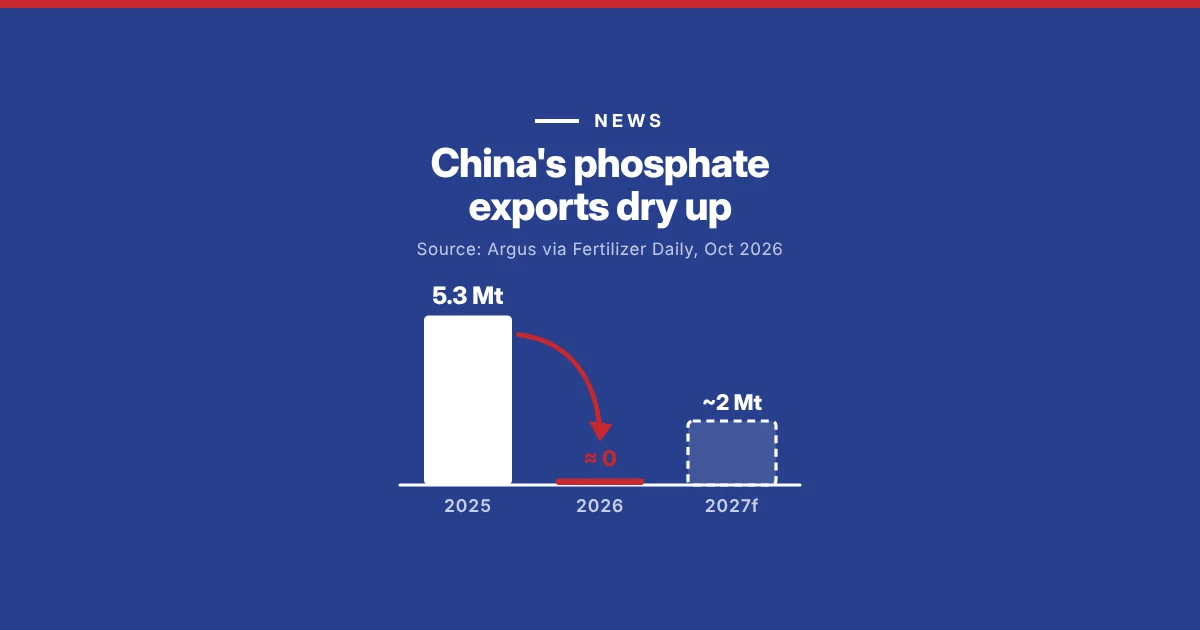
China, which exported about 5.3 million tonnes of phosphate fertilizer in 2025, has shipped almost none in 2026. With sulfur scarce and phosphate prices high, import-dependent markets face a tight season, and every kilo of phosphorus needs to work harder. At Van Polder, we believe a tight phosphate market is a reason to look again […]

If you are starting a banana farm, Panama disease (Fusarium wilt of banana) is the risk to plan for. How to prevent Panama disease in bananas comes down to keeping the fungus out, because no fertilizer prevents or cures it and once it is in the soil it stays for decades (Pegg et al., 2019; […]
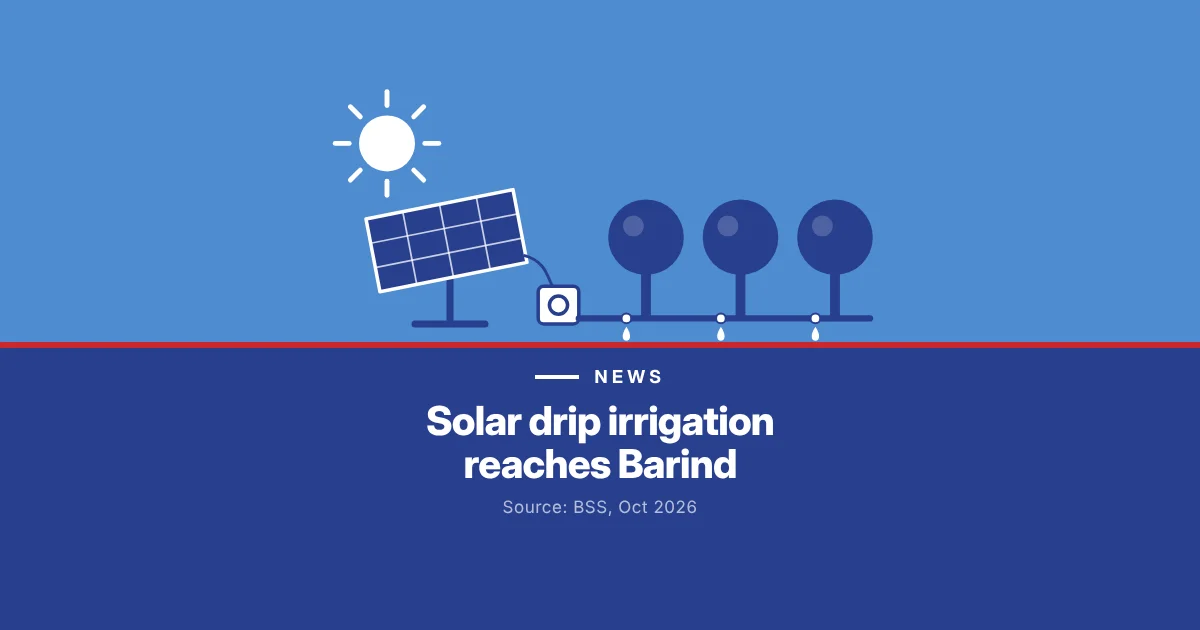
A government project in Bangladesh’s Rajshahi Division has brought solar-powered pumps, including solar drip systems for orchards, to drought-prone land where groundwater has been falling for decades. The Prime Minister wants all diesel irrigation pumps converted to solar within five years. For growers who move to drip, the next step is to feed the crop […]
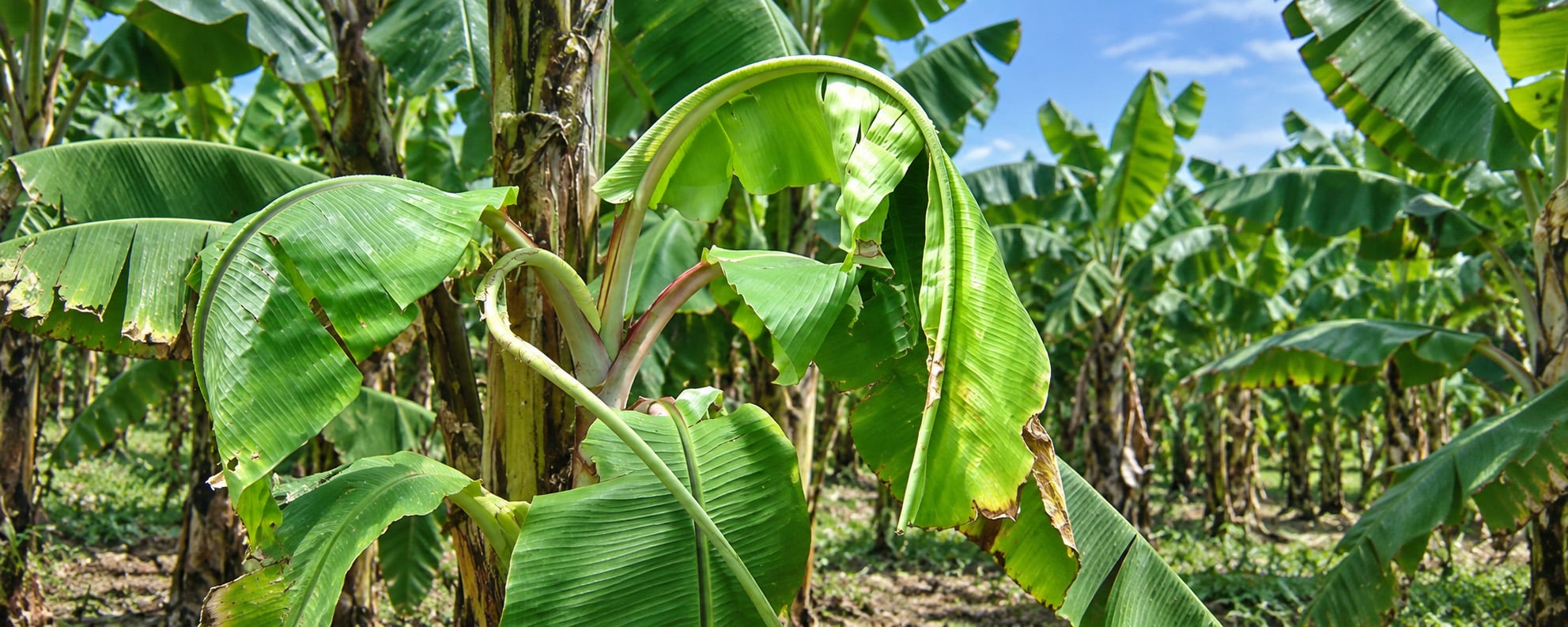
Calcium deficiency in banana shows first on the youngest leaves, as thickened veins and a saw-tooth pattern of yellow and dead tissue along the leaf margin, and in severe cases as “spike leaf”, new leaves with little or no blade, and poor-quality fruit (Turner, 1987; Martin-Prével, 1980). On most plantation soils it is not a […]
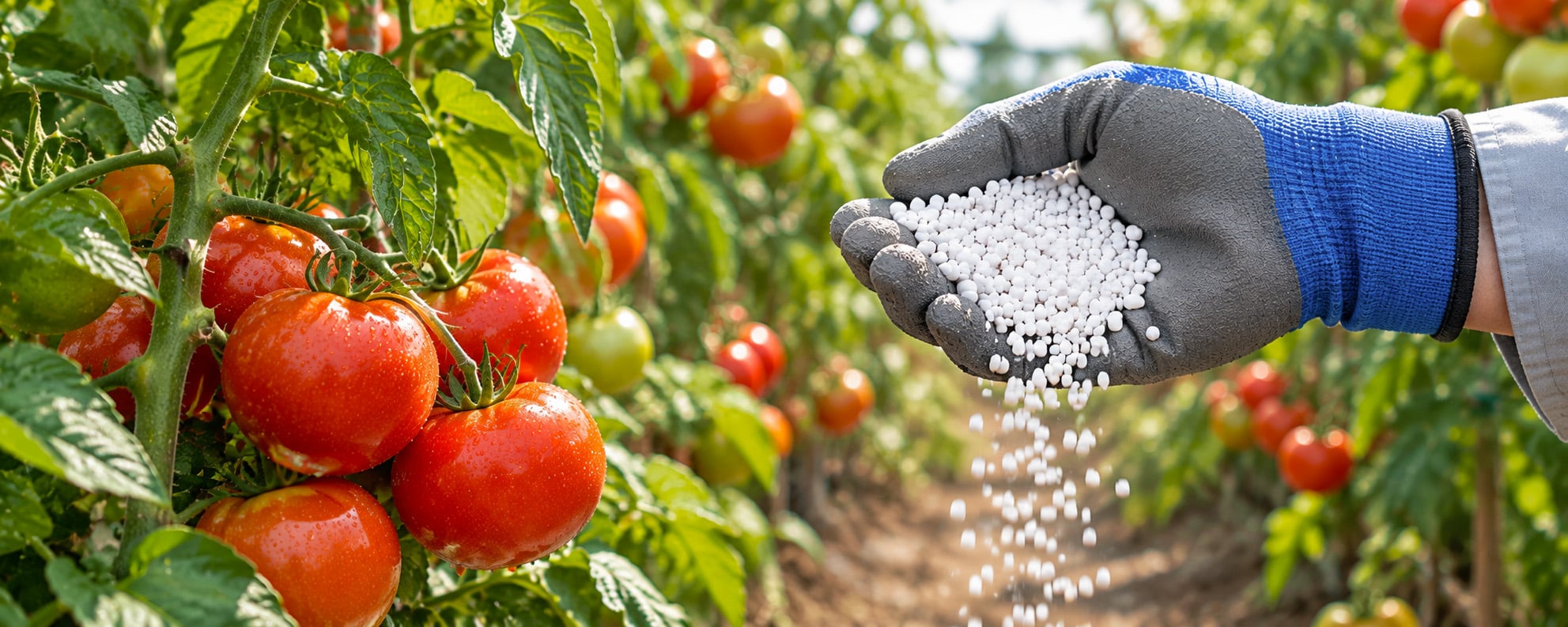
A calcium fertilizer supplies the calcium that holds plant cell walls and membranes together, but whether it reaches the fruit depends as much on water flow as on the fertilizer you choose. Calcium travels with water to the leaves and barely moves out of them again, so fruit and young leaves can run short even […]
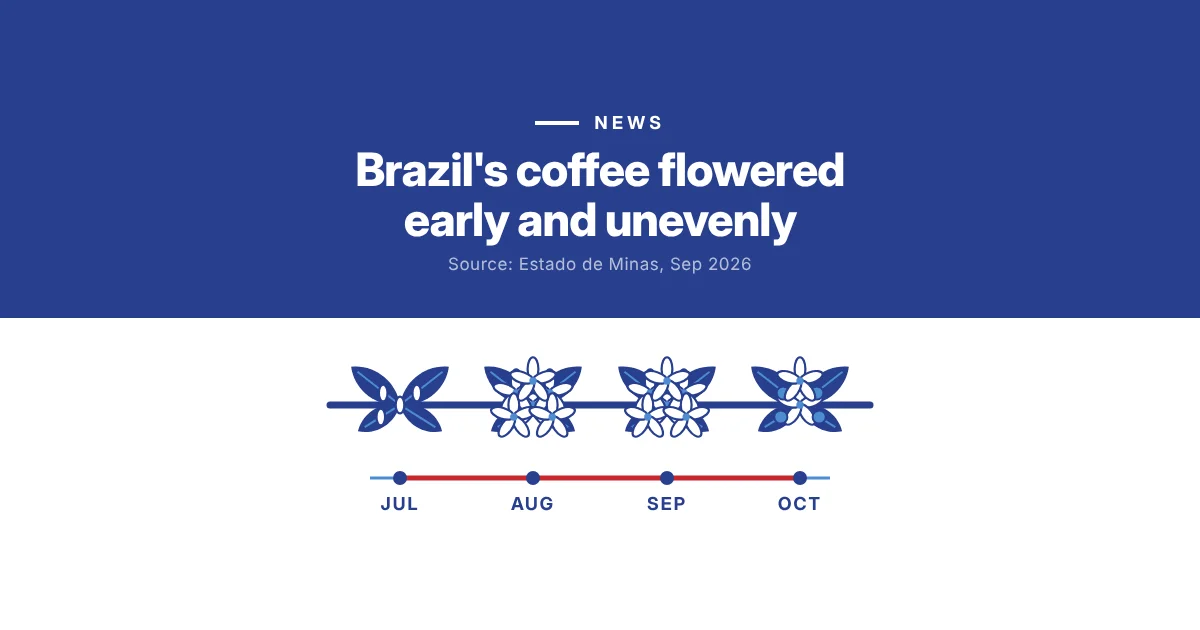
An unusually wet winter brought coffee flowering in Minas Gerais forward by about a month, in several separate waves. With October forecast to be hotter than normal and rain patchy, the question for 2027 is now how many of those flowers turn into fruit. At Van Polder, we believe a strong flowering is only the […]