







NPK 20-20-20 Fertilizer: What is it, Benefits & Usage
NPK 20-20-20 fertilizer is a balanced compound fertilizer that supplies equal proportions of nitrogen, phosphorus, and potassium. It is commonly used to support healthy plant growth and address nutrient deficiencies. This guide explains its key benefits, application methods, and important considerations for effective use. 1. What Is NPK 20-20-20 Fertilizer? The numbers 20-20-20 indicate the […]


NPK 20-20-20 fertilizer is a balanced compound fertilizer that supplies equal proportions of nitrogen, phosphorus, and potassium. It is commonly used to support healthy plant growth and address nutrient deficiencies. This guide explains its key benefits, application methods, and important considerations for effective use.
1. What Is NPK 20-20-20 Fertilizer?
The numbers 20-20-20 indicate the guaranteed nutrient content by weight. Under international fertilizer labeling standards, these three numbers are printed in the N-P-K sequence, with each number representing 20% of the fertilizer’s total weight and giving the formula a 1:1:1 nutrient ratio.
The first number refers to nitrogen (N), while the second and third represent phosphate (P₂O₅) and potash (K₂O). These values are not equivalent to the elemental amounts of phosphorus and potassium, as both nutrients are declared in oxide forms.
1.1. What Do the Numbers 20-20-20 Mean?
To apply this fertilizer effectively, growers must understand how these numbers are calculated on the label and how each nutrient functions within the plant.
The Labeling Language: Oxide vs. Elemental Forms
A common point of confusion is assuming that the numbers on the bag represent pure, elemental forms of each nutrient. While Nitrogen (N) is expressed as elemental nitrogen, Phosphorus and Potassium are measured and guaranteed in their oxide forms – Phosphate (P₂O₅) and Potash (K₂O), respectively.
- Phosphorus (P₂O₅) is actually about 43.6% elemental phosphorus. Therefore, a 20% P₂O₅ guarantee means the fertilizer contains approximately 8.7% elemental phosphorus.
- Potassium (K₂O) is about 83% elemental potassium. A 20% K₂O guarantee translates to roughly 16.6% elemental potassium.

The Three Pillars of Plant Growth
- Nitrogen (N) 20% – The Leaf and Canopy Builder: Nitrogen is essential for chlorophyll production and protein synthesis, supporting vegetative growth, leaf development, and canopy formation. Deficiency causes slow growth, smaller leaves, and pale green or yellowish foliage, often beginning with older leaves.
- Phosphorus (P₂O₅) 20% – The Energy and Root Architect: Phosphorus supports energy transfer through ATP, root development, and flower bud initiation. Deficiency can cause stunted growth, thin stems, and dark green or purplish foliage.
- Potassium (K₂O) 20% – The Quality and Stress Shield: Potassium regulates water balance and sugar transport, supporting fruit quality and plant tolerance to drought and cold. Deficiency commonly causes yellowing and tissue death along leaf edges, known as leaf firing.
1.2. Two Common Forms of NPK 20-20-20
Depending on your farm’s setup, irrigation infrastructure, and crop types, NPK 20-20-20 is manufactured in two primary physical forms:
Compound / Granular NPK 20-20-20
- What it is: These are dry, solid granules designed for direct soil application.
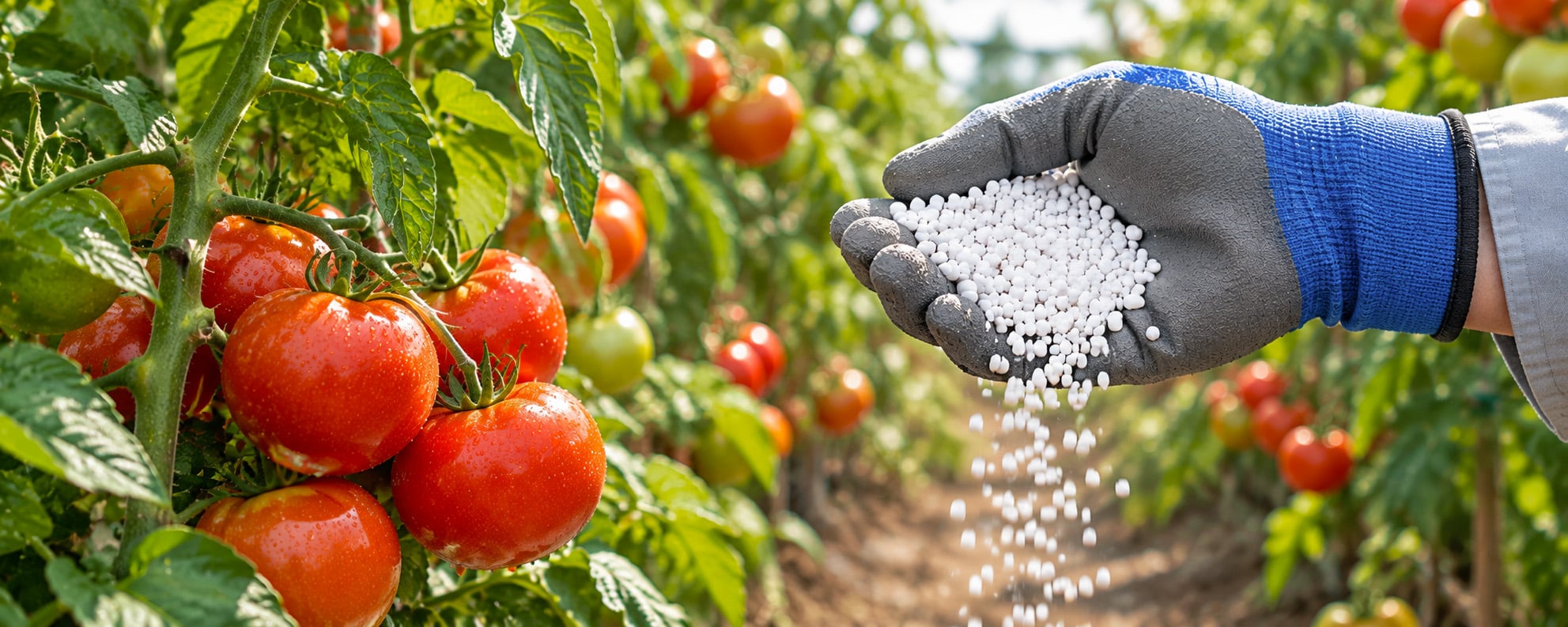
- How it is used: It is broadcast across fields and mixed into the top 0 – 20 cm of soil before planting, or banded near established plants. It is highly practical for large-scale, rain-fed field crops such as wheat, barley, or potatoes.
- Crucial Grower Tips:
- Granular soil application is generally less efficient than liquid application, achieving an absorption rate of 60% to 70%.
- Because the nitrogen in these granules often comes from urea or ammonium, leaving granules dry on the surface of neutral or alkaline soils can cause nitrogen to escape into the air as ammonia gas ( volatilization). To prevent this loss, always incorporate the granules into the soil or irrigate within 1 to 2 days of application.
Water-Soluble Complex NPK 20-20-20
- What it is: A high-purity, fine powder or crystal that dissolves 100% in water without leaving any solid residues.
- How it is used: It is engineered specifically for pressurized liquid systems, including drip irrigation (fertigation) and foliar spraying (leaf feeding).
- Crucial Grower Tips:
- Liquid delivery places nutrients directly in the active root zone, boosting plant absorption efficiency to 90% to 95%.
- In B2B agricultural input markets, water-soluble NPK 20-20-20 is often fortified with chelated trace elements(or microelements like EDTA-chelated Iron, Zinc, Manganese, and Copper). These chelates prevent microelements from reacting with other soil chemicals and precipitating, ensuring a complete, highly bioavailable nutrient package for high-value export crops.
2. Key Benefits of NPK 20-20-20
By supplying the three primary macronutrients in equal, balanced measures, NPK 20-20-20 offers several outstanding advantages to modern agricultural operations:
- Promotes Balanced and Uniform Growth: Unlike highly specialized formulas that push plants toward heavy foliage or rapid ripening, NPK 20-20-20 supports the development of leaves, roots, flowers, and fruits at a steady, natural pace. This balanced growth helps prevent common problems such as“lodging”(where weak stems cause plants to fall over) or delayed flowering caused by excessive, unbalanced Nitrogen.
- Simplifies Your Fertilization Routine: Managing multiple single-nutrient bags, such as urea or superphosphate, requires complicated calculations and carries a high risk of mixing errors on the farm. Using a single, complete formula saves valuable time, lowers labor requirements, simplifies storage, and reduces overall transportation costs.
- Provides Rapid Deficit Relief: High-quality NPK 20-20-20 is 100% water-soluble, meaning it dissolves completely without leaving particles behind and allows nutrients to be absorbed by both plant roots and leaves. It can serve as a highly effective“first-aid” spray during stressful times, such as cold weather, waterlogged soils, or sudden mid-season nutrient depletion, when plant roots struggle to absorb nutrients from the soil.
- Boosts Harvest Yields and Crop Quality: Advanced formulas of NPK 20-20-20 are fortified with chelated micronutrients, such as Iron, Zinc, and Manganese, that are chemically “shielded” so they do not get locked up in the soil. In a detailed field study on eggplants, applying a micronutrient-embedded NPK spray increased the nutritional value of the harvest, raising concentrations of Zinc (+34%), Iron (+26%), Copper (+24%), and Manganese (+27%).
- Highly Versatile for Every Grower: NPK 20-20-20 is a truly universal product, highly compatible with nearly every plant group, making it a reliable crop-protection tool for field crops (like wheat and corn), vegetables (tomatoes, cucumbers), orchard fruit trees, and ornamental flowers.
For a closer look at the practical uses of NPK 20-20-20, explore its applications here.

3. How to Apply NPK 20-20-20 Fertilizer Correctly
Plants absorb nutrients through two main pathways: their root systems in the soil and their leaves. To get the most value out of NPK 20-20-20, growers must understand how to balance these two entry points.
During the 1950s, Dr. H. B. Tukey and Dr. S. H. Wittwer at Michigan State University used radioactive isotopes to study how nutrients move through plants. Their experiments showed that nutrients sprayed onto leaves could be absorbed and transported through the plant rapidly, sometimes reaching up to one foot per hour, while foliar feeding was reported to achieve about 95% nutrient-use efficiency, compared with about 10% for traditional dry soil applications.
However, foliar feeding is a supplemental treatment, not a replacement for soil application. Plants require Nitrogen, Phosphorus, and Potassium in large quantities, so soil application and fertigation must remain the primary methods of supplying nutrients throughout the growing season.
The three main application methods differ in how they deliver nutrients, their recommended rates, and the situations in which they are most suitable. The table below summarizes these differences before the detailed application guidance.
Method 1: Soil Application
- Suitable for: Large-scale, rain-fed field crops.
- Recommended rate: Apply 300 – 500 kg/ha of granular NPK 20-20-20 before planting.
- Application steps:
- Broadcast the fertilizer evenly over the soil surface.
- Plow or disk it into the top 0 – 20 cm of soil.
- For side-dressing, apply the fertilizer around established plants, 15 – 20 cm away from the main stem.
- Timing and frequency: Apply before planting or during active crop growth when additional nutrients are required.
- Key precautions: When the fertilizer contains urea- or ammonium-based nitrogen, incorporate it into the soil or irrigate within 1 – 2 days to reduce ammonia volatilization on neutral or alkaline soils.
Method 2: Drip Irrigation / Fertigation
- Suitable for: Vegetables, orchard trees, and crops grown under irrigation.
- Recommended rate: Dissolve 2 – 5 kg of water-soluble NPK 20-20-20 in 1,000 L of irrigation water, equivalent to a 0.2 – 0.5% solution.
- Application steps:
- Run clean water through the system for 15 – 20 minutes.
- Inject the fertilizer solution for 30 – 45 minutes.
- Flush the system with clean water for 10 – 15 minutes.
- Timing and frequency:
- Vegetables such as tomatoes and cucumbers: once or twice weekly.
- Orchard trees: every 10 – 14 days.
- Key precautions: Use a fully water-soluble fertilizer to reduce the risk of mineral buildup, algae growth, and emitter clogging.

Method 3: Foliar Spray
- Suitable for: Crops experiencing sudden nutrient deficiencies or stress, including cold conditions, waterlogged soil, and root damage.
- Recommended rate:
- Vegetables and sensitive foliage: 2 – 3 g/L.
- Fruit trees and woody plants: 3 – 5 g/L.
- Application steps:
- Prepare the spray solution at the recommended concentration.
- Apply as a fine mist.
- Spray both leaf surfaces thoroughly, especially the undersides where stomata are more concentrated.
- Timing and frequency: Spray early in the morning from 6 – 9 AM or in the late afternoon/evening from 4 – 6 PM. Avoid spraying during midday heat.
- Key precautions:
- Use foliar feeding as a supplemental or emergency treatment, not as a replacement for soil fertilization.
- Avoid spraying young seedlings and plants in full bloom.
4. FAQ
4.1. What plants is 20-20-20 fertilizer good for?
NPK 20-20-20 is a balanced, versatile fertilizer suitable for most plants, including field crops, vegetables, legumes, fruit trees, ornamentals, flowers, and lawns. It supports crops such as wheat, corn, rice, tomatoes, peppers, citrus, apples, grapes, roses, and potted plants.
4.2. What is the best time to apply for NPK?
Apply phosphorus mainly before planting or at planting to support early root development, as it moves slowly through the soil. Nitrogen and potassium should be applied in split doses, with the main applications scheduled before and during the crop’s rapid vegetative growth stage.
NPK 20-20-20 is a balanced fertilizer that provides essential nutrients for healthy growth, strong root development, and improved crop quality. Its effectiveness depends on selecting the appropriate application method, dosage, and timing according to the crop’s growth stage and nutrient requirements. When used correctly, it can support efficient nutrient management across a wide range of crops.


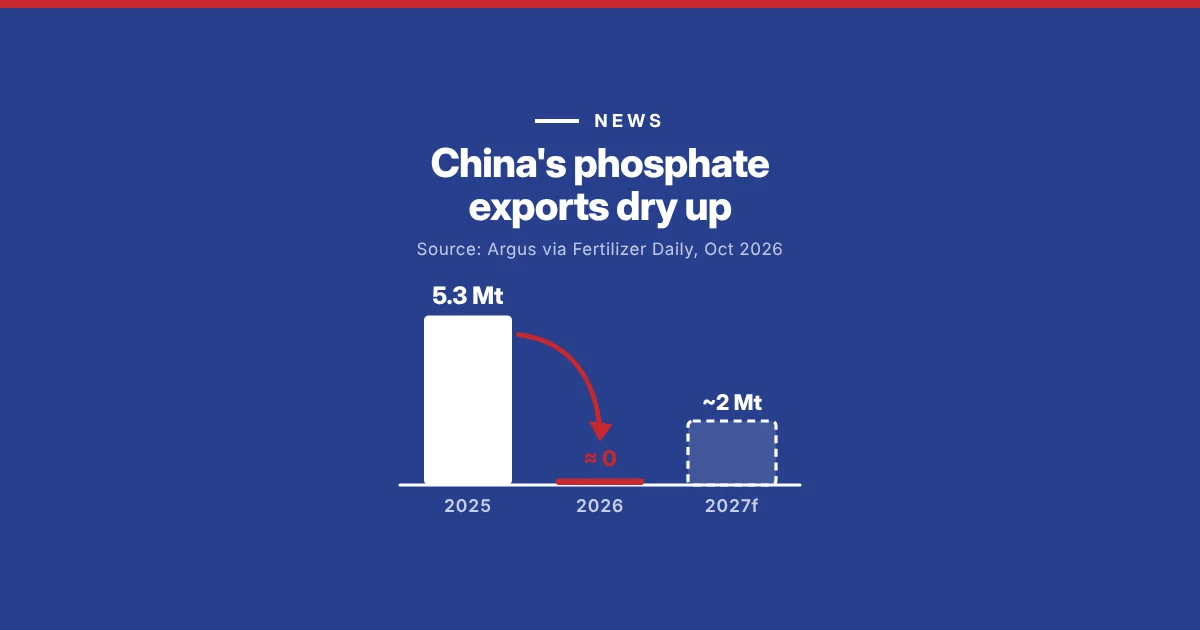
China, which exported about 5.3 million tonnes of phosphate fertilizer in 2025, has shipped almost none in 2026. With sulfur scarce and phosphate prices high, import-dependent markets face a tight season, and every kilo of phosphorus needs to work harder. At Van Polder, we believe a tight phosphate market is a reason to look again […]
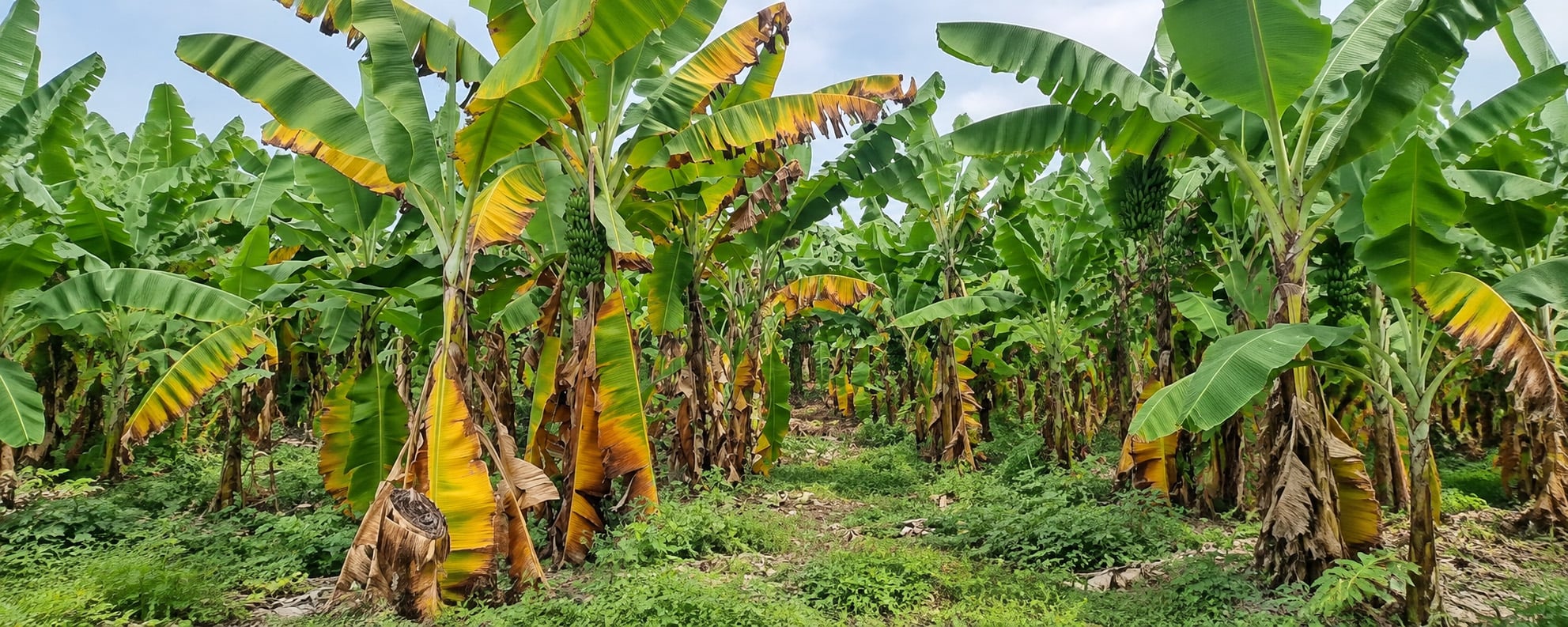
If you are starting a banana farm, Panama disease (Fusarium wilt of banana) is the risk to plan for. How to prevent Panama disease in bananas comes down to keeping the fungus out, because no fertilizer prevents or cures it and once it is in the soil it stays for decades (Pegg et al., 2019; […]
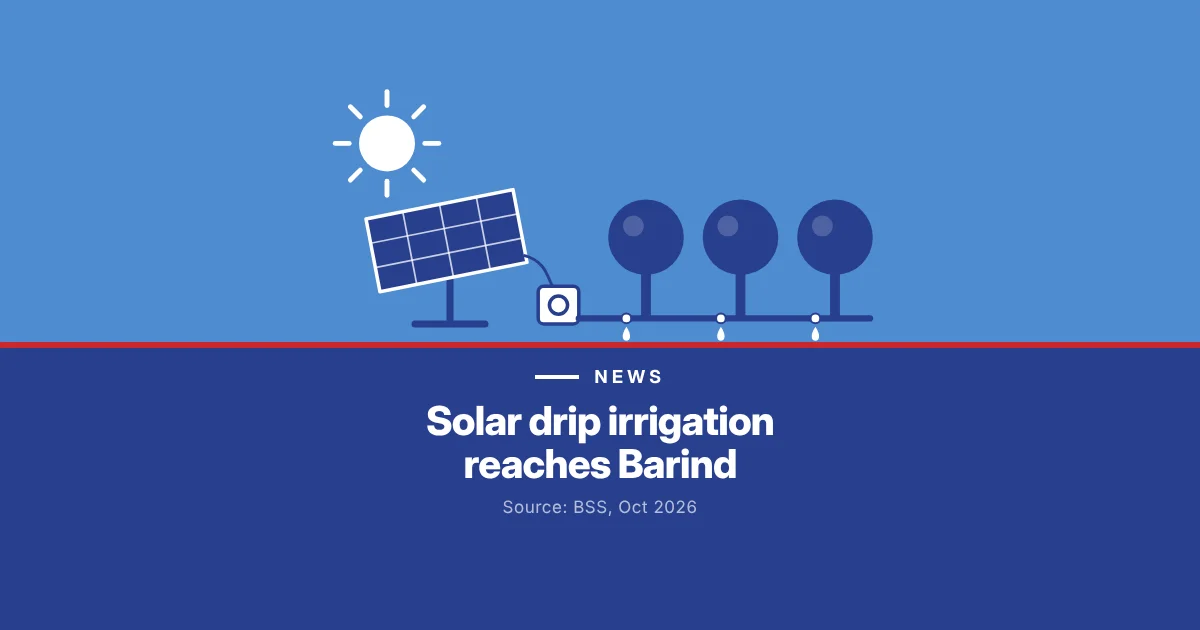
A government project in Bangladesh’s Rajshahi Division has brought solar-powered pumps, including solar drip systems for orchards, to drought-prone land where groundwater has been falling for decades. The Prime Minister wants all diesel irrigation pumps converted to solar within five years. For growers who move to drip, the next step is to feed the crop […]
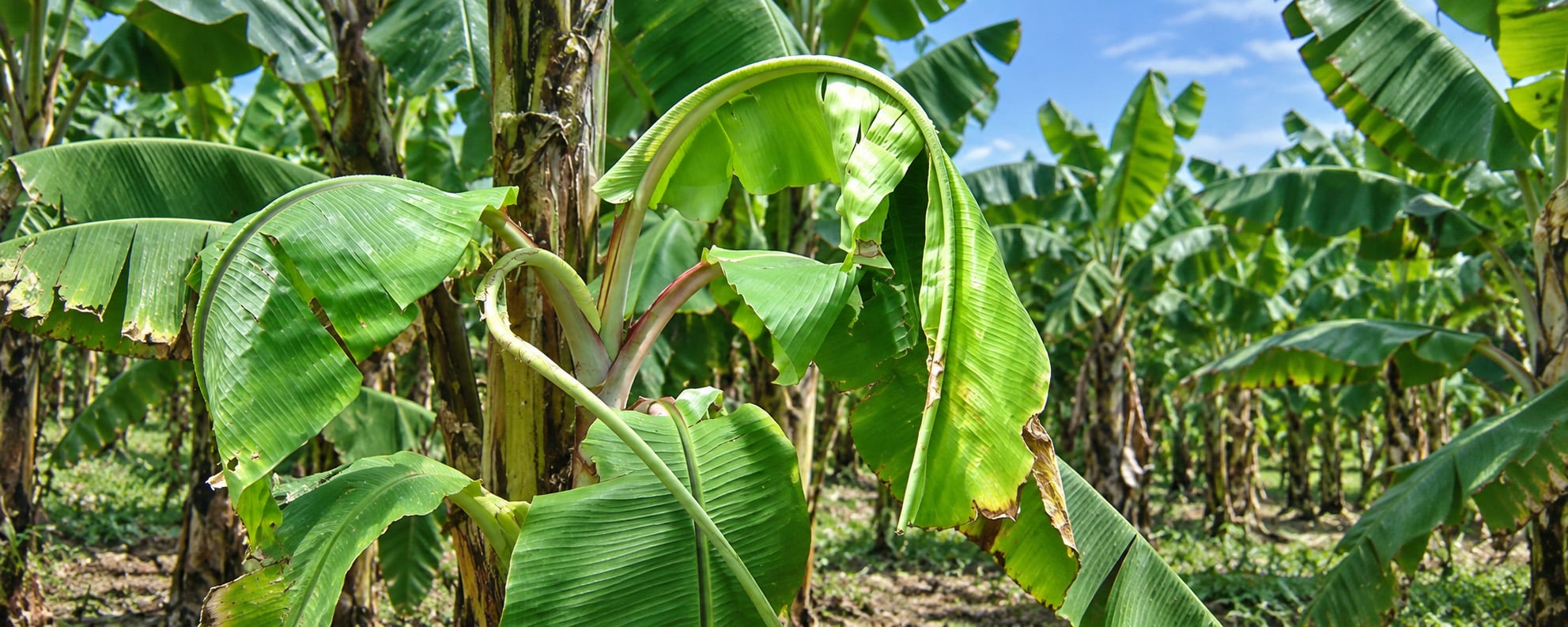
Calcium deficiency in banana shows first on the youngest leaves, as thickened veins and a saw-tooth pattern of yellow and dead tissue along the leaf margin, and in severe cases as “spike leaf”, new leaves with little or no blade, and poor-quality fruit (Turner, 1987; Martin-Prével, 1980). On most plantation soils it is not a […]
A calcium fertilizer supplies the calcium that holds plant cell walls and membranes together, but whether it reaches the fruit depends as much on water flow as on the fertilizer you choose. Calcium travels with water to the leaves and barely moves out of them again, so fruit and young leaves can run short even […]
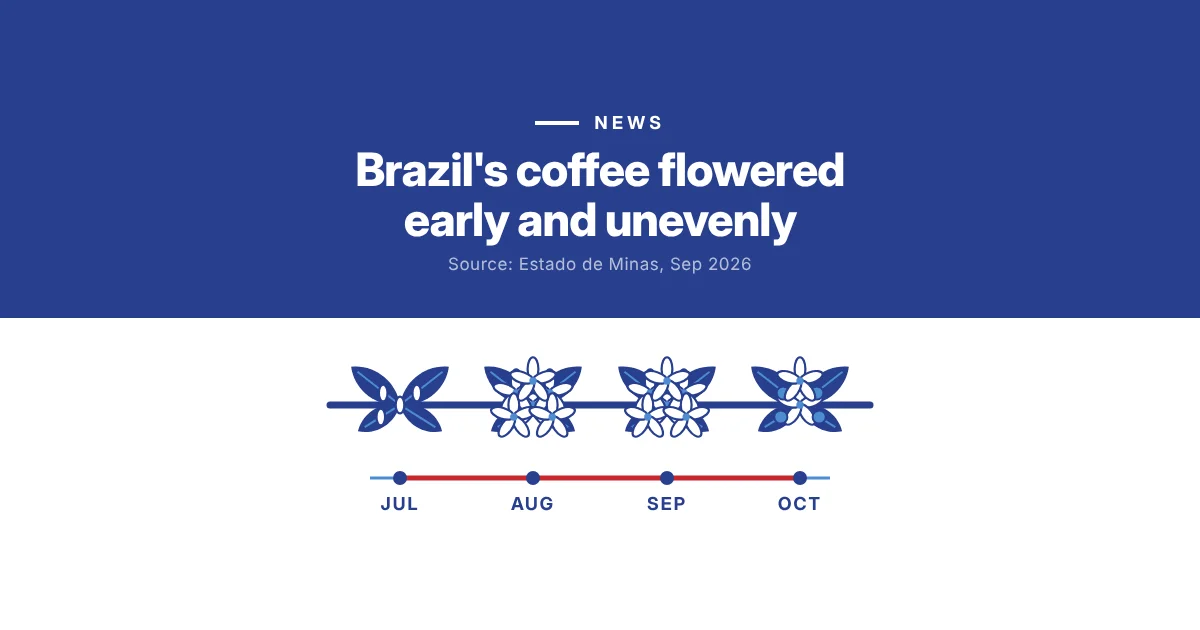
An unusually wet winter brought coffee flowering in Minas Gerais forward by about a month, in several separate waves. With October forecast to be hotter than normal and rain patchy, the question for 2027 is now how many of those flowers turn into fruit. At Van Polder, we believe a strong flowering is only the […]