







NPK Water Solubility: Ways to Clog-Free & Fast-Acting Feed
NPK fertilizers can dissolve in water, but not every formulation dissolves completely or leaves no residue. Water-soluble NPK is formulated for rapid nutrient delivery, while some conventional granular products dissolve more slowly and may leave behind insoluble particles. If you use drip irrigation, fertigation, or pivot systems, understanding how your fertilizer behaves in water can […]


NPK fertilizers can dissolve in water, but not every formulation dissolves completely or leaves no residue. Water-soluble NPK is formulated for rapid nutrient delivery, while some conventional granular products dissolve more slowly and may leave behind insoluble particles. If you use drip irrigation, fertigation, or pivot systems, understanding how your fertilizer behaves in water can help prevent clogged filters, blocked emitters, and uneven nutrient delivery. This guide explains how different NPK formulations dissolve and how to reduce clogging risks on your farm.
1. Does NPK Dissolve 100% in Water?
Whether your NPK fertilizer dissolves completely depends heavily on its product formulation, chemical nutrient sources, and mixing practices. To keep your fertigation system running smoothly, the fertilizer should dissolve fully at the target concentration without forming chemical precipitates.
Water-Soluble NPK (WSF):
Formulated for direct application through fertigation, center pivots, and foliar spraying. When mixed within the manufacturer’s recommended solubility limits, high-quality WSFs dissolve rapidly and leave minimal insoluble residue.
Products made from highly pure raw materials and containing chelated micronutrients may also help reduce the risk of mineral deposits in irrigation equipment. These properties support more precise nutrient delivery, reduce manual application, and improve uniformity across the growing area. However, foliar application remains supplementary and cannot replace a comprehensive soil-fertility program.

Granular NPK (Conventional):
Designed primarily for uniform soil broadcasting, row application, or base dressing using mechanical spreaders. Unlike WSFs, conventional granular fertilizers may contain components with limited water solubility. For example, ammoniated superphosphate is approximately 35% water-soluble, while rock phosphate is less than 1% water-soluble, whereas urea and potash are highly water-soluble.
As a result, conventional granular NPK should not be assumed suitable for dissolution in irrigation tanks. Insoluble particles, clays, or binders may remain in suspension and increase the risk of clogging, particularly in drip systems. Soil broadcasting also requires careful application to achieve uniform nutrient distribution and minimize nutrient losses.
Controlled-Release NPK (CRF):
These fertilizers typically consist of granular nutrient cores enclosed in polymer, resin, sulfur, or other specialized coatings. After application to the soil, moisture penetrates the coating, dissolves the nutrient core, and allows nutrients to diffuse gradually into the root zone. Release duration may range from several weeks to 18 months, depending on the formulation and environmental conditions.
Soil temperature is a major factor regulating release, although moisture and coating characteristics also influence the rate. CRFs can improve nutrient-use efficiency and reduce nutrient losses compared with conventional fertilizers. However, they are designed for soil application, not dissolution in irrigation tanks, and their coatings and nutrient-release mechanism make them unsuitable for fertigation and may create a physical clogging risk in irrigation lines.
Quick Comparison for Growers
| Fertilizer Type | Water Solubility | Best Application Method | Clogging Risk |
| Water-Soluble NPK (WSF) | Rapidly dissolves when mixed within the recommended solubility limits | Fertigation, drip irrigation, foliar spray | Low, provided the product is fully dissolved and the irrigation system is properly managed |
| Granular NPK | Varies by formulation; some components may remain insoluble | Soil broadcasting, row application, base dressing | High if unsuitable products are dissolved in irrigation tanks or applied through drip lines |
| Controlled-Release NPK (CRF) | Nutrients are released gradually through a specialized coating | Soil incorporation, soil application, planting hole | High if introduced into irrigation tanks or drip systems |
2. 4 Tips to Eliminate Clogging Risks When Using NPK
To maintain a highly efficient, clog-free drip irrigation or micro-sprinkler system, chemical precipitation and physical residues must be aggressively managed. Below are four expert farm-proven strategies to eliminate blockages.
Tip 1: Pre-Dissolve Conventional Granular NPK (Only as a Workaround)
If economic factors force you to use conventional soil-grade granular NPK in a liquid tank, you must pre-soak the granules in warm water (40 – 50°C) and stir thoroughly 24 hours prior to application.
Warm temperature and time do not break intramolecular chemical bonds of the nutrient salts; instead, they accelerate the physical hydration kinetics and overcome the solvation energy barrier of hard, compacted granules. This allows soluble elements like nitrogen and potassium to dissolve fully while letting insoluble binders and low-solubility phosphorus compounds (such as ammoniated super-phosphate, which is only 35% water-soluble) settle to the bottom.
Tip 2: Implement a Two-Stage “Double-Filter” Extraction
Never pour dissolved granular fertilizer mixtures directly into your irrigation tank or sprayers. Always run the solution through a dual-filtration barrier:
- Stage 1 (Coarse Pre-filtration): Filter the raw mixture through a fine mesh screen or cheesecloth when decanting the liquid from the mixing drum into the main stock tank. This captures large, undissolved filler particles, clays, or anti-caking coatings.
- Stage 2 (Secondary High-Efficiency Filtration): Ensure a professional mesh or disc filter rated at 100 to 130 microns is installed directly downstream of your injection pump. This system acts as your final defense, catching microscopic physical particles before they reach integral drippers.
Tip 3: Prevent Phosphate Precipitation in Hard or Iron-Rich Water
A major chemical hazard in fertigation is mixing soluble phosphorus (P) with poor-quality water. Dissolved iron (Fe²⁺) in acidic well water (pH > 4.0) and calcium (Ca²⁺) or magnesium (Mg²⁺) in hard water (pH > 5.5) will rapidly react with free orthophosphate ions to form highly insoluble iron phosphate and calcium phosphate precipitates.
To prevent these chemical blockages, use premium acidifying water-soluble fertilizers, such as ICL’s Agrolution pHLow or Nova PeKacid, which lower the water pH in the stock tank, keeping calcium, iron, and phosphorus completely dissolved, bioavailable, and safe for your lines.
Tip 4: Standardize System Flushing Protocols
Accumulated salt sediments must be cleared regularly using a structured flushing routine:
- The 1/4 – 1/2 – 1/4 Fertigation Rule: Divide your irrigation window into three stages: run clean water for the first 1/4 of the time to prime the lines; inject the dissolved fertilizer during the middle 1/2 of the cycle; and flush with clean water for the final 1/4 of the time. This final flush washes away residual salts from the line, preventing salt crystallization inside the drippers as the pipes dry out.
- Periodic Line Flushing: Regularly open the ends of lateral lines and sub-mains under pressure to flush out accumulated physical silts and organic biofilm.
- Preventative Acid Cleanse: Instead of executing hazardous, high-strength nitric acid flushes after a severe calcium or iron clog occurs, integrate self-acidifying WSF formulations (like Agrolution or Nova PeKacid) into your regular program to continuously dissolve scale and maintain clear lines.

Important Note: If you are utilizing 100% Water-Soluble Fertilizers (WSFs) formulated for fertigation, you can bypass pre-soaking and coarse pre-filtering. Due to their exceptional purity, they dissolve instantly without leaving any residue, provided you do not exceed the manufacturer’s maximum solubility limits in your stock tank.
Choosing the right NPK formulation is only the first step toward reliable fertigation. Water quality, mixing practices, filtration, and regular line maintenance all influence how efficiently nutrients reach the crop. Use products designed for irrigation systems whenever possible, test compatibility before application, and follow the manufacturer’s recommended concentration and flushing procedures. These precautions help maintain clean irrigation lines, consistent nutrient distribution, and dependable crop performance.


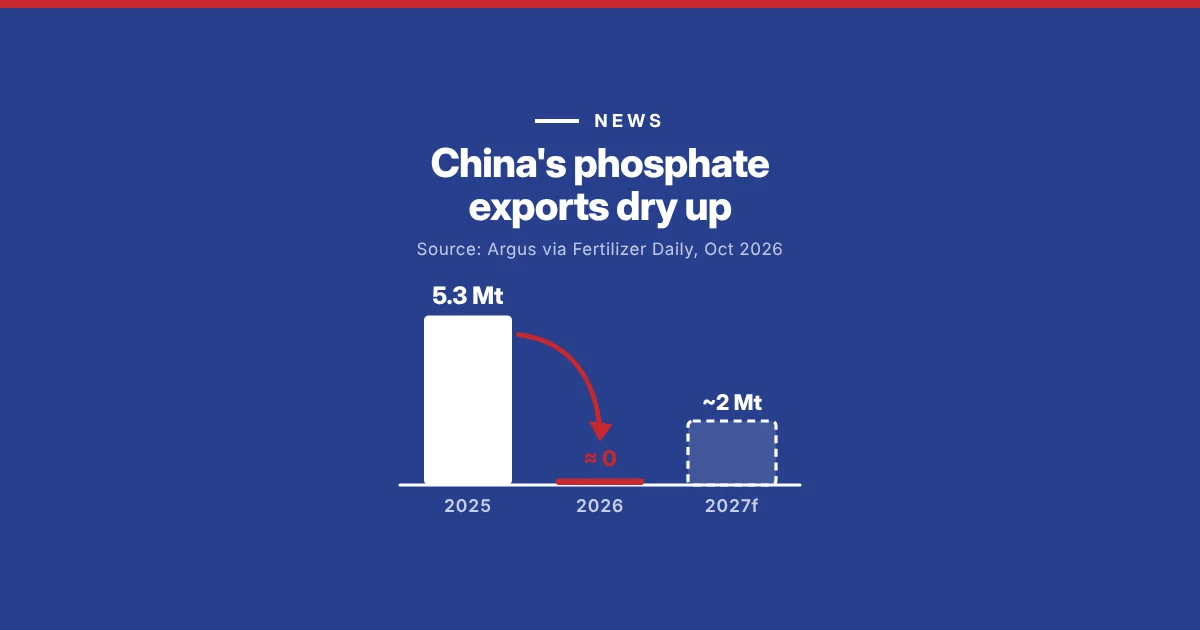
China, which exported about 5.3 million tonnes of phosphate fertilizer in 2025, has shipped almost none in 2026. With sulfur scarce and phosphate prices high, import-dependent markets face a tight season, and every kilo of phosphorus needs to work harder. At Van Polder, we believe a tight phosphate market is a reason to look again […]
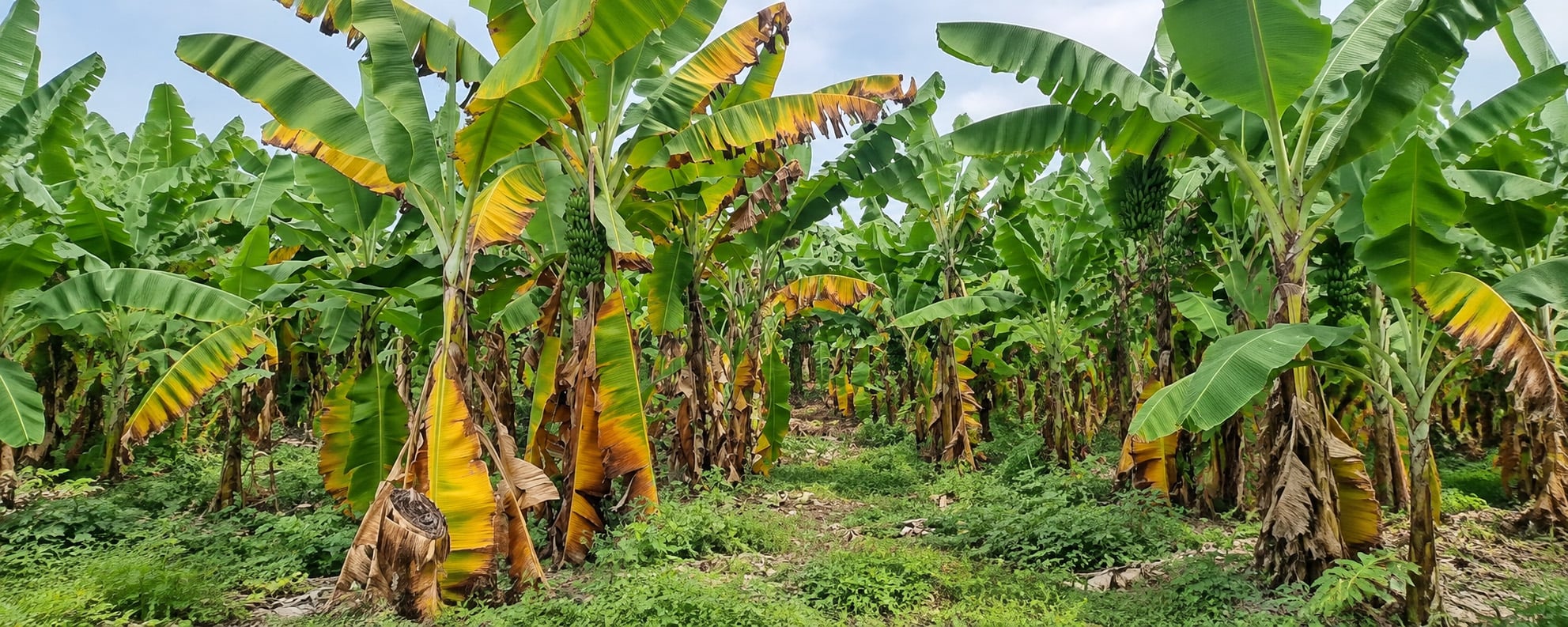
If you are starting a banana farm, Panama disease (Fusarium wilt of banana) is the risk to plan for. How to prevent Panama disease in bananas comes down to keeping the fungus out, because no fertilizer prevents or cures it and once it is in the soil it stays for decades (Pegg et al., 2019; […]
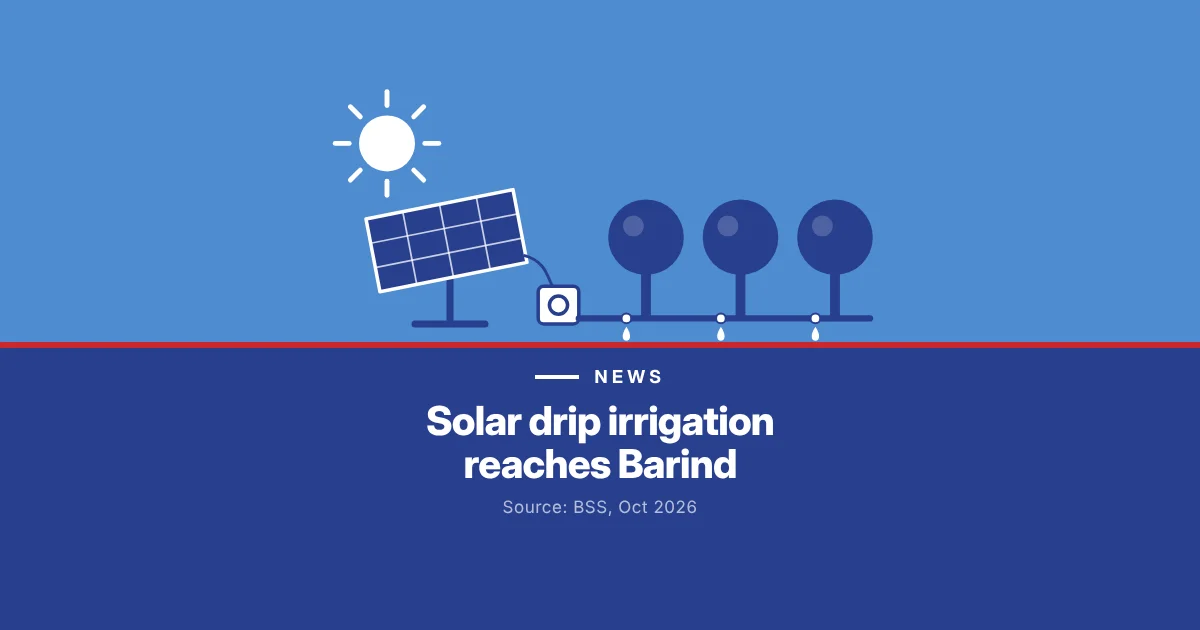
A government project in Bangladesh’s Rajshahi Division has brought solar-powered pumps, including solar drip systems for orchards, to drought-prone land where groundwater has been falling for decades. The Prime Minister wants all diesel irrigation pumps converted to solar within five years. For growers who move to drip, the next step is to feed the crop […]
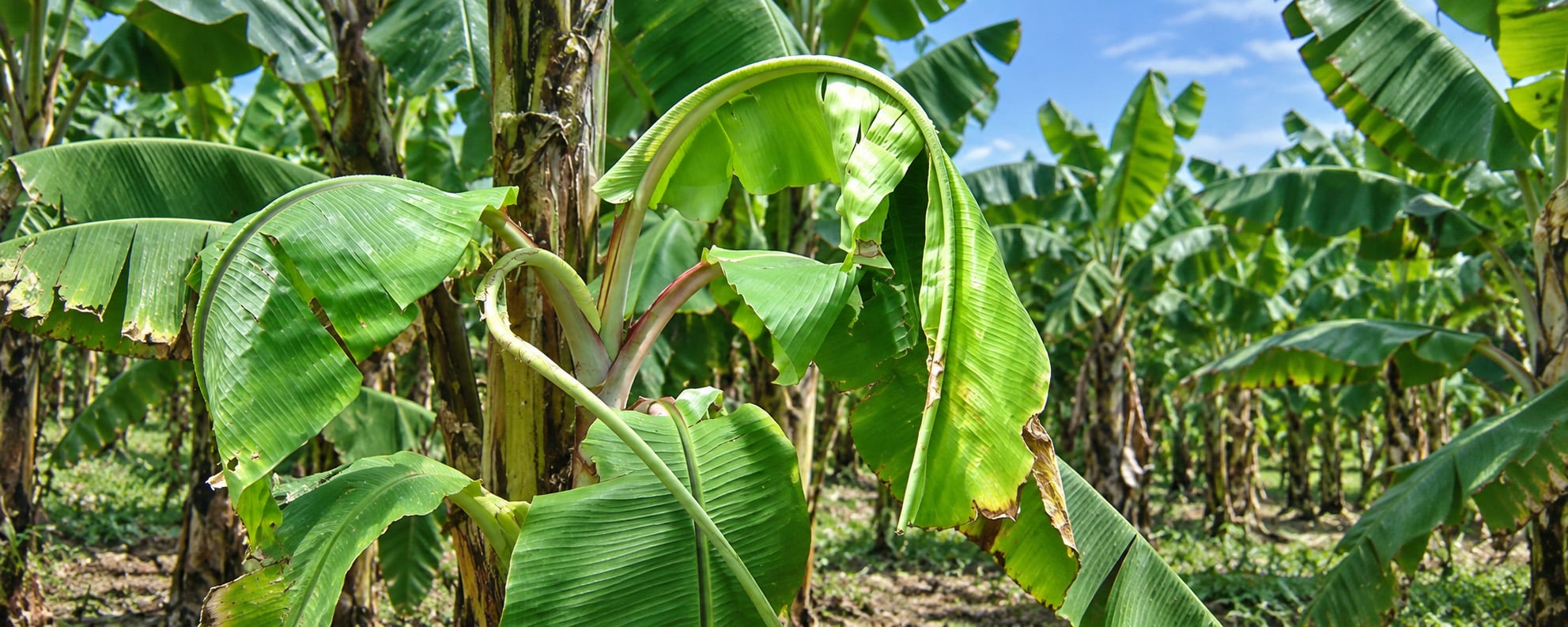
Calcium deficiency in banana shows first on the youngest leaves, as thickened veins and a saw-tooth pattern of yellow and dead tissue along the leaf margin, and in severe cases as “spike leaf”, new leaves with little or no blade, and poor-quality fruit (Turner, 1987; Martin-Prével, 1980). On most plantation soils it is not a […]
A calcium fertilizer supplies the calcium that holds plant cell walls and membranes together, but whether it reaches the fruit depends as much on water flow as on the fertilizer you choose. Calcium travels with water to the leaves and barely moves out of them again, so fruit and young leaves can run short even […]

An unusually wet winter brought coffee flowering in Minas Gerais forward by about a month, in several separate waves. With October forecast to be hotter than normal and rain patchy, the question for 2027 is now how many of those flowers turn into fruit. At Van Polder, we believe a strong flowering is only the […]