







6 Micronutrients for Wheat Crop to Boost Yield and Grain Quality
Despite rigorous irrigation and balanced macronutrient management, many wheat crops fall short of their true genetic yield potential. This production gap is often caused by silent micronutrient deficiencies that stifle growth even when primary conditions are ideal. Mastering the role of these essential, yet often overlooked, elements is vital for breaking through current yield plateaus. […]


Despite rigorous irrigation and balanced macronutrient management, many wheat crops fall short of their true genetic yield potential. This production gap is often caused by silent micronutrient deficiencies that stifle growth even when primary conditions are ideal. Mastering the role of these essential, yet often overlooked, elements is vital for breaking through current yield plateaus. Explore the following guide to identify the six key micronutrients necessary to maximize wheat productivity and grain quality.
1. Zinc (Zn): Powering Growth and Grain Development
Acting as a vital engine for cellular function, Zinc drives essential processes like protein synthesis and cell division. It is foundational for structural integrity and helps the wheat crop weather environmental stresses while fueling grain development.
Roles of Zinc
- Supporting vegetative growth: Zinc promotes vigorous plant growth by regulating cell division and development, while also improving the crop’s tolerance to environmental stresses such as drought and low-temperature conditions.
- Activating enzymes and proteins: Zinc is an essential structural and functional component of numerous enzymes and proteins involved in plant metabolism, ensuring that many biochemical reactions proceed efficiently.
- Enhancing photosynthesis and nutrient metabolism: Zinc contributes to chlorophyll formation, photosynthetic activity, and nitrogen metabolism. It also participates in enzymatic reactions associated with electron transport and energy production, helping maintain overall metabolic efficiency.
- Improving grain yield and quality: Adequate zinc nutrition supports the biosynthesis of amino acids while promoting carbohydrate and protein accumulation in developing grains. As a result, sufficient Zn availability contributes to better grain filling, increased thousand-grain weight, and improved grain quality.

Deficiency symptoms
- Reduced plant vigor: Zinc-deficient wheat plants are typically stunted, producing shorter and thinner stems with an overall pale green appearance.
- Interveinal chlorosis: One of the most recognizable symptoms is the appearance of whitish-yellow bands or stripes between the leaf veins while the veins themselves remain greener. These symptoms are generally more noticeable on younger leaves.
- Leaf tissue damage: Early deficiency may cause water-soaked or translucent spots on young leaves. As the deficiency progresses, these affected areas become necrotic, gradually turning light gray or brown.
- Poor reproductive performance: Zinc deficiency reduces tiller production and limits grain formation within each spike. Under severe deficiency, spikelets may become partially or completely sterile, resulting in substantial yield losses.
- Delayed maturity: Affected plants often mature later than healthy wheat and may develop a dull grayish appearance instead of the characteristic golden color at harvest. In some cases, these symptoms can resemble certain foliar fungal diseases, making accurate diagnosis important.
Factors affecting zinc availability
- High soil pH: Zinc becomes less available in alkaline soils or soils containing high levels of calcium carbonate (CaCO₃), where it forms compounds that are difficult for roots to absorb.
- Soil characteristics: Highly weathered sandy soils, strongly leached soils, and alkaline peat soils generally provide lower available zinc than fertile loam soils, making wheat more susceptible to deficiency.
- Excessive liming or gypsum application: Over-application of lime or gypsum can increase soil pH, further reducing zinc solubility and limiting its availability to wheat roots.
- Chemical interactions: Certain herbicides and unfavorable soil chemical conditions may interfere with zinc uptake, increasing the likelihood of deficiency even when measurable zinc is present in the soil.
2. Boron (B): Essential for Reproduction and Pollen Vitality
Reproductive health in wheat relies heavily on Boron. Beyond facilitating pollen tube germination and fertilization, this element streamlines the transport of sugars and nutrients, ensuring the plant can effectively fill its grains.
Roles of Boron
- Supporting pollination and fertilization: Boron is essential for pollen viability and pollen tube growth, allowing successful fertilization to occur and ensuring normal grain set after flowering.
- Improving grain filling: Boron facilitates the transport of sugars and other assimilates from leaves to developing grains, supporting grain filling and promoting better kernel development.
- Maintaining metabolic activity: In addition to its role in sugar metabolism and seed development, boron contributes to membrane stability and activates enzymes involved in normal plant growth.
- Working with other micronutrients: Boron interacts with nutrients such as iron to support healthy physiological functions throughout the wheat life cycle and maintain normal plant development.

Deficiency symptoms
- Spike sterility: One of the most characteristic symptoms is partial or complete spike sterility, where spikes develop normally but produce few or no grains because fertilization fails.
- Abnormal young leaves: Newly emerging leaves may develop longitudinal cracks along the midrib, while leaf margins become distorted and serrated instead of expanding normally.
- Excessive but weak tillering: Boron-deficient plants may produce additional tillers; however, these young shoots frequently wilt, stop developing, and eventually die before contributing to yield.
- Leaf deformation: Young leaves may become malformed and develop a pale, water-soaked appearance. Because these symptoms resemble deficiencies of copper or calcium, accurate diagnosis is important before corrective measures are applied.
Factors affecting boron availability
- Leaching losses: Boron is readily leached from the root zone in soils receiving high rainfall or excessive irrigation, increasing the risk of deficiency, particularly in coarse-textured soils.
- Liming effects: Heavy lime applications can reduce boron availability by altering soil chemistry, causing deficiency even when total soil boron levels appear adequate.
Risk of toxicity: Excessive boron accumulation, especially in subsoils naturally high in boron, can damage wheat plants. Toxicity typically appears as yellowing followed by necrosis along the tips and margins of older leaves, reducing overall crop performance.
3. Iron (Fe): The Engine for Photosynthesis and Energy
To maintain optimal photosynthetic efficiency and energy production, wheat depends on Iron. It serves as a structural component for key enzymes and is central to chlorophyll synthesis, keeping the plant metabolically active throughout its growth cycle.
- Roles of IronSupports photosynthesis and chlorophyll synthesis: Iron is essential for chlorophyll formation and functions within the electron transport chain, enabling wheat plants to capture light energy and sustain efficient photosynthesis.
- Activates respiratory enzymes: Iron is a structural component of numerous enzymes involved in cellular respiration, allowing plants to convert stored nutrients into usable energy for growth and development.
- Maintains normal plant growth: Adequate iron is required throughout the wheat life cycle, contributing to nitrogen metabolism, protein synthesis, and overall plant vigor.

Deficiency symptoms
- Interveinal chlorosis on young leaves: Because iron is relatively immobile within the plant, deficiency symptoms first appear on newly developed leaves. Leaf tissue between the veins gradually turns yellow while the veins remain green.
- Progressive leaf bleaching: As deficiency becomes more severe, young leaves may become almost completely white due to insufficient chlorophyll production, followed by tissue death if the condition persists.
- Symptoms may resemble other nutrient disorders: Iron deficiency is commonly confused with magnesium or manganese deficiency because all three can cause chlorosis. However, iron deficiency typically produces more distinct interveinal chlorosis on the youngest leaves.
Factors affecting iron availability
- High soil pH reduces iron uptake: Iron deficiency is most common in calcareous or alkaline soils with high calcium carbonate (CaCO₃) content, where iron becomes chemically unavailable despite being present in the soil.
- Bicarbonates and environmental stress limit absorption: Elevated bicarbonate concentrations in soil or irrigation water can restrict iron uptake, while prolonged cold and wet conditions reduce root activity and further limit iron absorption.
- Low organic matter and excessive liming increase deficiency risk: Soils with poor organic matter or those receiving excessive lime applications are more susceptible to iron-induced chlorosis because iron solubility declines as soil pH increases.
4. Manganese (Mn): Sustaining Metabolism and Cell Integrity
Manganese powers the conversion of light into biomass by activating enzymes crucial for photosynthesis and respiration. It plays a dual role in metabolic efficiency and maintaining robust cell membrane integrity.
Roles of Manganese
- Supports photosynthesis and chlorophyll synthesis: Manganese is directly involved in chlorophyll formation and photosynthetic reactions, enabling wheat plants to efficiently capture and convert light energy.
- Activates metabolic enzymes: It functions as a cofactor for numerous enzymes responsible for respiration, carbohydrate metabolism, and other essential biochemical processes.
- Maintains cell membrane integrity: Adequate manganese helps preserve membrane stability, supporting normal cell function and improving overall plant resilience.

Deficiency symptoms
- Pale and weak plant appearance: Wheat plants affected by manganese deficiency often appear pale, less vigorous, and may form patches in the field where plants seem weak or partially collapsed.
- Chlorosis and leaf necrosis: Initial symptoms usually develop as light green to yellow stripes near the base of young leaves. As the deficiency progresses, necrotic lesions appear in the middle portion of the leaves, causing leaf blades to buckle or fold.
- Delayed crop development: Prolonged manganese deficiency can slow plant growth and delay crop maturity.
- Symptoms may resemble iron deficiency: Manganese deficiency is frequently confused with iron deficiency because both produce chlorosis. However, iron deficiency generally causes more uniform and distinct interveinal chlorosis, whereas manganese deficiency tends to produce a more mottled appearance accompanied by necrotic spots.
Factors affecting manganese availability
- High organic matter and calcareous soils reduce availability: Manganese deficiency is more common in soils containing high levels of organic matter or free lime, where manganese becomes less available for root uptake.
- Leaching and environmental stress limit uptake: Well-drained sandy soils are prone to manganese loss through leaching, while prolonged cold and wet conditions reduce root activity and restrict manganese absorption.
- Excessive liming increases deficiency risk: Applying excessive lime raises soil pH, decreasing manganese solubility and making deficiency more likely. Certain herbicides may further aggravate manganese uptake problems.
- Highly acidic soils increase toxicity risk: Although manganese deficiency is common in alkaline soils, excessive manganese availability in strongly acidic soils (typically below pH 5.0) can lead to manganese toxicity in wheat.
5. Copper (Cu): Maximizing Grain Set and Pollen Success
For wheat to transition successfully from vegetative growth to high-yielding grain production, Copper is non-negotiable. It protects pollen viability, bolsters chlorophyll synthesis, and improves the crop’s defensive posture against environmental pressures.
Roles of Copper
- Supports pollen viability and grain set: Copper is essential for pollen development and viability, ensuring normal flowering, successful fertilization, and improved grain set per spike.
- Promotes reproductive development: Adequate copper availability allows wheat plants to transition efficiently from vegetative growth to reproductive development, contributing to stable yield formation.
- Contributes to chlorophyll synthesis: Copper participates in chlorophyll formation and supports photosynthetic activity, helping maintain energy production throughout the growing season.

Deficiency symptoms
- Leaf distortion and tip dieback: Young leaves may become twisted, while leaf tips gradually die back. In some cases, plants appear wilted even when adequate soil moisture is available.
- “Rat-tail” spikes: One of the most characteristic symptoms of copper deficiency is the development of partially sterile spikes, where kernels form at the base but the upper portion remains white, withered, or completely sterile.
- Weak stems and abnormal coloration: Copper-deficient plants often develop weak stems and may exhibit purple or black pigmentation (melanism). As the crop matures, plants frequently lose their normal golden color and appear dull gray to black.
- Reduced grain development: Severe deficiency results in poor fertilization, shriveled grains, reduced thousand-grain weight (TGW), and significant yield losses.
- Symptoms may resemble environmental stress: Copper deficiency is sometimes confused with drought, frost injury, or diseases such as Take-all because all can produce sterile heads and premature plant decline.
Factors affecting copper availability
- Organic and sandy soils increase deficiency risk: Copper deficiency is most frequently observed in peat soils, sandy soils, or soils containing high concentrations of iron (Fe), manganese (Mn), or aluminum (Al), which reduce copper availability.
- Intensive cropping systems deplete soil copper: Continuous crop rotations, particularly those involving legumes, can gradually reduce available copper reserves in the soil.
- Excessive nitrogen limits copper efficiency: High nitrogen application promotes rapid vegetative growth, increasing the crop’s copper demand and potentially intensifying deficiency when copper supply is insufficient.
6. Molybdenum (Mo): Key to Nitrogen Utilization and Yield
Unlocking the full potential of nitrogen fertilizer requires Molybdenum. As a key component of the nitrate reductase enzyme, it converts nitrogen into usable forms for protein synthesis, bridging the gap between fertilizer application and actual yield.
Roles of Molybdenum
- Supports nitrogen metabolism: Molybdenum is a key component of the enzyme nitrate reductase, which converts nitrate into forms that wheat plants can use to synthesize amino acids and proteins.
- Improves yield and grain quality: By enhancing nitrogen use efficiency, molybdenum supports healthy plant growth, increases grain yield, and contributes to better grain quality.
- Maintains normal plant development: As one of the essential mineral nutrients, molybdenum works together with other macro- and micronutrients to sustain normal physiological processes throughout the wheat life cycle.

Deficiency symptoms
- Symptoms resemble nitrogen deficiency: Even when sufficient nitrogen fertilizer has been applied, molybdenum-deficient plants often appear pale green, weak, and less vigorous because they cannot efficiently utilize absorbed nitrate.
- Leaf discoloration develops gradually: Middle leaves may display mottled chlorosis or faint yellow stripes along the veins, sometimes giving plants the appearance of suffering from temporary moisture stress.
- Tip burn on older leaves: As the deficiency becomes more severe, older leaves develop scorched or necrotic tips. This symptom is often more pronounced in fields receiving high nitrogen rates, where nitrate accumulates because it cannot be properly metabolized.
Factors affecting molybdenum availability
- Acidic soils reduce molybdenum availability: Unlike most micronutrients, molybdenum becomes less available under acidic soil conditions, making deficiency more common in soils with low pH.
- Iron and aluminum oxides restrict uptake: Soils containing high concentrations of iron and aluminum oxides can chemically fix molybdenum, preventing wheat roots from absorbing it even when the nutrient is present in the soil.
7. Benefits of Combined Micronutrient Foliar Spraying
Scientific studies consistently demonstrate that combining multiple micronutrients in foliar applications provides greater agronomic benefits than applying individual nutrients separately. By supplying essential elements simultaneously, combined foliar sprays improve wheat growth, strengthen physiological processes, enhance grain quality, and maximize fertilizer efficiency.
Key benefits of this synergistic approach include:
- Increase productive tillers and yield components: Combined Fe + Zn + Mn applications produced the highest number of productive tillers (292.33 m⁻²), improved plant height, spike length, spikelets per spike, and increased grains per spike to 55.23 compared with 49.00 in untreated plants.
- Improve biomass conversion efficiency: The same micronutrient combination achieved the highest Harvest Index (42.263%), indicating more efficient partitioning of plant biomass into harvestable grain.
- Enhance photosynthesis and nutrient metabolism: Simultaneous application of Fe, Zn, and Mn promotes chlorophyll synthesis, increases light absorption, accelerates photosynthesis, and maintains balanced nutrient status within plant tissues.
- Strengthen tolerance to environmental stress: Rapid nutrient absorption through foliar spraying helps wheat maintain metabolic activity during drought and other conditions that temporarily restrict nutrient uptake from the soil.
- Improve grain quality: Combined micronutrient sprays increase grain protein, carbohydrate accumulation, and technological characteristics such as dry gluten content, while multi-stage applications of Zn, Fe, Mn, B, and Cu have produced grain protein levels up to 12.53% and carbohydrate contents up to 65.83%.
- Increase overall productivity: Repeated foliar applications of micronutrient mixtures have been reported to improve grain yield by approximately 15%, reaching 8,516 kg/ha compared with 7,000 kg/ha in untreated wheat.
- Maximize fertilizer efficiency: According to Liebig’s Law of the Minimum, balanced micronutrient supply prevents individual nutrient deficiencies from limiting the effectiveness of NPK fertilizers, allowing wheat plants to utilize water, sunlight, and available nutrients more efficiently for higher economic returns.

8. Optimal Timing for Micronutrients Application
Timing is critical for maximizing micronutrient impact. By aligning applications with key wheat growth stages, you can effectively boost yield and grain quality. Below is the optimal schedule for your crop:
- Tillering stage: Micronutrient application at this stage supports productive tiller formation, early leaf area development, and the establishment of a strong canopy for subsequent growth.
- Jointing stage: As stems elongate rapidly, micronutrients promote stem development and support the differentiation of reproductive structures that later form the wheat spike.
- Booting stage: Applying micronutrients approximately two weeks before heading enhances pollen development, pollen viability, and pollen tube growth, helping improve fertilization success and increase the number of grains per spike.
- Milking stage: During grain filling, micronutrients facilitate assimilate transport and starch accumulation, contributing to higher thousand-grain weight (TGW), better grain filling, and improved grain quality.
- Multi-stage application strategy: Research indicates that distributing micronutrient applications across tillering, jointing, booting, and milking stages provides greater improvements in grain yield, protein content, carbohydrate accumulation, and economic return than single-stage applications.

9. 4 Essential Micronutrient Application Methods
Here are four effective strategies to maximize uptake and support healthy wheat development throughout the season:
9.1. Foliar application
Foliar spraying is widely recognized as the most efficient method for rapidly supplying micronutrients because nutrients are absorbed directly through the leaves without being restricted by unfavorable soil conditions.
- Application method: Spray micronutrient solutions directly onto wheat leaves during critical growth stages.
- Key benefits: Delivers nutrients rapidly, bypasses soil fixation, and efficiently corrects deficiencies such as iron chlorosis.
- Recommended use: Ideal for in-season nutrient correction and improving crop performance under environmental stress.
9.2. Soil application
Soil application provides a stable nutrient reserve within the root zone and is commonly used as the foundation of a long-term micronutrient management program.
- Application method: Incorporate micronutrients into the soil before sowing or apply them together with basal fertilizers.
- Key benefits: Supplies nutrients continuously throughout crop development and supports long-term soil fertility.
- Recommended use: Best suited for fields with confirmed micronutrient deficiencies before planting.

9.3. Side dressing
Side dressing supplies additional micronutrients after crop establishment, allowing nutrient availability to match periods of rapid vegetative growth.
- Application method: Apply micronutrients beside crop rows after emergence, typically during early vegetative stages.
- Key benefits: Increases nutrient availability when crop demand rises and supports canopy development.
- Recommended use: Suitable for supplementing nutrients during active growth when additional uptake is required.
9.4. Seed priming
Seed priming strengthens wheat plants from the earliest stages by ensuring essential micronutrients are available immediately after germination.
- Application method: Treat wheat seeds with micronutrient solutions before sowing.
- Key benefits: Improves germination, enhances seedling vigor, and promotes more uniform crop establishment.
- Recommended use: Particularly beneficial in nutrient-deficient soils or areas with high nutrient leaching.
Managing micronutrients is an essential component of sustainable wheat farming and integrated crop management. While macronutrients provide the foundation, these six micronutrients serve as critical catalysts for unlocking genetic yield potential and maximizing grain quality. By implementing precise, balanced, and timely nutrient management, farmers can overcome yield plateaus and ensure long-term success for their wheat crops.


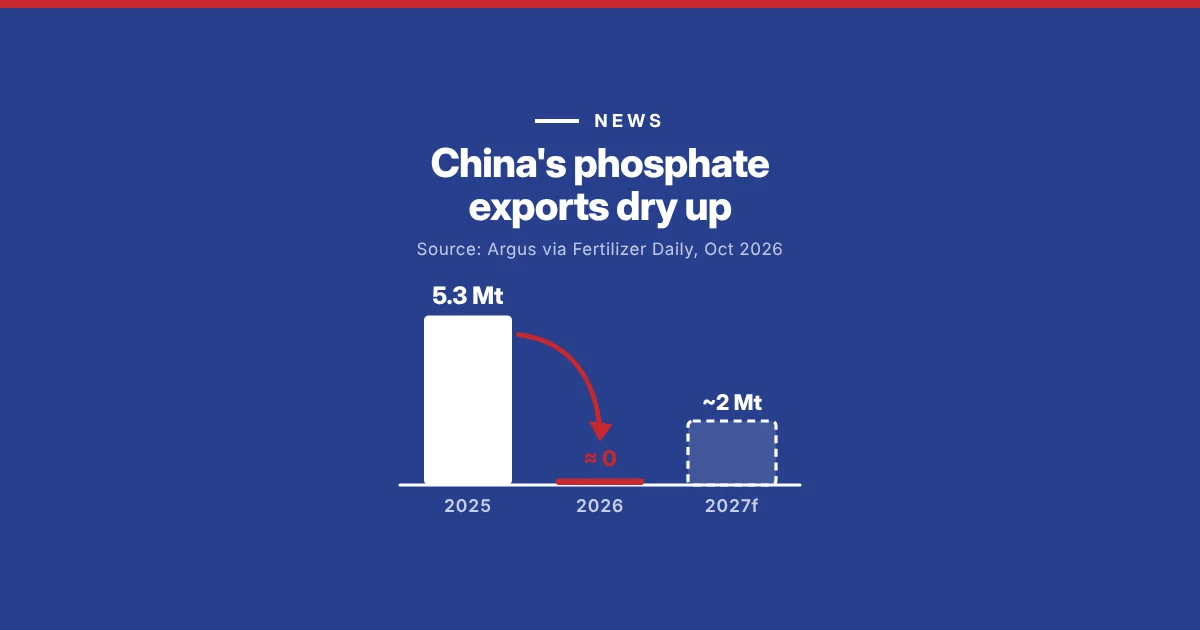
China, which exported about 5.3 million tonnes of phosphate fertilizer in 2025, has shipped almost none in 2026. With sulfur scarce and phosphate prices high, import-dependent markets face a tight season, and every kilo of phosphorus needs to work harder. At Van Polder, we believe a tight phosphate market is a reason to look again […]
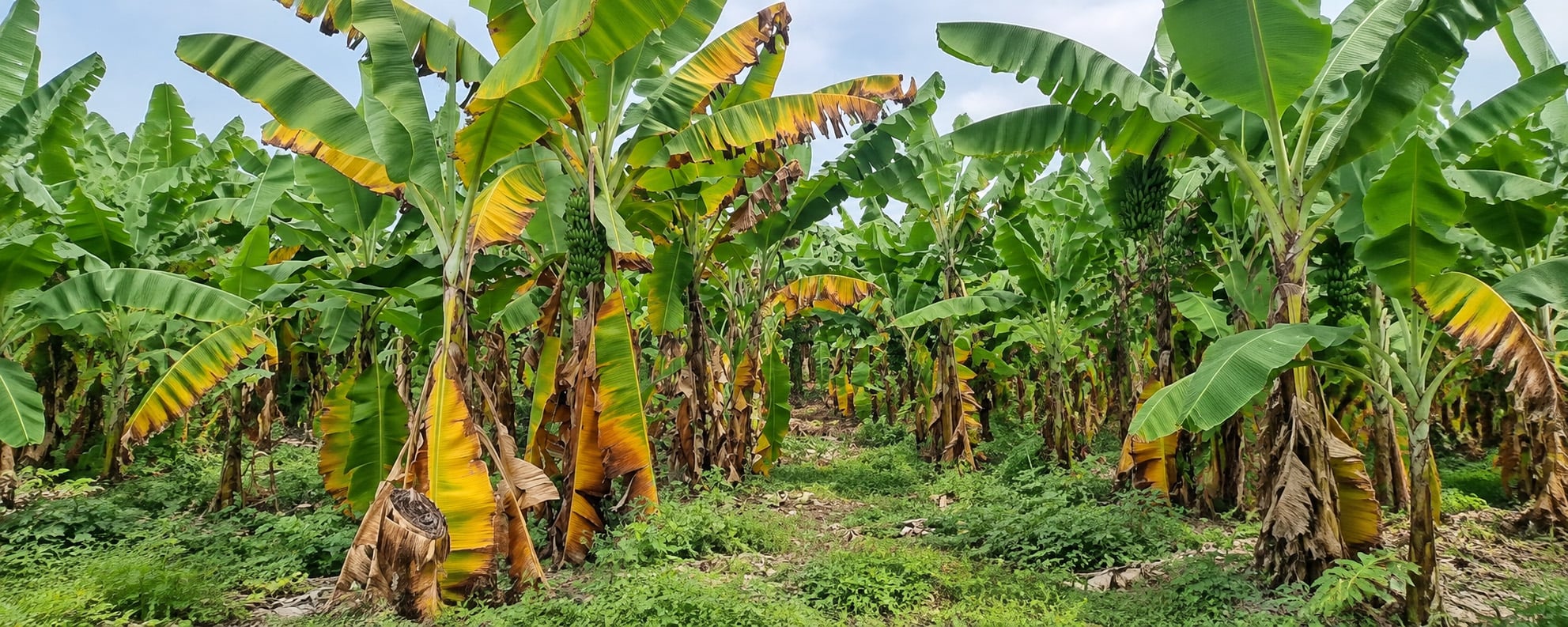
If you are starting a banana farm, Panama disease (Fusarium wilt of banana) is the risk to plan for. How to prevent Panama disease in bananas comes down to keeping the fungus out, because no fertilizer prevents or cures it and once it is in the soil it stays for decades (Pegg et al., 2019; […]

A government project in Bangladesh’s Rajshahi Division has brought solar-powered pumps, including solar drip systems for orchards, to drought-prone land where groundwater has been falling for decades. The Prime Minister wants all diesel irrigation pumps converted to solar within five years. For growers who move to drip, the next step is to feed the crop […]
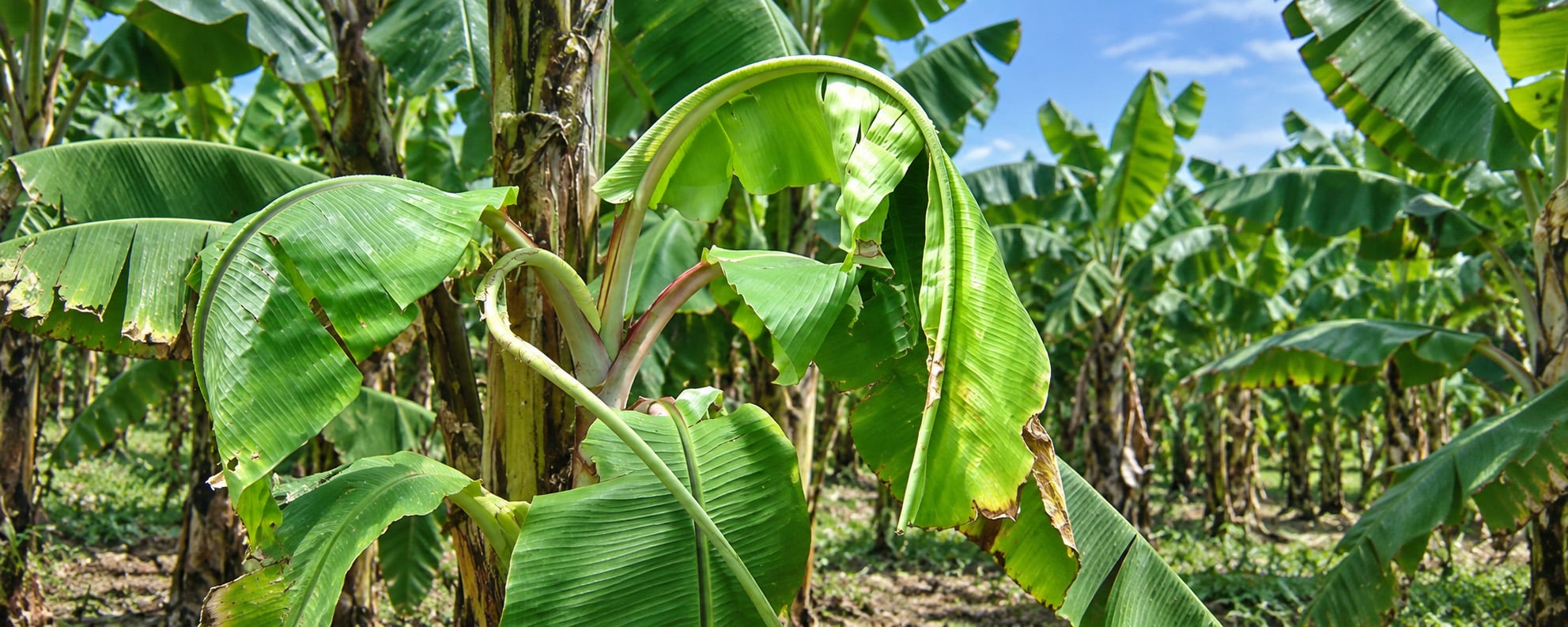
Calcium deficiency in banana shows first on the youngest leaves, as thickened veins and a saw-tooth pattern of yellow and dead tissue along the leaf margin, and in severe cases as “spike leaf”, new leaves with little or no blade, and poor-quality fruit (Turner, 1987; Martin-Prével, 1980). On most plantation soils it is not a […]
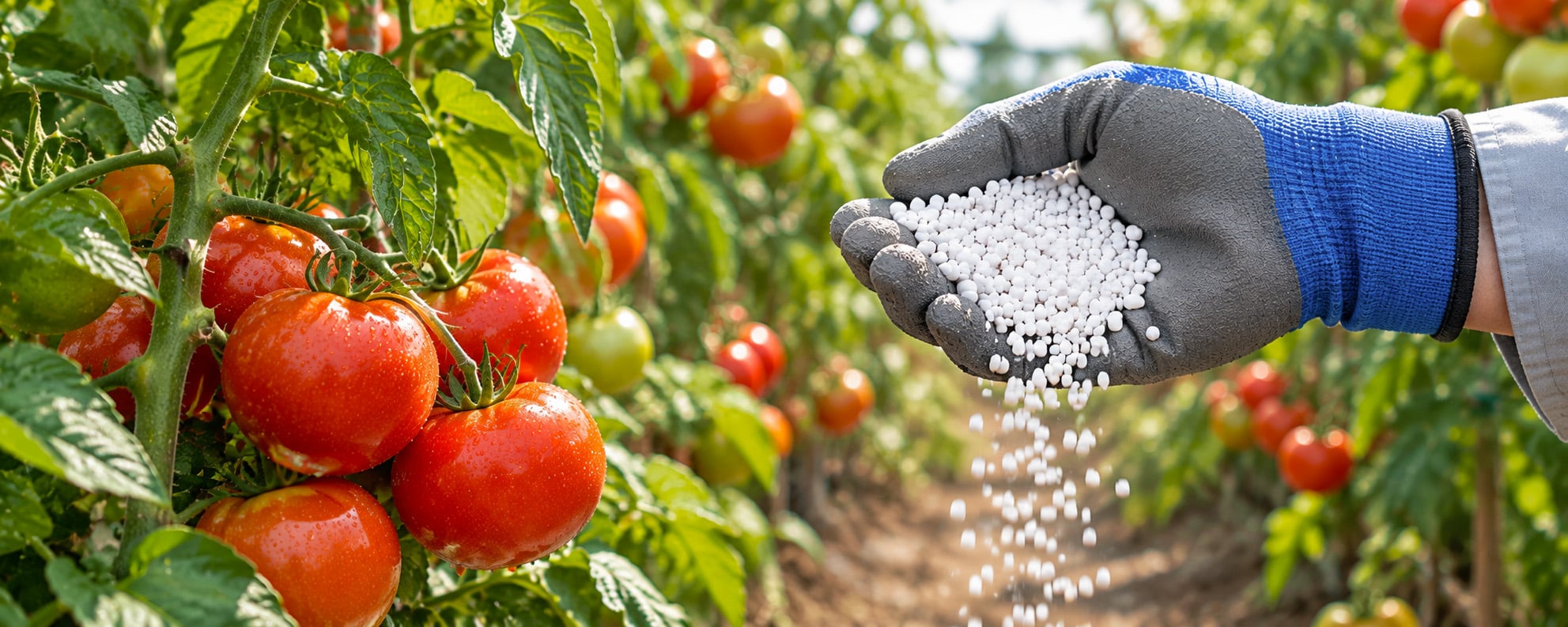
A calcium fertilizer supplies the calcium that holds plant cell walls and membranes together, but whether it reaches the fruit depends as much on water flow as on the fertilizer you choose. Calcium travels with water to the leaves and barely moves out of them again, so fruit and young leaves can run short even […]
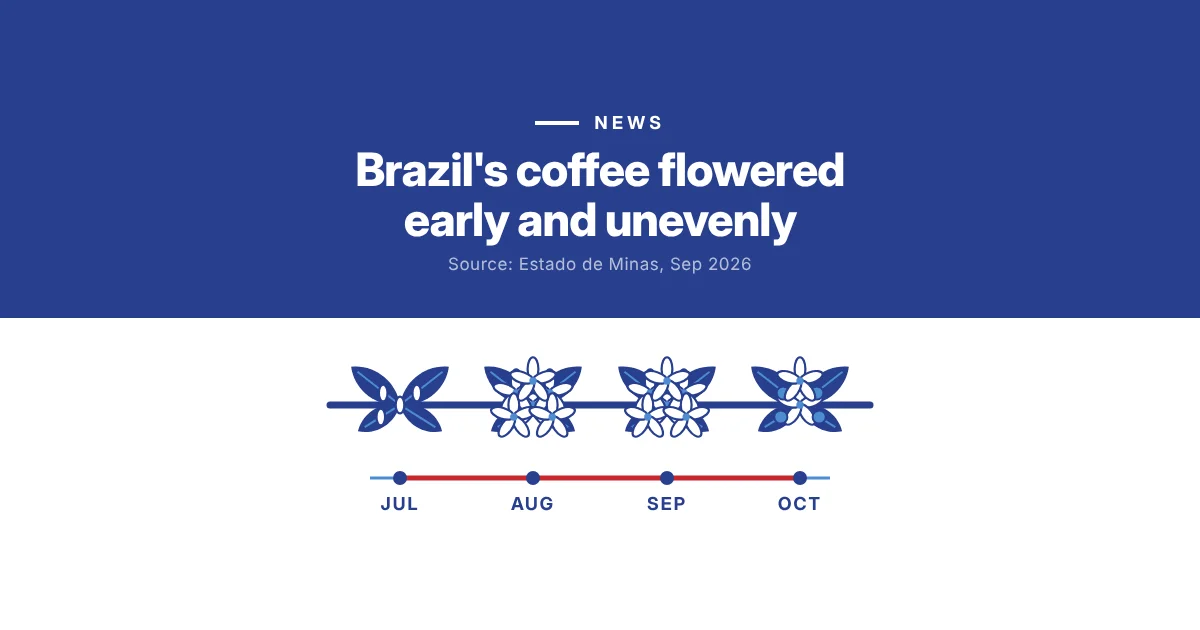
An unusually wet winter brought coffee flowering in Minas Gerais forward by about a month, in several separate waves. With October forecast to be hotter than normal and rain patchy, the question for 2027 is now how many of those flowers turn into fruit. At Van Polder, we believe a strong flowering is only the […]