







8 Micronutrients for Plants to Maximize Your Crop Yield and Health
Many growers spend all their time on big fertilizers, unknowingly starving their crops of the tiny nutrients that truly drive a heavy harvest. These hidden deficiencies often fly under the radar, slowly draining your profits without you even noticing. This guide breaks down the eight essential micronutrients in plain language so you can catch “hunger” […]


Many growers spend all their time on big fertilizers, unknowingly starving their crops of the tiny nutrients that truly drive a heavy harvest. These hidden deficiencies often fly under the radar, slowly draining your profits without you even noticing. This guide breaks down the eight essential micronutrients in plain language so you can catch “hunger” symptoms early and keep your fields thriving.
1. Iron (Fe) – Essential for Chlorophyll Synthesis and Energy Transfer
Think of Iron as the green light for your crops’ growth engine. It’s what keeps leaves lush and healthy, ensuring your plants don’t run out of steam halfway through the season. Without this, even your best fields will look dull and struggle to keep up.
1.1. Role and functions
Iron participates in a wide range of physiological processes that support healthy plant growth, from chlorophyll formation to enzyme activation and energy metabolism.
- Chlorophyll and Photosynthesis: Iron acts as an essential catalyst for chlorophyll synthesis, supporting efficient photosynthesis and healthy leaf development.
- Enzyme and Protein Systems: It is a core component of many plant proteins and enzyme systems, including cytochrome oxidase, catalase, peroxidase, and hemoglobin.
- Energy Metabolism: Iron is required for nitrate and sulfate reduction, nitrogen fixation (N2 assimilation), and energy production through electron transport.
- Development: It supports plant growth by participating in cell division, particularly within root tip meristems.

1.2. Iron Deficiency symptoms
Because iron is relatively immobile within plants, it cannot be readily transported from older tissues to new growth. As a result, Deficiency symptoms typically appear first on young leaves and shoot tips.
- Leaf Appearance: The most characteristic symptom is interveinal chlorosis, where young leaves turn yellow while the veins remain green, creating a distinct green network pattern.
- Severe Cases: As the deficiency progresses, leaves may become completely yellow or even white. In severe cases, marginal necrosis may develop along the leaf edges.
- Recovery: After iron is supplied, the leaf veins are usually the first areas to regain their green color.
1.3. Causes of Iron Deficiency
Iron deficiency is often caused by environmental or soil conditions that reduce iron availability rather than by a true lack of iron in the soil.
- High Soil pH: Iron becomes significantly less available in alkaline or calcareous soils, particularly at a pH of 7.4 – 8.5.
- Soil Physical Conditions: Excessive soil moisture, poor drainage, soil compaction, and low soil temperatures in early spring can restrict root activity and microbial processes, reducing iron uptake.
- Water Quality: Irrigation water with high bicarbonate concentrations can induce iron chlorosis.
- Nutrient Antagonism: High concentrations of phosphorus (P), zinc (Zn), copper (Cu), or manganese (Mn) may interfere with iron uptake. Conversely, zinc deficiency can sometimes produce symptoms similar to iron deficiency.
1.4. Iron Toxicity and Poisoning
Although iron deficiency is more common, excessive iron accumulation can also negatively affect plant health under certain soil conditions.
- Contributing Factors: Iron toxicity generally occurs in soils with a pH below 5.0 or following excessive applications of soluble iron through soil or foliar treatments.
- Visual Symptoms: The primary symptom is the development of necrotic spots on leaves.
- Secondary Effects: Excess iron may inhibit manganese (Mn) uptake, potentially resulting in a secondary manganese deficiency.
1.5. Management and correction
Correcting iron deficiency requires improving iron availability in the root zone while selecting the most appropriate fertilizer source and application method for the crop and soil conditions.
- Iron Forms: Plants primarily absorb iron in the ferrous (Fe²⁺) and ferric (Fe³⁺) forms.
- Soil Management: Improving drainage, optimizing irrigation, and, where appropriate, acidifying the root zone can increase iron availability.
- Soil Fertilization: Iron sulfate (FeSO₄) and iron chelates are commonly used. Among them, Fe-EDDHA is the most stable chelated form across a wide soil pH range ( 4.0 – 9.0).
- Foliar Sprays: Foliar applications provide a rapid correction for existing Deficiency symptoms. Iron chelates or iron sulfate are commonly applied at rates of 0.11 – 0.17 kg/ha, although their effects are generally temporary.
- Trunk Injection: For fruit trees, trunk injection can effectively correct severe iron deficiency but requires specialized equipment and may cause tree injury if performed improperly.
- Varietal Selection: Growing iron-efficient cultivars, such as tolerant soybean varieties, can help prevent iron chlorosis in susceptible soils.
1.6. Crop Sensitivity to Iron Deficiency
Different crop species vary considerably in their susceptibility to iron deficiency. Understanding crop sensitivity helps growers prioritize monitoring and implement preventive management strategies.
| Sensitivity Level | Typical Crops |
| Highly Sensitive | Soybeans, grain sorghum, fruit trees (cherry, apple, citrus), and ornamentals (azaleas, blueberries, rhododendrons, and pin oaks). |
| More Tolerant | Alfalfa, corn (although deficiency may occur in low-organic-matter calcareous soils), grasses, and small grains. |
2. Copper (Cu) – Key for Enzyme Activation and Structural Integrity
Copper is the quiet architect that builds the sturdy frame your plants need to stand tall. It helps your crops hold their ground against bad weather while making sure they’re putting energy into the right places. It’s that small addition that makes a big difference in how well your plants weather the storm.
2.1. Role and functions
Copper contributes to a wide range of biochemical and physiological processes that are essential for normal plant growth and development.
- Enzymatic Catalyst: Copper is a component of several enzymes involved in photosynthesis and respiration, activating enzyme systems that cannot be replaced by other metal ions.
- Metabolism: It plays a central role in nitrogen and carbohydrate metabolism and supports protein synthesis within plant tissues.
- Structural Stability: Copper is essential for lignin synthesis, strengthening cell walls, improving stem rigidity, and helping plants remain upright.
- Reproductive Development: Copper is required for successful flowering, pollen viability, seed formation, and fruit development. Deficiency can significantly reduce reproductive performance.
- Plant Protection: In addition to its nutritional role, copper contributes to disease resistance and improves overall plant vigor.

2.2. Copper Deficiency symptoms
Because copper is relatively immobile within plants, Deficiency symptoms usually appear first on young leaves and shoot tips.
- Wither Tip: The most characteristic symptom is the yellowing, withering, and dieback of terminal leaves.
- Physical Distortion: Young leaves may become bluish-green, develop chlorotic tips, or lose turgor, resulting in wilting.
- Structural Failure: Reduced lignin production weakens young stems, causing shoots to bend into a characteristic“shepherd’s crook” shape.
- Cereal Crop Symptoms: In cereals such as wheat and oats, copper deficiency may cause yellow leaf tips resembling frost injury, aborted heads, and shriveled grains.
2.3. Factors affecting copper absorption
Copper availability is strongly influenced by soil properties and interactions with other nutrients.
- Organic Matter Binding: Copper binds more strongly to organic matter than any other micronutrient. As a result, deficiencies are most common in peat and muck soils with high organic matter content.
- Soil pH: Copper solubility decreases as soil pH increases, making deficiency more likely in alkaline soils with a pH above 7.5.
- Nutrient Antagonism: High concentrations of phosphorus (P), iron (Fe), manganese (Mn), or zinc (Zn) can interfere with copper uptake.
2.4. Copper toxicity and poisoning
Although copper is an essential nutrient, excessive accumulation can become toxic and negatively affect plant growth because copper binds strongly to soil particles and is not readily leached.
- Induced Iron Deficiency: Excess copper can trigger secondary iron deficiency, leading to interveinal chlorosis in young leaves.
- Root Damage: Toxic copper levels may cause roots to become thickened, darkened, and stunted.
- Growth Inhibition: Excessive copper suppresses shoot growth, reduces plant vigor, and may decrease seed germination.
2.5. Management and correction
Copper deficiency can be corrected through appropriate fertilizer sources and application methods, depending on crop requirements and soil conditions.
- Fertilizer Sources: Common sources include copper sulfate (CuSO₄·5H₂O), cupric oxide, cuprous oxide, and copper chelates such as Na₂Cu-EDTA.
- Soil Application: Copper fertilizers can be broadcast or band-applied. Because copper is relatively immobile in soil, a single application of 3 – 6 lb Cu/acre may remain effective for 5 – 8 years.
- Foliar Sprays: Foliar applications provide a rapid correction when Deficiency symptoms appear during the growing season.
- Copper-based Fungicides: Regular use of copper-containing fungicides may also contribute small amounts of available copper to crops.
2.6. Crop sensitivity to copper deficiency
Different crops vary in their sensitivity to copper deficiency, with cereals generally being more susceptible than legumes and root vegetables.
| Sensitivity level | Typical crops |
| Highly sensitive | Wheat, oats, sudan grass, onions, lettuce, and spinach |
| Moderately sensitive | Alfalfa, barley, carrots, and table beets |
| Less sensitive | Asparagus, beans, peas, and potatoes |
3. Zinc (Zn) – Vital for Growth Hormone Regulation and Metabolism
Zinc is the backstage director that makes sure every part of your crop grows at the right pace. If your fields are lagging or looking a bit stunted, this might be the missing piece of the puzzle. It’s the difference between a crop that just gets by and one that really thrives from start to finish.
3.1. Role and functions
Zinc participates in numerous biochemical and physiological processes that influence plant growth, nutrient metabolism, and crop yield.
- Enzymatic Component: Zinc serves as a structural component or cofactor for numerous enzymes, including carbonic anhydrase, and is essential for protein synthesis and degradation.
- Hormone Regulation: Zinc is required for the synthesis of indole-3-acetic acid (IAA), an auxin that regulates cell elongation, stem growth, and overall plant development.
- Metabolism and Energy: Zinc supports carbohydrate metabolism, chlorophyll synthesis, and starch formation, contributing to efficient energy production and utilization.
- Growth and Yield: Adequate zinc promotes healthy root and stem development while improving fruit production, seed quality, and overall crop productivity.

3.2. Zinc Deficiency symptoms
Because zinc is only slightly mobile within plants, Deficiency symptoms usually develop on young leaves or the middle portion of the canopy.
- General Symptoms: Zinc deficiency commonly causes little leaf(small, narrow, and distorted leaves), rosetting due to shortened internodes, and interveinal chlorosis characterized by yellow striping between leaf veins.
- Crop-Specific Symptoms: In corn, broad chlorotic bands develop from the leaf base toward the tip, while nodal tissues may become reddish-brown. In soybeans and dry beans, plants become stunted, leaves develop interveinal chlorosis that may later turn bronze or brown, and pod and seed production declines. In onions, leaves may exhibit yellow striping, bending, and twisting.
- Secondary Effects: Severe zinc deficiency may induce secondary iron deficiency, causing leaves to become pale, grayish-white, and eventually drop prematurely.
3.3. Factors affecting zinc availability
Zinc availability is influenced by soil properties, environmental conditions, and interactions with other nutrients.
- Soil pH: Zinc availability decreases significantly in alkaline or calcareous soils, particularly when the soil pH exceeds 6.5.
- High Phosphorus Levels: Excessive phosphorus fertilization can induce zinc deficiency by reducing zinc movement from roots to shoots.
- Environmental Conditions: Cold, wet, and cloudy conditions during early spring can restrict root growth and temporarily reduce zinc uptake.
- Soil Texture: Sandy soils, eroded soils with limited topsoil, and soils low in organic matter are more susceptible to zinc deficiency.
3.4. Zinc toxicity
Although uncommon, excessive zinc accumulation can negatively affect plant growth, particularly when caused by over-fertilization or industrial contamination.
- Growth Inhibition: High zinc concentrations can cause stunted growth and interveinal chlorosis, often as a result of zinc-induced iron deficiency.
- Critical Concentrations: While many crops can tolerate tissue zinc concentrations of up to 300 ppm, some species, such as dry edible beans, may develop toxicity symptoms at only 40 – 50 ppm.
3.5. Management and correction
Zinc deficiency can be corrected using appropriate fertilizer sources and application methods based on crop requirements and soil conditions. Plants primarily absorb zinc in the form of Zn²⁺.
- Fertilizer Sources: Common zinc fertilizers include zinc sulfate (ZnSO₄) and zinc chelates such as Zn-EDTA, which are more stable and generally require lower application rates than inorganic sources.
- Foliar Application: Foliar sprays provide a rapid correction for zinc deficiency because soil-applied zinc often becomes fixed and less available to plants.
- Soil Application: Zinc fertilizers may be applied by broadcasting or band placement, with band application generally providing higher fertilizer-use efficiency.
- Seed Treatment: Applying small amounts of zinc to seed coatings can improve early seedling growth and establishment.
4. Boron (B) – Crucial for Cell Wall Formation and Reproductive Growth
Boron is essential for the moments that matter most, like when your plants need to set flowers and fill out fruit. It’s the invisible hand moving nutrients to where they’re needed, ensuring your efforts at the end of the season actually pay off. If you’re seeing poor fruit set, you’ve likely found the reason why.
4.1. Role and functions
Boron participates in several physiological processes that influence plant growth, nutrient transport, and reproductive development.
- Structural Integrity: Boron is essential for cell wall formation and maintaining cell membrane integrity. It also supports calcium (Ca) uptake and utilization during cell development.
- Nucleic Acid Synthesis: Boron is required for the synthesis of uracil, an important component of RNA and other energy-related compounds.
- Metabolic Transport: Boron facilitates sugar transport across cell membranes and contributes to carbohydrate metabolism, protein synthesis, and the metabolism of auxins and lipids.
- Reproductive Development: Boron is indispensable for pollen germination, pollen tube growth, flowering, fruit set, and successful seed development.

4.2. Boron Deficiency symptoms
Because boron is immobile in most plant species, Deficiency symptoms usually appear first in actively growing tissues such as shoot tips and terminal buds.
- General Symptoms: Terminal buds and shoot tips may die, internodes become shortened, producing a“witches’-broom” appearance, and leaves become thick, brittle, and distorted.
- Fruit Trees: In apples and pears, boron deficiency may cause blossom blast, bark measles, fruit corking, misshapen fruits, and increased fruit drop. In stone fruits, buds may fail to develop normally, while fruits may become shriveled with internal browning and cork formation around the pit.
- Vegetables: Deficiency may result in brown heart in beets and turnips, hollow stems in cauliflower, and cracked stems in celery.
- Field Crops: In corn, inadequate boron can reduce pollination success, producing poorly filled ears with scattered kernels.
4.3. Factors affecting boron availability
Boron availability is influenced by soil characteristics, environmental conditions, and irrigation management.
- Organic Matter: Soil organic matter serves as the primary boron reservoir, helping reduce leaching losses while providing a slow and continuous nutrient supply.
- Soil pH: Boron availability generally decreases as soil pH rises above 7.0, although availability may increase again in highly alkaline soils ( pH above 8.5) due to sodium interactions.
- Soil Moisture and Texture: Boron moves to plant roots mainly through mass flow. Therefore, drought conditions, sandy soils, and soils with low organic matter frequently increase the risk of boron deficiency.
4.4. Boron toxicity
The margin between boron deficiency and toxicity is relatively narrow, making accurate application rates essential.
- Symptoms: Toxicity usually begins with yellowing of leaf tips, followed by interveinal chlorosis and progressive scorching or necrosis along leaf margins.
- Causes: Excess boron is commonly caused by over-fertilization, uneven fertilizer distribution, or irrigation water containing naturally high boron concentrations.
4.5. Management and correction
Boron deficiency can be corrected using appropriate fertilizer sources and carefully controlled application methods because excessive boron can easily become toxic.
- Fertilizer Sources: Common boron fertilizers include borax (sodium borate), boric acid, and highly soluble products such as Solubor, which are widely used for foliar sprays and liquid fertilizers.
- Soil Application: Boron is typically broadcast at 3 – 5 lb B/acre and should be evenly incorporated into the soil to minimize the risk of localized toxicity.
- Foliar Application: Foliar sprays are commonly used as maintenance or rescue treatments. In orchards, a single application of 0.5 – 1.0 lb B/acre before flowering or after harvest is often recommended.
- Application Precaution: Boron fertilizers should not be applied directly in seed rows of sensitive crops such as corn, beans, or small grains because excessive localized concentrations may damage germinating seeds.
5. Manganese (Mn) – Catalyst for Photosynthesis and Nitrogen Assimilation
Manganese is your plant’s internal battery, keeping all the vital chemical reactions firing properly day in and day out. It’s key to making sure your crops have that vibrant, healthy color instead of looking tired and worn out. You’ll find it’s the best way to keep your plants productive through the entire harvest window.
5.1. Role and functions
Manganese participates in several physiological processes that directly influence plant growth, energy production, and crop quality.
- Photosynthesis: Manganese is an essential component of Photosystem II, where it catalyzes the splitting of water molecules to release oxygen (O₂), initiating the photosynthetic electron transport chain.
- Enzyme Activation: It activates numerous enzymes involved in respiration, nitrogen metabolism, and protein synthesis.
- Plant Protection: Manganese is a component of antioxidant enzymes that protect the photosynthetic system from damage caused by reactive oxygen species (ROS).
- Hormone Metabolism: It activates indole-3-acetic acid (IAA) oxidases, helping regulate plant growth and development.
- Crop Quality: Adequate manganese improves leaf greenness while increasing the sugar and protein content of fruits and vegetables.

5.2. Factors affecting manganese availability
Manganese availability is strongly influenced by soil conditions, environmental factors, and nutrient interactions.
- Soil pH: Soil pH is the most important factor affecting manganese availability. Deficiency is common in soils with a pH above 6.5, whereas manganese solubility increases rapidly as soil pH declines, making toxicity more likely in soils with a pH below 5.5.
- Organic Matter: High organic matter content may bind manganese into unavailable forms, particularly in alkaline soils.
- Soil Aeration and Moisture: Poor drainage, soil compaction, and waterlogged conditions promote the formation of soluble Mn²⁺, increasing the risk of manganese toxicity.
- Nutrient Interactions: Excessive levels of phosphorus (P), calcium (Ca), zinc (Zn), or copper (Cu) may reduce manganese uptake and induce deficiency.
5.3. Manganese Deficiency symptoms
Because manganese is relatively immobile within plants, Deficiency symptoms usually appear first on young leaves and actively growing tissues.
- Interveinal Chlorosis: The most common symptom is light yellow-green or olive-green discoloration between leaf veins while the veins remain dark green.
- Crop-Specific Symptoms: Barley and wheat often develop yellow streaks running parallel to the veins, oats may exhibit gray speck, corn typically shows fine interveinal striping, and fruit trees such as plum and tomato may develop a distinct chlorotic network on young leaves.
- Severe Deficiency: As deficiency progresses, dark brown or black necrotic spots may develop along leaf veins, reducing photosynthetic capacity and plant vigor.
5.4. Manganese toxicity
Manganese toxicity is most common in highly acidic or poorly drained soils where soluble manganese accumulates to excessive levels.
- Leaf Symptoms: Excess manganese may cause distorted leaves, marginal necrosis, and dark specks scattered across leaf tissues.
- Bark Measles: In‘Delicious’ apple trees, manganese toxicity may cause bark measles, which begins as raised pimples on young bark before developing into cracked and sunken lesions.
- Critical Concentrations: Leaf tissue concentrations exceeding approximately 300 ppm are generally considered toxic for many crops.
5.5. Management and correction
Proper soil management and appropriate fertilizer application are essential for preventing both manganese deficiency and toxicity.
- Diagnostic Levels: Normal manganese concentrations in plant tissues typically range from 30 – 200 ppm, while concentrations below 20 ppm generally indicate deficiency. In soils, a DTPA-extractable manganese level of approximately 1.0 ppm is commonly used as the critical sufficiency threshold.
- Soil Management: Maintaining soil pH between 6.5 and 7.0 helps optimize manganese availability while reducing the risk of toxicity.
- Fertilizer Sources and Application: Manganese sulfate (MnSO₄) is the most commonly used fertilizer source. Band application is generally more effective than broadcasting because manganese is rapidly fixed in many soils. Foliar application of manganese sulfate or manganese chelates provides the fastest correction when Deficiency symptoms appear.
- Toxicity Management: Where manganese toxicity occurs, raising soil pH through liming and improving soil drainage and aeration can reduce the formation of soluble Mn²⁺ and limit excessive manganese uptake.
6. Chlorine (Cl) – Regulator of Osmotic Pressure and Disease Resistance
You might be surprised to see Chlorine on the list, but it’s crucial for keeping your plants hydrated and breathing properly. It acts like a water manager, balancing internal pressure so your crops don’t wilt when things get tough. It’s a simple helper that does a lot of heavy lifting for plant health.
6.1. Role and functions
Chlorine contributes to several physiological processes that are essential for plant growth, water balance, and crop health.
- Photosynthesis: Chlorine plays an essential role in Photosystem II, where it participates in oxygen evolution and photophosphorylation during photosynthesis.
- Osmotic Regulation: As a highly mobile anion, chloride works together with potassium (K⁺) to regulate osmotic pressure, stomatal opening and closing, and overall plant water balance.
- Disease Resistance: Adequate chloride nutrition helps suppress several important diseases in cereal crops, including take-all root rot, stripe rust, leaf rust, tan spot, and Septoria leaf spot.

6.2. Soil characteristics and absorption
The availability of chlorine is mainly influenced by its high mobility in soil rather than by chemical fixation.
- Absorption Form: Plants absorb chlorine as the chloride ion (Cl⁻).
- Mobility: Chloride is highly soluble and moves readily through the soil solution in a manner similar to nitrate, making it susceptible to leaching under high rainfall or excessive irrigation.
- Availability: Unlike many micronutrients, chlorine availability is generally unaffected by soil pH, aeration, or organic matter unless these conditions severely restrict root growth.
- Natural Sources: Chlorine is naturally supplied through rainfall, irrigation water, sea spray, and volcanic deposits.
6.3. Chlorine Deficiency symptoms
Chlorine deficiency is uncommon under field conditions because natural sources usually provide sufficient chloride throughout the growing season.
- General Symptoms: Deficient plants may wilt more easily, develop chlorosis on younger leaves, and exhibit reduced growth.
- Specific Symptoms: Some crops may develop bronzed or distorted leaves, while wheat can exhibit physiological leaf spot under severe deficiency.
6.4. Chlorine toxicity
Chlorine toxicity is more common than deficiency, particularly in saline soils or where irrigation water contains excessive chloride.
- Osmotic Stress: High chloride concentrations increase soil salinity, making water uptake more difficult and resulting in wilting, stunted growth, and reduced crop performance.
- Specific Ion Toxicity: Excess chloride may directly damage plant tissues, especially in chloride-sensitive species.
- Visual Symptoms: Leaf tips and margins typically become scorched or necrotic, while leaves may turn bronze, become brittle, and drop prematurely.
- Sensitive Crops: Grapes, avocados, peaches, and plums are among the crops most susceptible to chloride toxicity.
6.5. Management and correction
Proper fertilizer selection and application practices are essential for maintaining adequate chloride nutrition while minimizing the risk of salt injury.
- Fertilizer Sources: The most common chloride fertilizer is potassium chloride (KCl), also known as muriate of potash (0-0-60), which contains approximately 45% chlorine.
- Application Method: Because chloride is highly mobile in soil, broadcast application generally provides the most effective distribution.
- Application Precaution: Chloride fertilizers should not be placed directly in seed rows or concentrated fertilizer bands because high localized salt concentrations may injure germinating seeds and young roots.
- Recommended Levels: In some production systems, maintaining approximately 60 lb Cl/acre within the upper 2-foot soil profile is considered adequate. Additional chloride fertilizer may be applied when soil test levels fall below this threshold.
7. Molybdenum (Mo) – Fundamental for Nitrogen Fixation and Metabolism
Molybdenum is the specialist your plants need to unlock the nitrogen already sitting in the air or soil. It’s a vital helper for your legumes, acting like a bridge to make sure the food they make is actually usable. You don’t need much of it, but without it, your plants effectively starve for nitrogen.
7.1. Role and functions
Molybdenum is primarily involved in enzyme systems responsible for nitrogen transformation and utilization within plants.
- Nitrogen Metabolism: Molybdenum is a structural component of nitrate reductase, the enzyme responsible for converting nitrate (NO₃⁻) into nitrite and subsequently into ammonium for protein synthesis.
- Biological Nitrogen Fixation: It is also an essential component of nitrogenase, the enzyme used by symbiotic bacteria in legume root nodules to convert atmospheric nitrogen (N₂) into ammonia.
- Enzymatic Activity: In addition to nitrogen metabolism, molybdenum acts as a cofactor for several enzymes involved in various metabolic reactions.
- Nitrogen Use Efficiency: Plant demand for molybdenum is generally lower when nitrogen is supplied in the ammonium form rather than as nitrate.

7.2. Soil characteristics and absorption
The availability and uptake of molybdenum are strongly influenced by soil properties, particularly soil pH.
- Absorption Form: Plants absorb molybdenum primarily as the molybdate anion (MoO₄²⁻).
- The pH Exception: Unlike most micronutrients, molybdenum becomes more available as soil pH increases.
- Acidic Soils: Deficiency is most common in strongly acidic, sandy, or highly weathered soils where iron and aluminum oxides bind molybdenum, reducing its availability.
- Drought Conditions: Molybdenum deficiency may become more severe during drought because reduced mineralization limits the amount of soluble molybdenum available in the soil solution.
7.3. Molybdenum Deficiency symptoms
Because molybdenum is closely associated with nitrogen metabolism, Deficiency symptoms often resemble those of nitrogen deficiency.
- General Chlorosis: Leaves become pale green or yellowish-green due to impaired nitrogen metabolism.
- Leaf Distortion: Leaf margins may wither and curl upward ( cupping), while leaves can become thickened or brittle.
- Whiptail: In susceptible species, the leaf blade fails to develop normally, leaving only the midrib and small strips of leaf tissue.
- Poor Nodulation in Legumes: Molybdenum deficiency restricts root nodule development, reducing the plant’s ability to fix atmospheric nitrogen.
- Fruit Tree Symptoms: Although uncommon under field conditions, hydroponically grown fruit trees may develop uniform chlorosis on young leaves and marginal leaf burn on older foliage.
7.4. Molybdenum toxicity
Molybdenum toxicity is uncommon because plants generally tolerate relatively high molybdenum concentrations. However, excessive accumulation can create problems for grazing livestock.
- Plant Toxicity: Toxicity severe enough to reduce plant growth is extremely rare.
- Animal Toxicity: Crops with excessive molybdenum concentrations may become toxic to ruminants such as cattle and sheep because high molybdenum intake interferes with copper metabolism, a condition known as molybdenosis.
7.5. Management and correction
Molybdenum deficiency can usually be corrected through soil pH adjustment or low-rate molybdenum fertilization because plants require only trace amounts of this nutrient.
- Diagnostic Levels: Normal plant tissue concentrations typically range from 0.8 – 5.0 ppm, while concentrations below 0.5 ppm are generally considered deficient. Some crops, such as corn and grasses, may naturally contain as little as 0.1 ppm without showing Deficiency symptoms.
- Liming: Raising soil pH to 6.0 or higher through lime application is the most economical method for increasing molybdenum availability.
- Seed Treatment: Because crop demand is very low, seed treatment with approximately 35 g/ha of molybdenum is often sufficient to prevent deficiency.
- Foliar Application: Foliar sprays containing 140 – 210 g/ha of sodium molybdate or ammonium molybdate provide rapid correction of Deficiency symptoms.
- Fertilizer Sources: Common molybdenum fertilizers include sodium molybdate, ammonium molybdate, and molybdenum trioxide. High sulfate concentrations in soil may reduce molybdenum uptake.
8. Nickel (Ni) – Essential for Urea Metabolism and Seed Germination
Nickel is the unsung hero that helps your plants finish strong by cleaning up metabolic waste and helping seeds get off to a good start. While it’s needed in tiny amounts, it ensures the final stages of your crop’s life cycle go smoothly. Think of it as the detail-oriented nutrient that ensures your hard work leads to a solid, uniform crop.
8.1. Role and functions
Nickel supports several physiological processes that improve nitrogen utilization and reproductive success.
- Urease Activation: Nickel is the essential metal component of urease, the enzyme that converts urea into ammonium, allowing plants to utilize nitrogen efficiently.
- Nitrogen Metabolism: By enabling normal urea metabolism, nickel prevents the accumulation of toxic urea in plant tissues and improves nitrogen use efficiency.
- Seed Development: Nickel is essential for normal seed viability and germination, helping plants successfully complete their reproductive cycle.
- Nutrient Transport: It facilitates the translocation of nutrients and metabolic compounds to developing seeds and fruits.

8.2. Nickel Deficiency symptoms
Nickel deficiency is extremely rare because most agricultural soils naturally contain sufficient nickel. When deficiency does occur, symptoms are primarily associated with impaired nitrogen metabolism.
- Stunted Growth: Plants exhibit poor vigor, slower growth, and reduced plant size.
- Chlorosis: Leaves may develop general chlorosis as nitrogen metabolism becomes less efficient.
- Leaf Tip Necrosis: Reduced urease activity causes urea to accumulate in leaf tissues, resulting in leaf tip burn and marginal necrosis.
- Poor Seed Quality: Deficient plants may produce fewer viable seeds with reduced germination potential.
8.3. Nickel toxicity
Although plants require only trace amounts of nickel, excessive concentrations can become toxic because nickel is a heavy metal.
- Growth Inhibition: Excess nickel suppresses plant growth and may interfere with normal physiological processes.
- Nutrient Imbalance: High nickel concentrations can reduce the uptake of other essential metal nutrients.
- Supplementation Precaution: Nickel fertilizers should only be applied when deficiency has been confirmed through plant tissue analysis.
8.4. Factors Affecting Availability
Nickel availability depends mainly on overall soil conditions rather than fertilizer inputs.
- Soil Availability: Most agricultural soils naturally contain sufficient nickel for crop growth.
- Soil Conditions: Maintaining suitable soil pH and adequate organic matter helps support nickel availability.
- Absorption Form: Plants absorb nickel primarily as the Ni²⁺ ion.
8.5. Management and correction
Because nickel deficiency is uncommon, management focuses on maintaining healthy soil conditions rather than routine nickel fertilization.
- Maintain Soil Health: Proper soil pH and sufficient organic matter generally provide adequate nickel availability.
- Apply Only When Needed: Nickel fertilization should only be considered when deficiency has been confirmed through plant tissue analysis.
Smart farming isn’t just about throwing fertilizer at the ground, but about understanding exactly what your plants need to perform their best. By testing your soil and staying sharp on these minor nutrient details, you can turn a struggling crop into a consistent, money-making harvest. Taking the time to master these small essentials is the surest way to lock in better yields year after year.


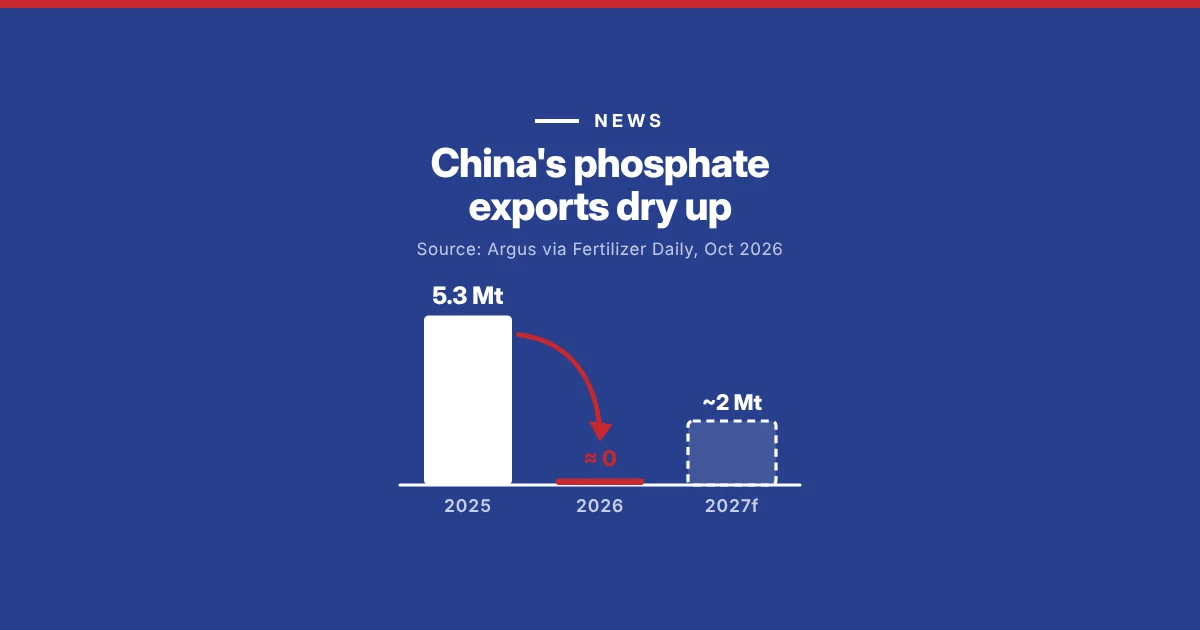
China, which exported about 5.3 million tonnes of phosphate fertilizer in 2025, has shipped almost none in 2026. With sulfur scarce and phosphate prices high, import-dependent markets face a tight season, and every kilo of phosphorus needs to work harder. At Van Polder, we believe a tight phosphate market is a reason to look again […]
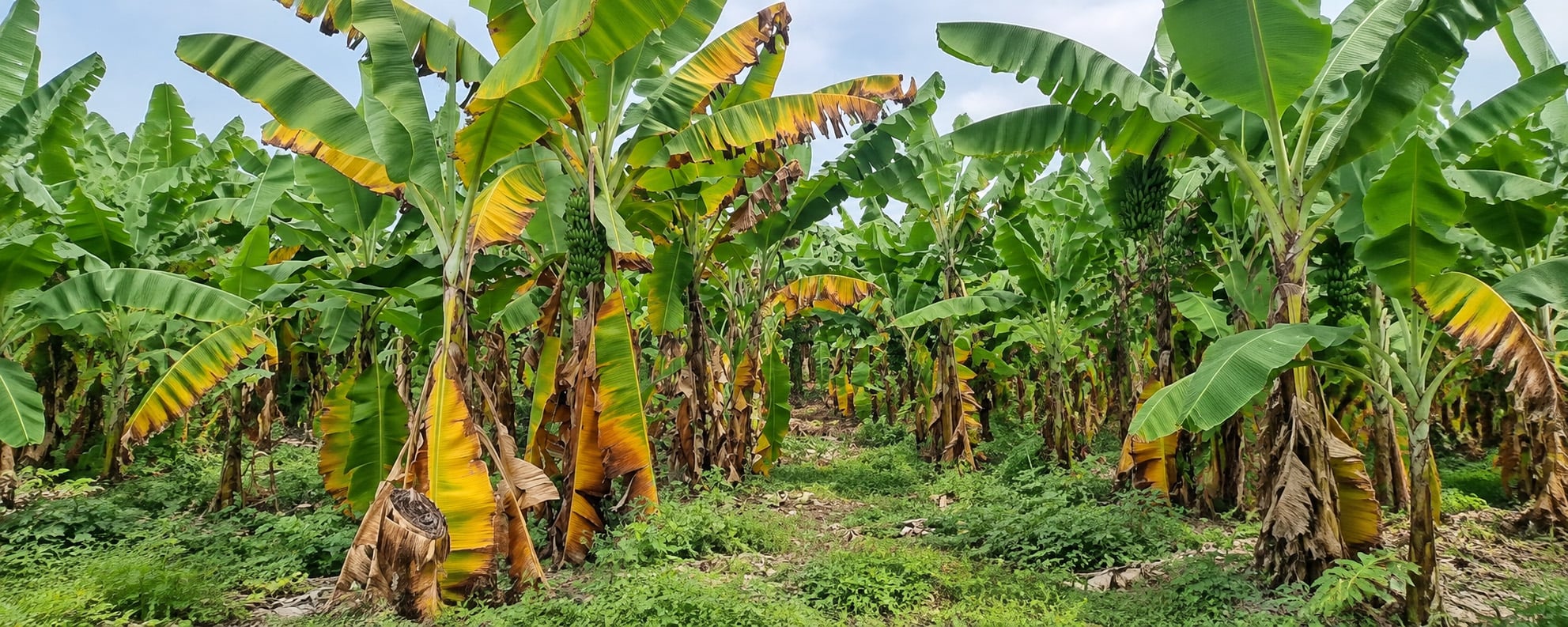
If you are starting a banana farm, Panama disease (Fusarium wilt of banana) is the risk to plan for. How to prevent Panama disease in bananas comes down to keeping the fungus out, because no fertilizer prevents or cures it and once it is in the soil it stays for decades (Pegg et al., 2019; […]
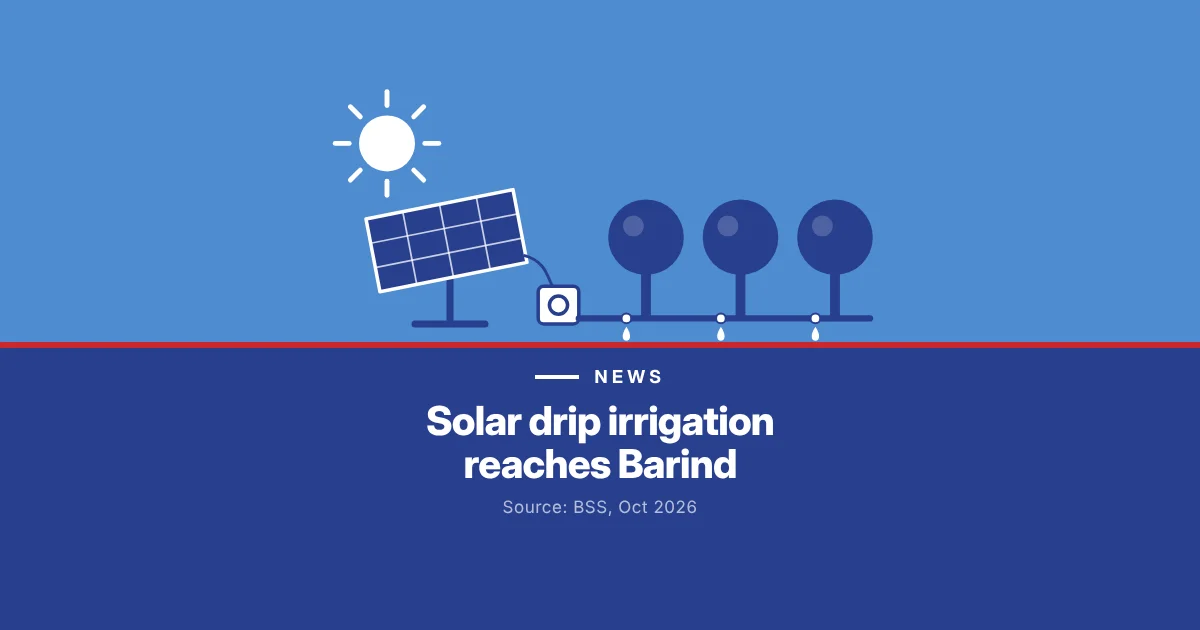
A government project in Bangladesh’s Rajshahi Division has brought solar-powered pumps, including solar drip systems for orchards, to drought-prone land where groundwater has been falling for decades. The Prime Minister wants all diesel irrigation pumps converted to solar within five years. For growers who move to drip, the next step is to feed the crop […]
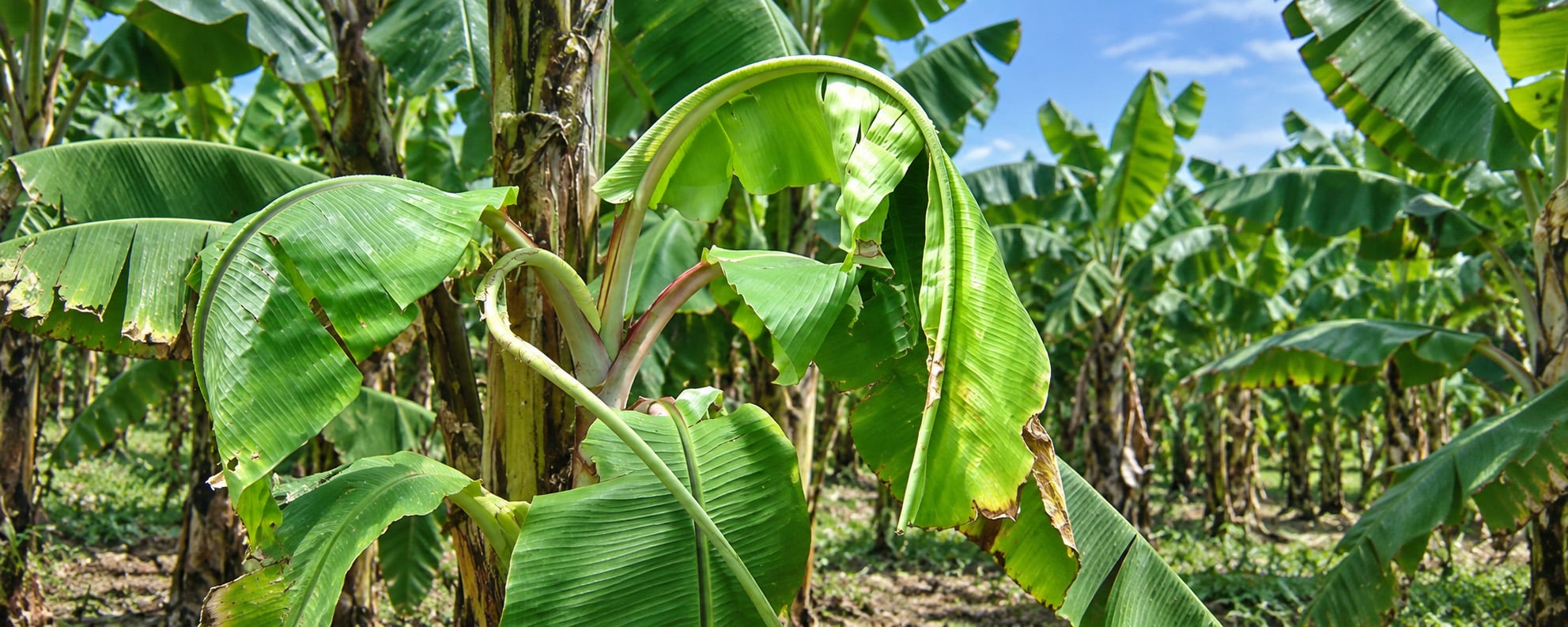
Calcium deficiency in banana shows first on the youngest leaves, as thickened veins and a saw-tooth pattern of yellow and dead tissue along the leaf margin, and in severe cases as “spike leaf”, new leaves with little or no blade, and poor-quality fruit (Turner, 1987; Martin-Prével, 1980). On most plantation soils it is not a […]
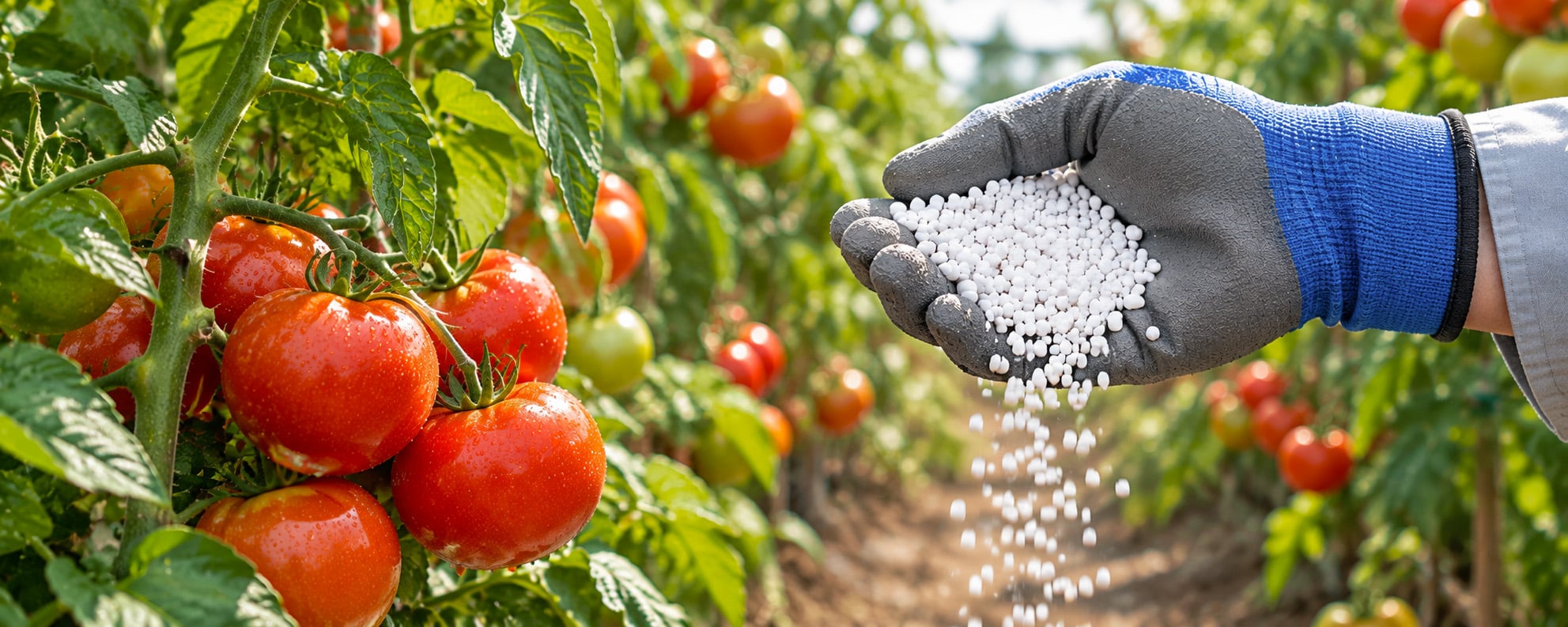
A calcium fertilizer supplies the calcium that holds plant cell walls and membranes together, but whether it reaches the fruit depends as much on water flow as on the fertilizer you choose. Calcium travels with water to the leaves and barely moves out of them again, so fruit and young leaves can run short even […]
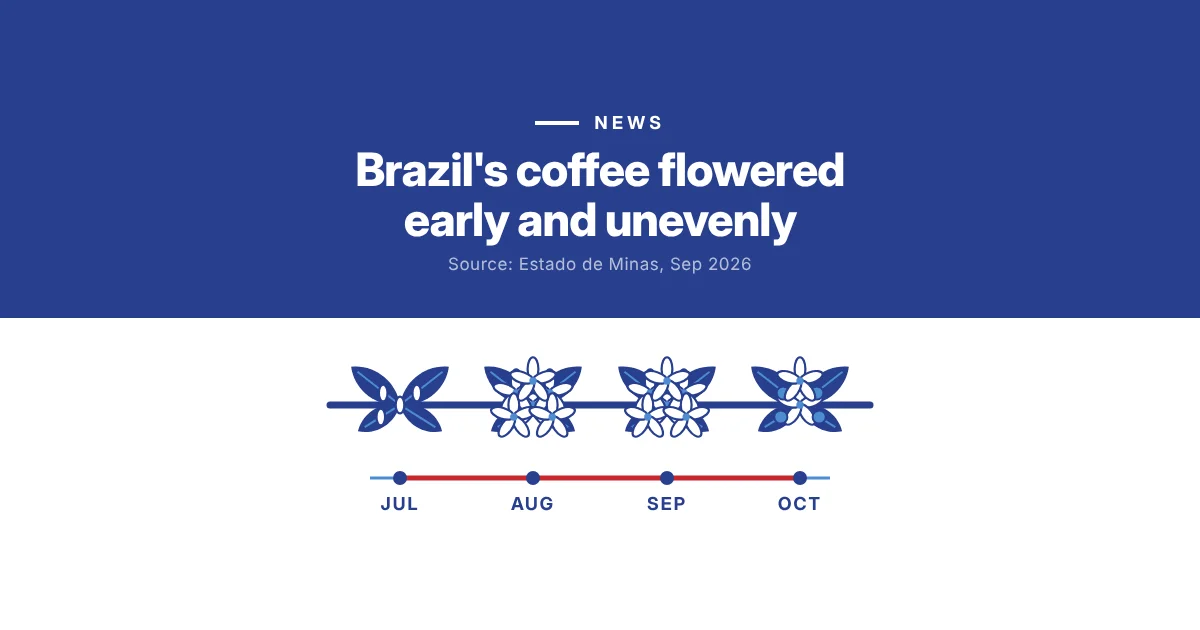
An unusually wet winter brought coffee flowering in Minas Gerais forward by about a month, in several separate waves. With October forecast to be hotter than normal and rain patchy, the question for 2027 is now how many of those flowers turn into fruit. At Van Polder, we believe a strong flowering is only the […]