







How to Use NPK 0-52-34 for Explosive Blooms and Sweeter Fruits
NPK 0-52-34, also known as Mono Potassium Phosphate (MKP), is a water-soluble fertilizer containing 52% phosphorus (P₂O₅) and 34% potassium (K₂O) with no nitrogen. It is widely used to stimulate flowering, improve fruit set, enhance fruit quality, and support strong root development without encouraging excessive vegetative growth. This guide explains how to apply NPK 0-52-34 […]

NPK 0-52-34, also known as Mono Potassium Phosphate (MKP), is a water-soluble fertilizer containing 52% phosphorus (P₂O₅) and 34% potassium (K₂O) with no nitrogen. It is widely used to stimulate flowering, improve fruit set, enhance fruit quality, and support strong root development without encouraging excessive vegetative growth. This guide explains how to apply NPK 0-52-34 correctly to maximize your overall crop performance and harvest quality.
1. 3 Effective Methods to Apply NPK 0-52-34
The following three application methods help maximize nutrient uptake and improve the effectiveness of NPK 0-52-34 under different growing conditions.
1.1. Fertigation (Drip Irrigation / Hydroponics)
Fertigation is often considered the optimal choice for high-tech farming systems because of the unique chemical properties of NPK 0-52-34.
How it Works:
- Complete water solubility: NPK 0-52-34 is 100% water-soluble and, in its technical grade, contains no insoluble particles or impurities. This allows the fertilizer to dissolve completely and deliver nutrients directly to the root zone for rapid absorption.
- Low salt index: With a salt index of only 8.4, it can be applied frequently without causing salt accumulation or root burn.
Additional Advantage:
Its mildly acidic nature (pH 4.2 – 4.9 in a 1% solution) provides an anti-clogging effect by helping remove calcium deposits and other mineral scales that commonly block drip emitters and micro-sprinklers.
1.2. Foliar Application
Foliar application provides a rapid nutrient supply when crops require immediate Phosphorus and Potassium supplementation.
How it Works:
- Fast nutrient delivery: Nutrients are absorbed directly through the leaves, making this method ideal for promoting flowering or supporting plants affected by root diseases, salinity, or environmental stress.
- Safe for foliage: The high-purity, chloride-free formulation minimizes the risk of phytotoxicity when applied at the recommended concentration.
Professional Techniques:
- Apply during cool periods: Spray in the early morning or late afternoon to reduce evaporation and prevent leaf burn.
- Improve spray coverage: Apply to both leaf surfaces and use a surfactant when necessary to increase adhesion and nutrient absorption.
1.3. Direct Soil Application
Soil application remains an effective method for supplying Phosphorus and Potassium directly to the root zone and supporting long-term plant development.
How it Works:
- Promotes root growth: Apply the fertilizer evenly around the root zone to encourage deeper and wider root development.
- Enhances nutrient utilization: Lightly incorporate the fertilizer into the soil after application to improve nutrient retention and absorption.
Important Note:
Do not place fertilizer directly against plant stems or trunks, as the concentrated nutrients may cause bark burn, root injury, or severe plant damage.
2. NPK 0-52-34 Dosages and Dilution Rates
Using the correct dilution ratio and application rate is essential to maximize nutrient uptake while preventing fertilizer waste or crop stress. The following recommendations provide a practical reference for most growing conditions.
- Prepare stock solutions correctly: For fertigation systems or large-scale mixing, dissolve 10 – 15 kg of NPK 0-52-34 per 100 liters of water. Because the fertilizer is 100% water-soluble, it forms a clear solution without sediment, making it suitable for drip irrigation and spray equipment.
- Apply the recommended rates according to the application method:
- Foliar application: Apply 2.5 – 5 kg/ha to provide a rapid supply of Phosphorus and Potassium during flowering and fruit development.
- Fertigation: Apply 25 – 50 kg/ha to deliver a consistent nutrient supply directly to the root zone, supporting root growth and fruit quality.
Adjust rates based on crop requirements: Use these recommendations as a general guideline and modify the dosage according to the crop type, growth stage, and nutritional demand. Performing a small-scale trial before full-field application is recommended, especially when using a new fertilizer program or growing sensitive crops.
3. Application Frequency Across Different Growing Systems
The application frequency of NPK 0-52-34 should be adjusted according to the cultivation system and the crop’s growth stage to maximize nutrient efficiency and avoid unnecessary fertilizer loss.
- Soil cultivation:
- Apply every 4 – 6 weeks during the vegetative stage to maintain healthy root growth and overall plant development.
- Increase the frequency to every 2 – 3 weeks before and during flowering or fruit development, when the demand for Phosphorus and Potassium is at its highest.
- Hydroponics and fertigation systems: NPK 0-52-34 can be supplied as part of the continuous nutrient solution because it is 100% water-soluble and leaves no residue that could clog irrigation equipment. Nutrient concentration should be adjusted according to the target PPM and the crop’s growth stage.
- Foliar application: Leave a minimum interval of 7 days between applications to reduce the risk of leaf burn or nutrient toxicity. For the best results, spray during the early morning or late afternoon and avoid applications under high temperatures.
4. Best Growth Stages to Apply NPK 0-52-34
Applying NPK 0-52-34 at the right growth stage allows crops to utilize its high Phosphorus and Potassium content more efficiently. The fertilizer is most beneficial during the following stages:
- Early growth and root establishment: Apply NPK 0-52-34 during the nursery stage or immediately after transplanting to stimulate vigorous root development. Its high Phosphorus content supports energy transfer and promotes deeper, more extensive root systems, allowing plants to absorb water and nutrients more efficiently from the beginning.
- Pre-flowering stage: Start applications 1 – 2 weeks before flowering to promote flower bud differentiation and encourage a faster transition from vegetative to reproductive growth. Since the formula contains 0% Nitrogen, it also helps reduce excessive shoot growth so that more energy is directed toward uniform flowering.
- Fruit set to harvest: Continue applying NPK 0-52-34 throughout fruit development to support consistent fruit growth and uniform ripening. The high Potassium content promotes sugar accumulation, improves fruit color and appearance, and enhances overall fruit quality and market value.
5. Important Notes When Using NPK 0-52-34
Below are five essential notes to ensure your fertilization program is both safe and effective.
- Apply NPK 0-52-34 only during the appropriate growth stage: This fertilizer is specifically formulated to support flowering, fruit development, and fruit quality rather than vigorous vegetative growth because it contains 0% Nitrogen. Avoid using it when crops require rapid leaf and stem development.
- Apply under suitable weather conditions to protect leaf tissues: For foliar spraying, apply in the early morning or late afternoon and avoid the hottest part of the day, as rapid evaporation can concentrate the fertilizer on leaf surfaces and increase the risk of foliar burn.
- Use only on healthy, actively growing crops: Avoid applying NPK 0-52-34 to plants weakened by drought, pests, or diseases, as stressed plants cannot efficiently utilize the supplied nutrients and concentrated fertilizer salts may further aggravate water loss.
- Do not mix directly with Calcium- or Magnesium-based fertilizers in concentrated tanks: These nutrients can react with phosphate to form insoluble precipitates that reduce nutrient availability and clog irrigation equipment. If both fertilizers are required, use separate A/B tanks.
- Always follow the recommended dosage and dilution rates: Although NPK 0-52-34 has a relatively low salt index, excessive concentrations can still create osmotic stress around the roots, resulting in root burn, dehydration, or plant wilting.
A well-timed application of NPK 0-52-34 can make a noticeable difference from flowering to harvest. Whether the goal is stronger root development, more uniform blooms, sweeter fruits, or higher market quality, this fertilizer delivers the greatest value when matched with the crop’s growth stage and nutritional demands. With the right application strategy, every season has the potential to produce healthier plants and more profitable harvests.


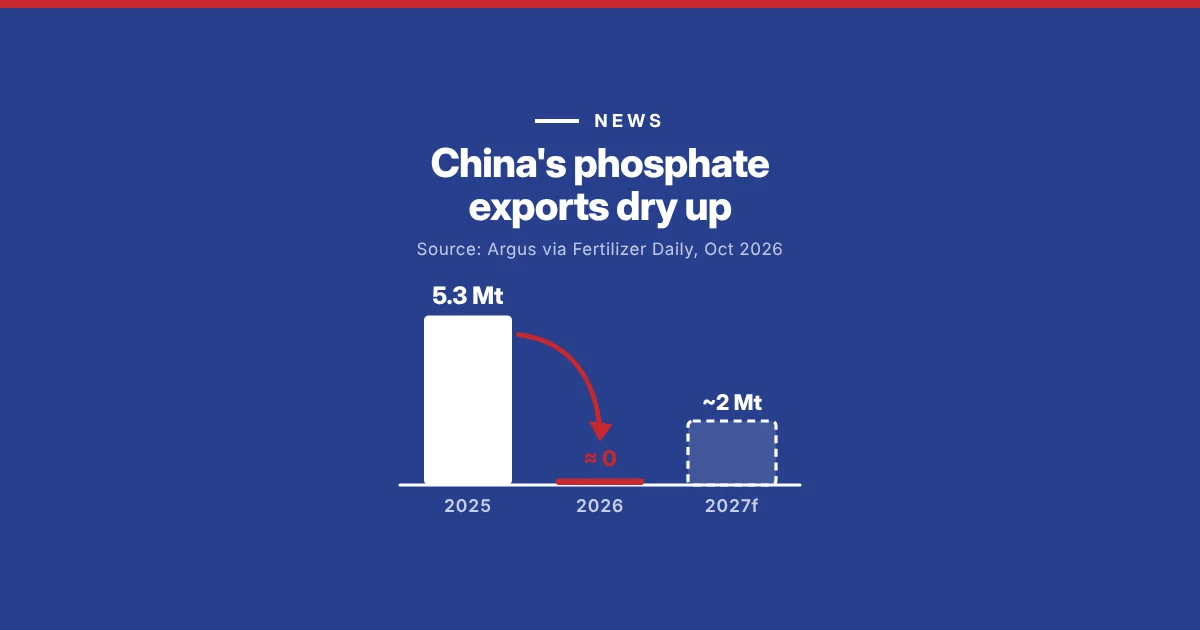
China, which exported about 5.3 million tonnes of phosphate fertilizer in 2025, has shipped almost none in 2026. With sulfur scarce and phosphate prices high, import-dependent markets face a tight season, and every kilo of phosphorus needs to work harder. At Van Polder, we believe a tight phosphate market is a reason to look again […]
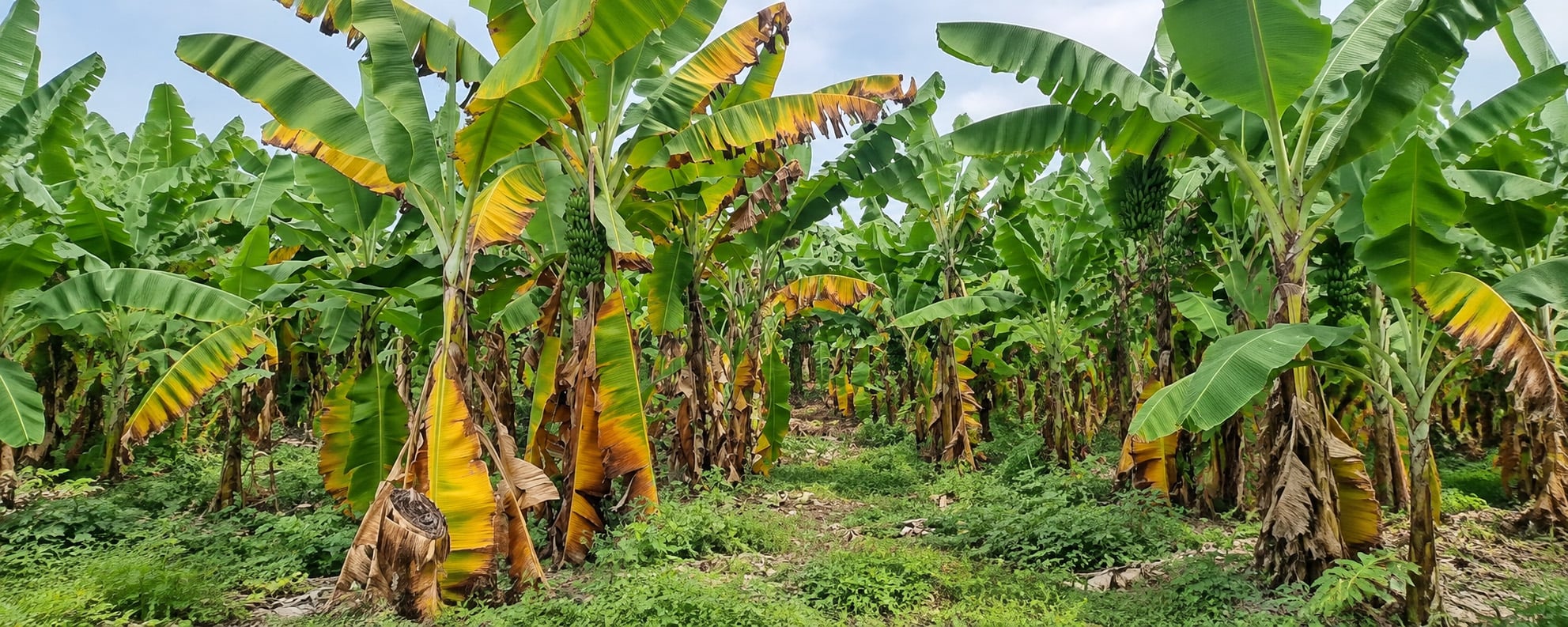
If you are starting a banana farm, Panama disease (Fusarium wilt of banana) is the risk to plan for. How to prevent Panama disease in bananas comes down to keeping the fungus out, because no fertilizer prevents or cures it and once it is in the soil it stays for decades (Pegg et al., 2019; […]
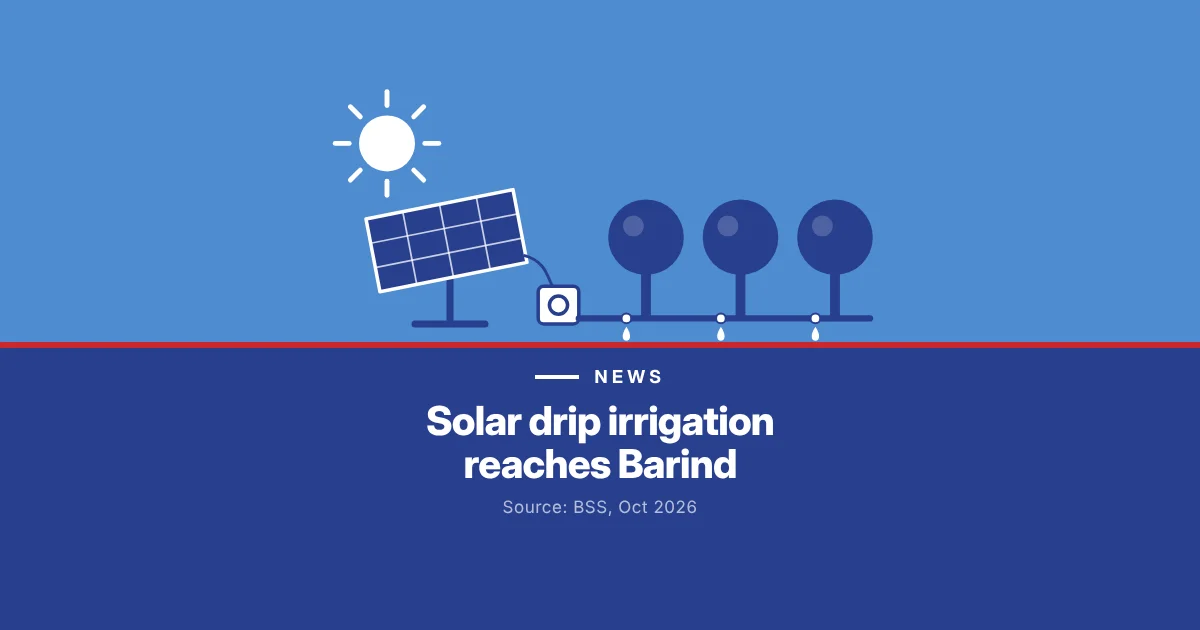
A government project in Bangladesh’s Rajshahi Division has brought solar-powered pumps, including solar drip systems for orchards, to drought-prone land where groundwater has been falling for decades. The Prime Minister wants all diesel irrigation pumps converted to solar within five years. For growers who move to drip, the next step is to feed the crop […]
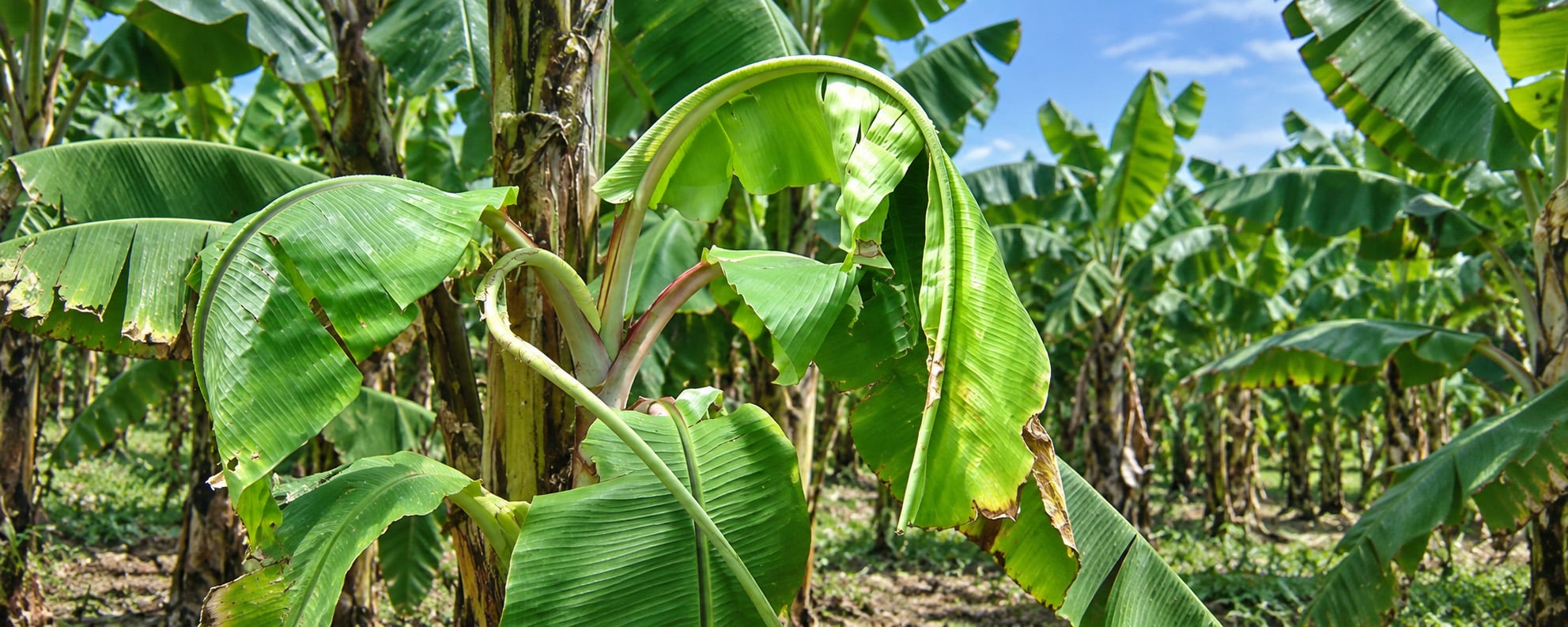
Calcium deficiency in banana shows first on the youngest leaves, as thickened veins and a saw-tooth pattern of yellow and dead tissue along the leaf margin, and in severe cases as “spike leaf”, new leaves with little or no blade, and poor-quality fruit (Turner, 1987; Martin-Prével, 1980). On most plantation soils it is not a […]
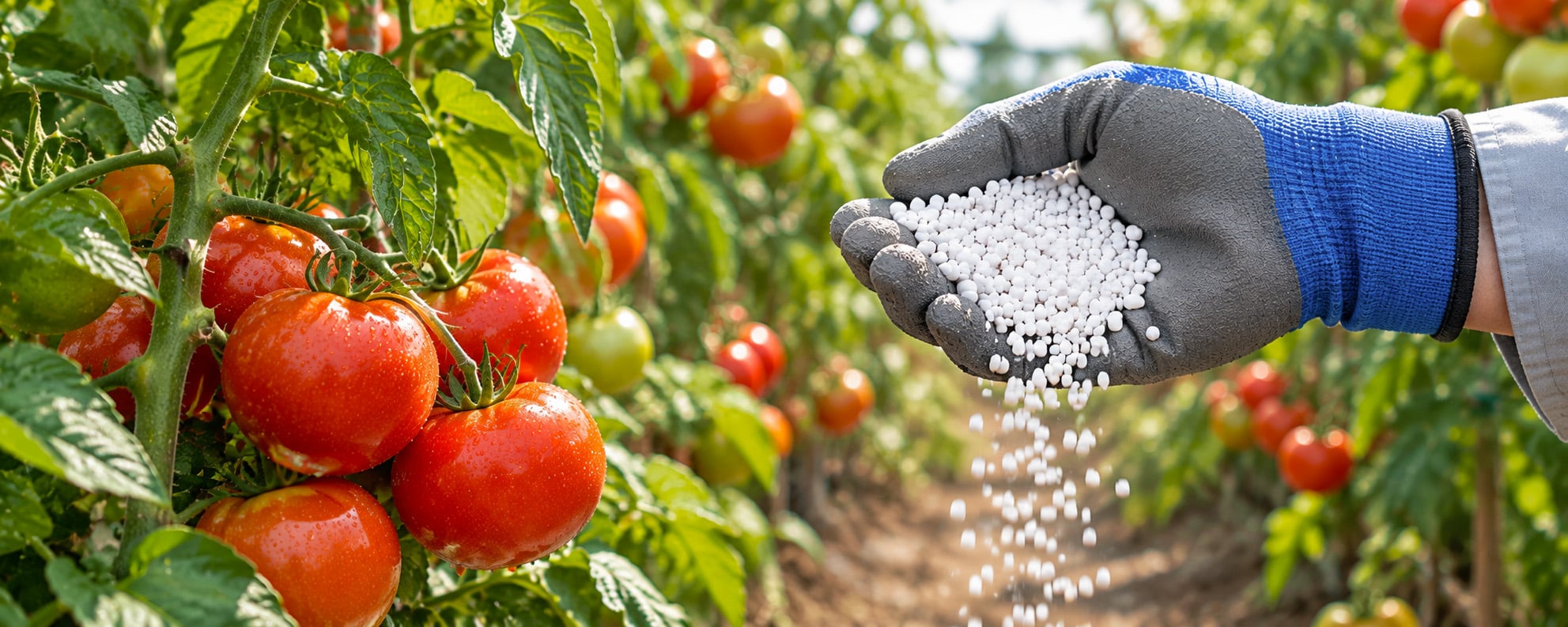
A calcium fertilizer supplies the calcium that holds plant cell walls and membranes together, but whether it reaches the fruit depends as much on water flow as on the fertilizer you choose. Calcium travels with water to the leaves and barely moves out of them again, so fruit and young leaves can run short even […]
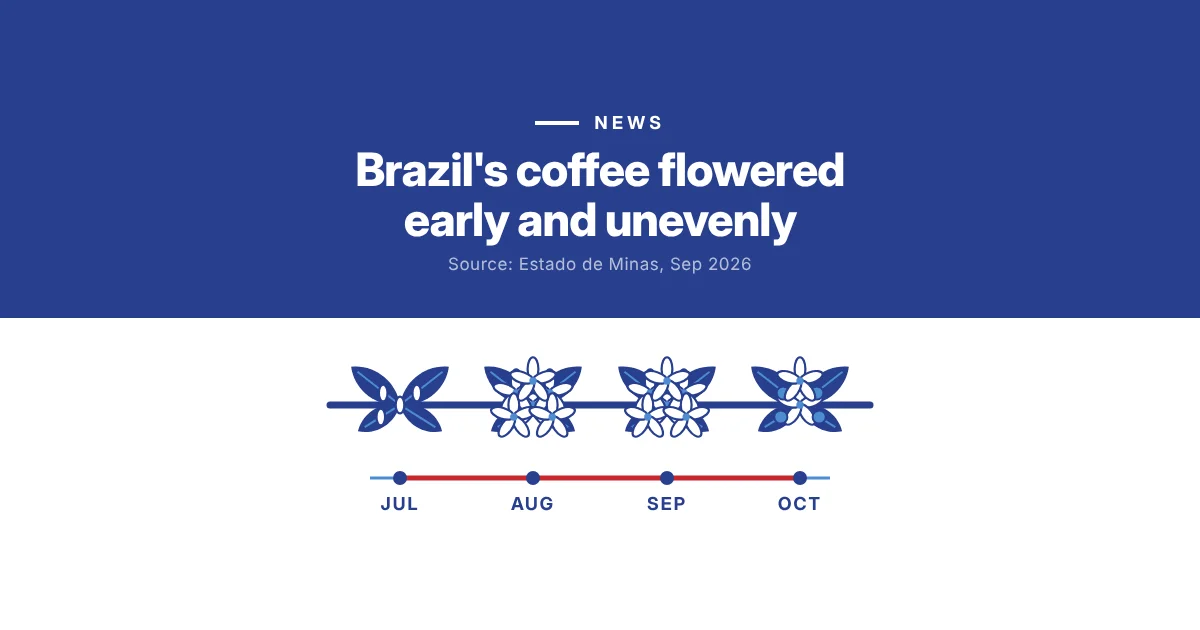
An unusually wet winter brought coffee flowering in Minas Gerais forward by about a month, in several separate waves. With October forecast to be hotter than normal and rain patchy, the question for 2027 is now how many of those flowers turn into fruit. At Van Polder, we believe a strong flowering is only the […]