






Fish Amino Acid Fertilizer Ingredients: The Golden 1:1 KNF Ratio
Fish Amino Acid (FAA) is a natural liquid fertilizer widely used in the Korean Natural Farming (KNF) system to supply plants with readily available amino acids and organic nitrogen. While the fermentation process is important, the quality of the final product depends first on selecting the right fish amino acid fertilizer ingredients and maintaining the […]
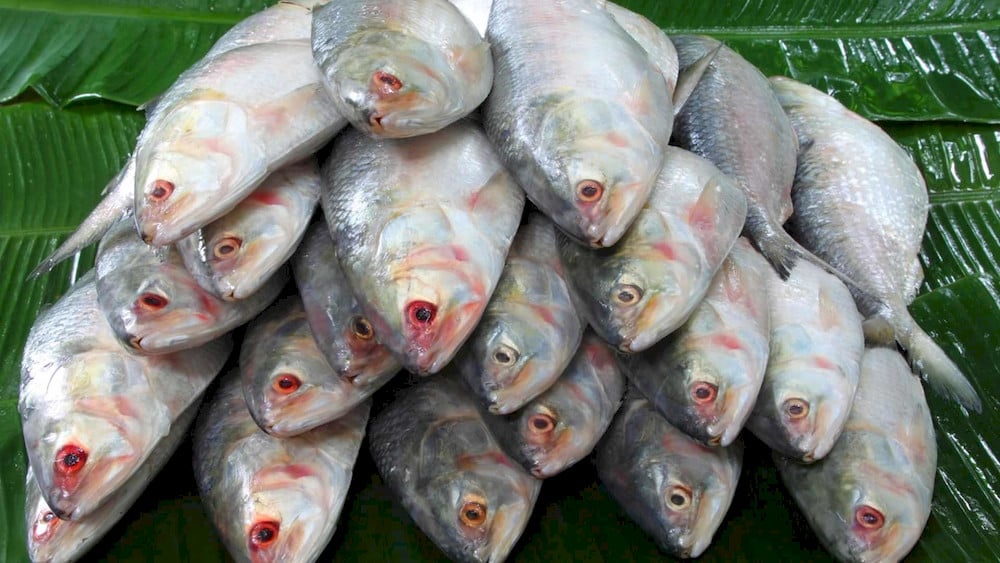

Fish Amino Acid (FAA) is a natural liquid fertilizer widely used in the Korean Natural Farming (KNF) system to supply plants with readily available amino acids and organic nitrogen. While the fermentation process is important, the quality of the final product depends first on selecting the right fish amino acid fertilizer ingredients and maintaining the correct mixing ratio. This guide explains the two essential ingredients, the golden 1:1 KNF ratio, and a simple overview of how FAA is prepared.
1. Core Fish Amino Acid Fertilizer Ingredients
Only two core fish amino acid fertilizer ingredients are required to produce high-quality FAA: fresh fish waste and an unrefined carbohydrate source. Below are the characteristics and roles of each component:
1.1. Fish Waste
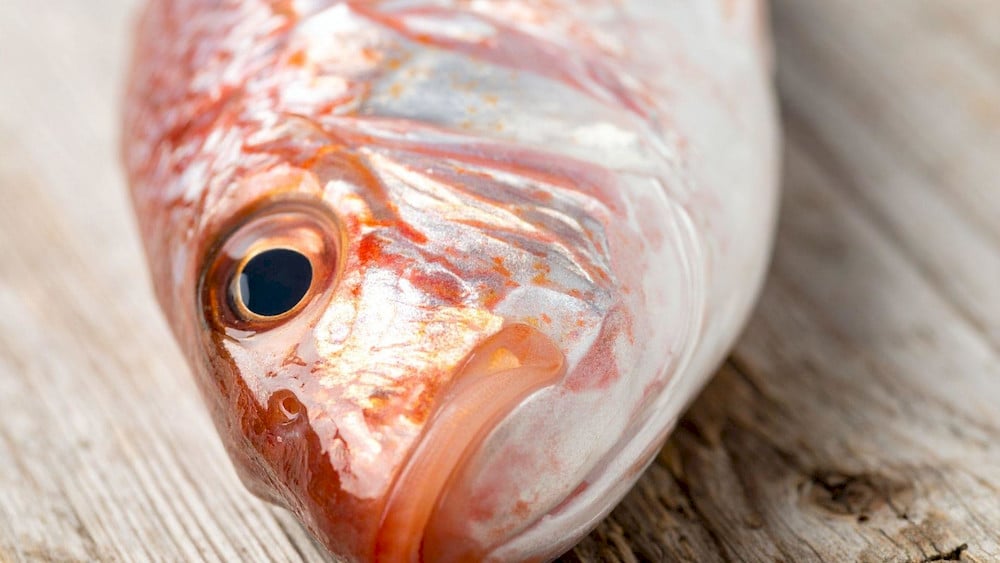
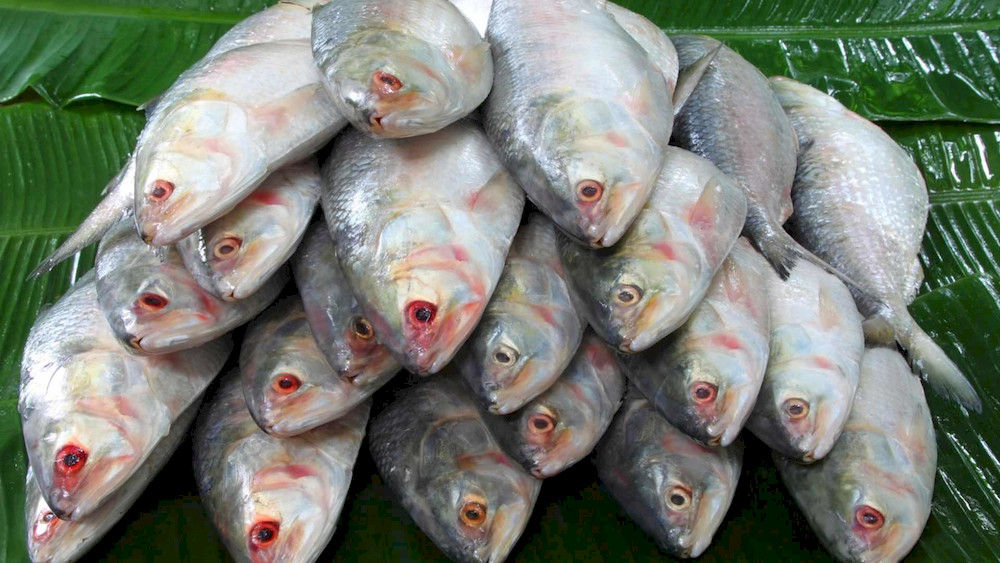
Common materials include fish heads, bones, skin, scales, fins, and viscera (internal organs). They can come from marine, freshwater, or brackish fish, although the nutrient composition of each species influences the quality of the finished FAA.
Role:
- Supply organic nitrogen and a wide range of essential amino acids, including glutamic acid, glycine, and proline.
- Support plant growth while providing nutrients that stimulate beneficial soil microorganisms.
- Fish viscera play an especially important role because they naturally contain enzymes such as pepsin and trypsin. These enzymes promote autolysis, allowing fish proteins to break down into small peptides and free amino acids without high-temperature processing.
Best fish choices: Oily fish such as mackerel, sardines, anchovies, and tuna are ideal because they contain higher protein levels together with beneficial fatty acids (DHA and EPA) and vitamins A and D.
Key notes:
- Fish by-products typically represent 60 – 70% of the total weight of a whole fish.
- Fish viscera account for approximately 8 – 15% of total fish weight.
- Fish backbones may contain around 30% protein.
- Always use fresh, raw fish. Cooked fish is not suitable for FAA fermentation because heat denatures proteins and reduces the effectiveness of natural enzymatic breakdown.
1.2. Carbohydrate Source
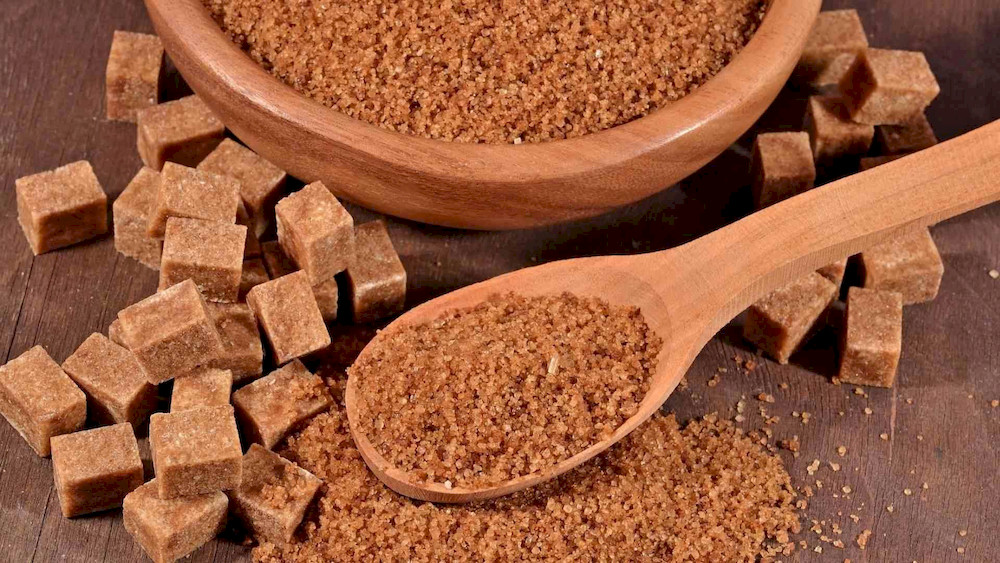
In traditional Korean Natural Farming (KNF), fish by-products are mixed with an unrefined sugar source, typically at a 1:1 ratio by weight, to support efficient fermentation.
Suitable carbohydrate sources:
- Brown sugar (the standard KNF choice).
- Jaggery.
- Palm sugar.
- Panela.
Role:
- Creates strong osmotic pressure, drawing water, proteins, amino acids, and oils from fish tissues into the fermentation liquid.
- Serves as the primary food source for beneficial microorganisms throughout fermentation.
- Acts as a natural preservative by suppressing spoilage microbes, preventing the fish from rotting. Properly fermented FAA should have a mildly sweet, slightly fishy aroma similar to oyster sauce rather than a foul odor.
Key notes:
- Unrefined sugars are preferred because they contain trace minerals that enhance microbial activity during fermentation.
- Although molasses is sometimes used, many KNF practitioners favor solid brown sugar because it performs better in the traditional layering method, creating stronger osmotic pressure for extracting nutrients from solid fish materials.
2. The Golden 1:1 Ratio of FAA Ingredients
The goal of making Fish Amino Acid (FAA) is not to let fish decompose, but to create a stable fermentation process that efficiently extracts nutrients and converts fish proteins into plant-available amino acids. For this reason, the traditional KNF method recommends mixing fresh fish by-products and unrefined sugar at a 1:1 ratio by weight.
- Creates strong osmotic pressure: A high concentration of sugar draws water, proteins, amino acids, and oils out of fish cells, accelerating nutrient extraction and gradually liquefying the fish within 3 – 5 days.
- Acts as a natural preservative: The concentrated sugar environment suppresses spoilage bacteria while preventing the fish from rotting. Properly fermented FAA should develop a sweet, slightly fishy aroma rather than a foul odor.
- Supports beneficial microorganisms: The sugar provides an ideal energy source for beneficial microbes, allowing them to convert complex fish proteins into amino acids. Fermentation can be further enhanced by adding indigenous microorganisms (IMO) or leaf mold soil.
- Improves long-term storage stability: Maintaining the correct 1:1 ratio keeps the fermentation stable for years under cool storage conditions, while the remaining fish solids gradually dissolve into a concentrated, nutrient-rich liquid.
3. Step-by-Step DIY Guide: How to Make FAA
Below is a simplified overview of how to make fish amino acid fertilizer using the traditional KNF fermentation method.
- Step 1 – Prepare the fish scraps: Clean fresh fish by-products and chop them into small pieces to increase the surface area, allowing nutrients to be extracted more efficiently during fermentation.
- Step 2 – Mix with sugar: Combine the fish scraps with unrefined brown sugar at the recommended ratio, ensuring the fish pieces are evenly coated to promote osmotic extraction and reduce spoilage.
- Step 3 – Layer the ingredients.:Place the fish mixture into a fermentation container, cover the top with a thick layer of sugar, and leave sufficient empty space for gas release during fermentation.
- Step 4 – Ferment the mixture: Store the container in a cool, dark, well-ventilated place. The fish will gradually liquefy within a few days, while complete fermentation generally takes 30 – 45 days, with longer fermentation producing a more stable, nutrient-rich FAA.
- Step 5 – Harvest the liquid: Once fermentation is complete, filter the mixture to separate the liquid Fish Amino Acid fertilizer from the solid residues. The finished FAA should have a sweet, slightly fishy aroma, indicating successful fermentation.
| For detailed instructions and practical tips, see our complete guide: How to Make Fish Amino Acid Fertilizer. |
Understanding the right fish amino acid fertilizer ingredients is the foundation of producing a stable and nutrient-rich FAA. By combining fresh fish waste with an appropriate unrefined carbohydrate source at the recommended 1:1 ratio, growers can create an effective fertilizer that supports healthy fermentation and long-term storage.


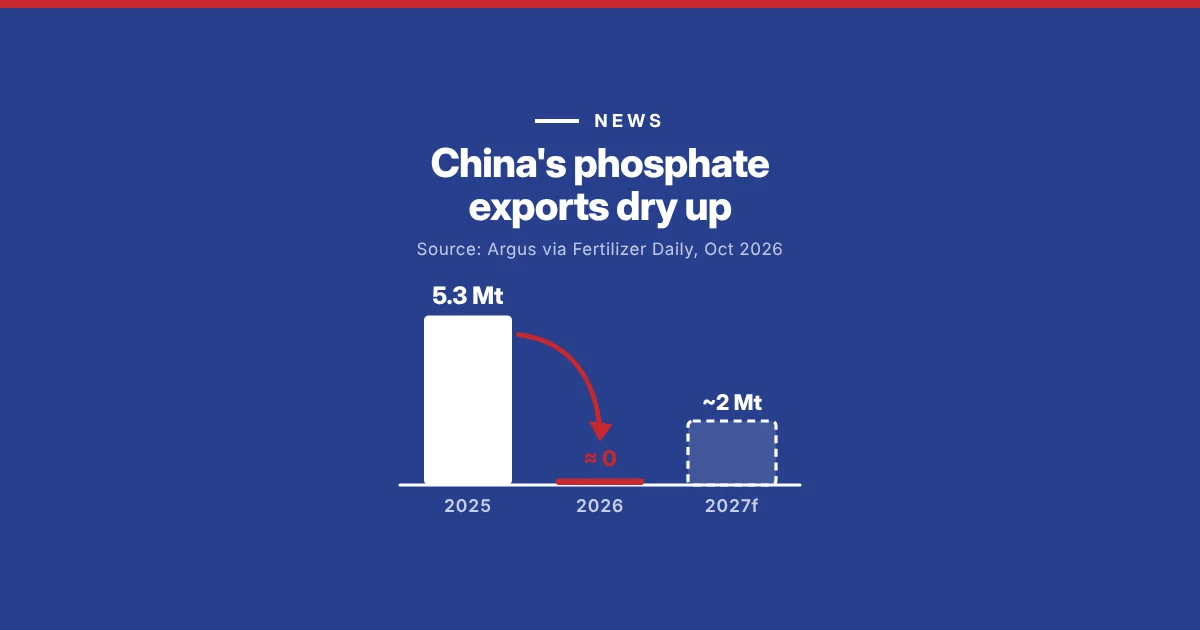
China, which exported about 5.3 million tonnes of phosphate fertilizer in 2025, has shipped almost none in 2026. With sulfur scarce and phosphate prices high, import-dependent markets face a tight season, and every kilo of phosphorus needs to work harder. At Van Polder, we believe a tight phosphate market is a reason to look again […]
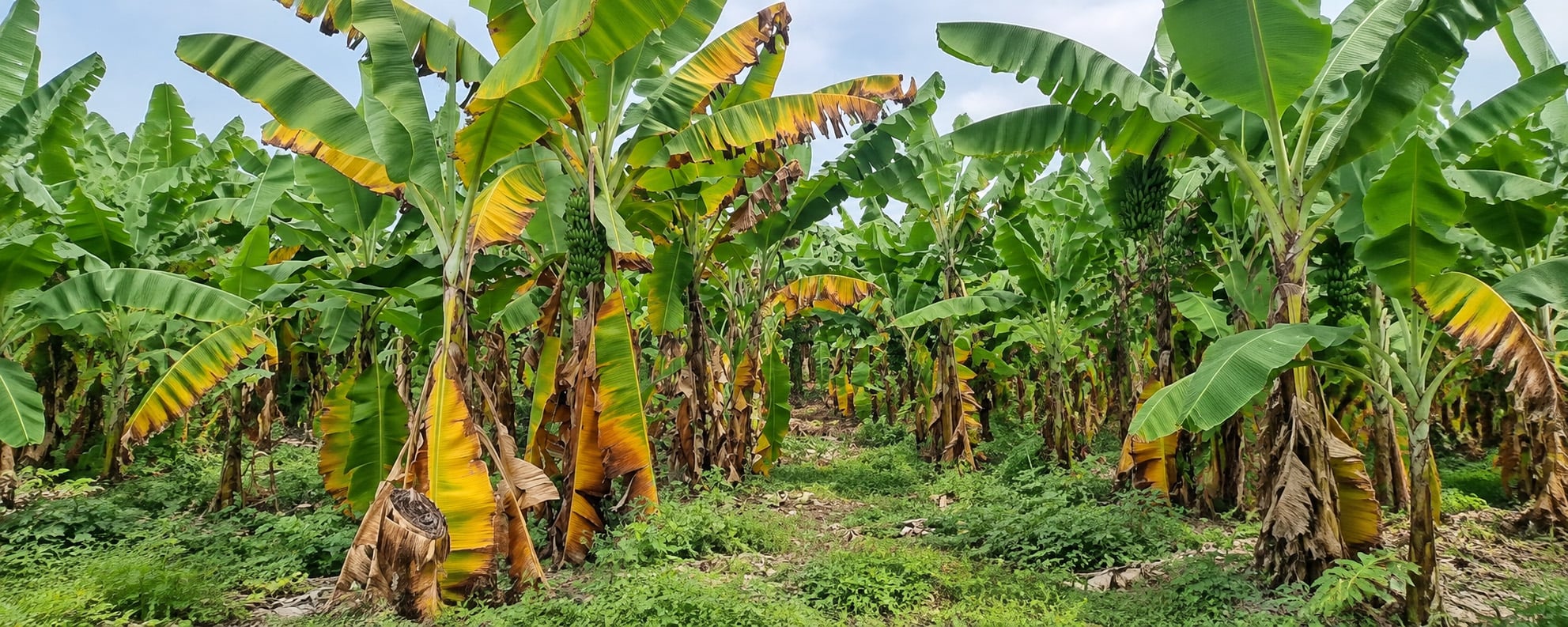
If you are starting a banana farm, Panama disease (Fusarium wilt of banana) is the risk to plan for. How to prevent Panama disease in bananas comes down to keeping the fungus out, because no fertilizer prevents or cures it and once it is in the soil it stays for decades (Pegg et al., 2019; […]
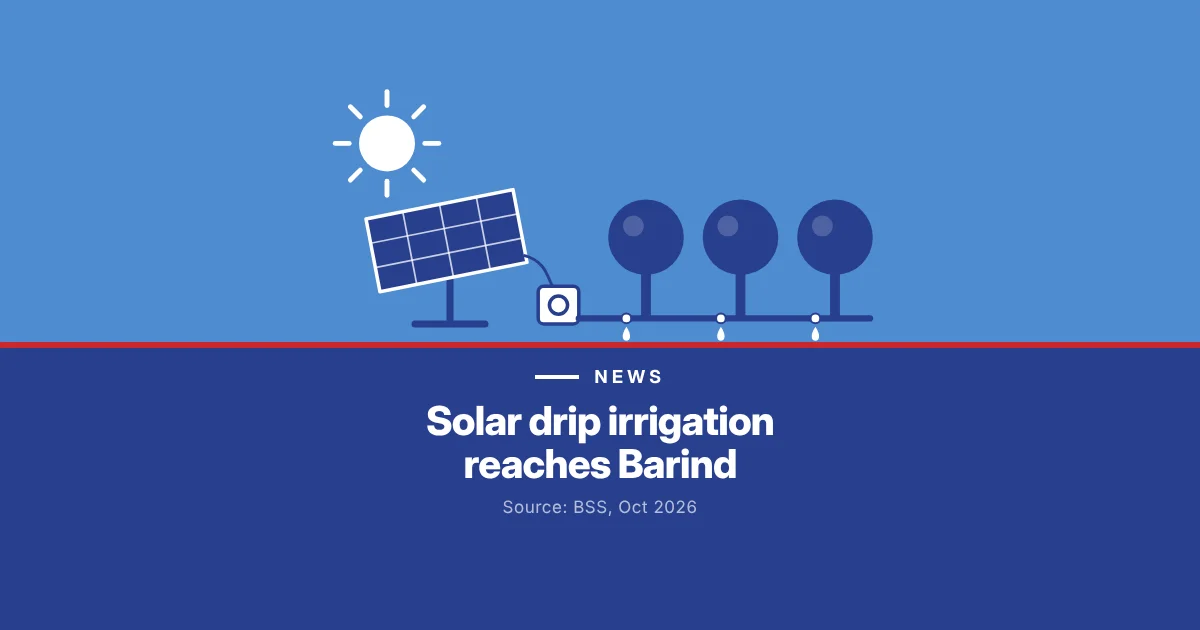
A government project in Bangladesh’s Rajshahi Division has brought solar-powered pumps, including solar drip systems for orchards, to drought-prone land where groundwater has been falling for decades. The Prime Minister wants all diesel irrigation pumps converted to solar within five years. For growers who move to drip, the next step is to feed the crop […]
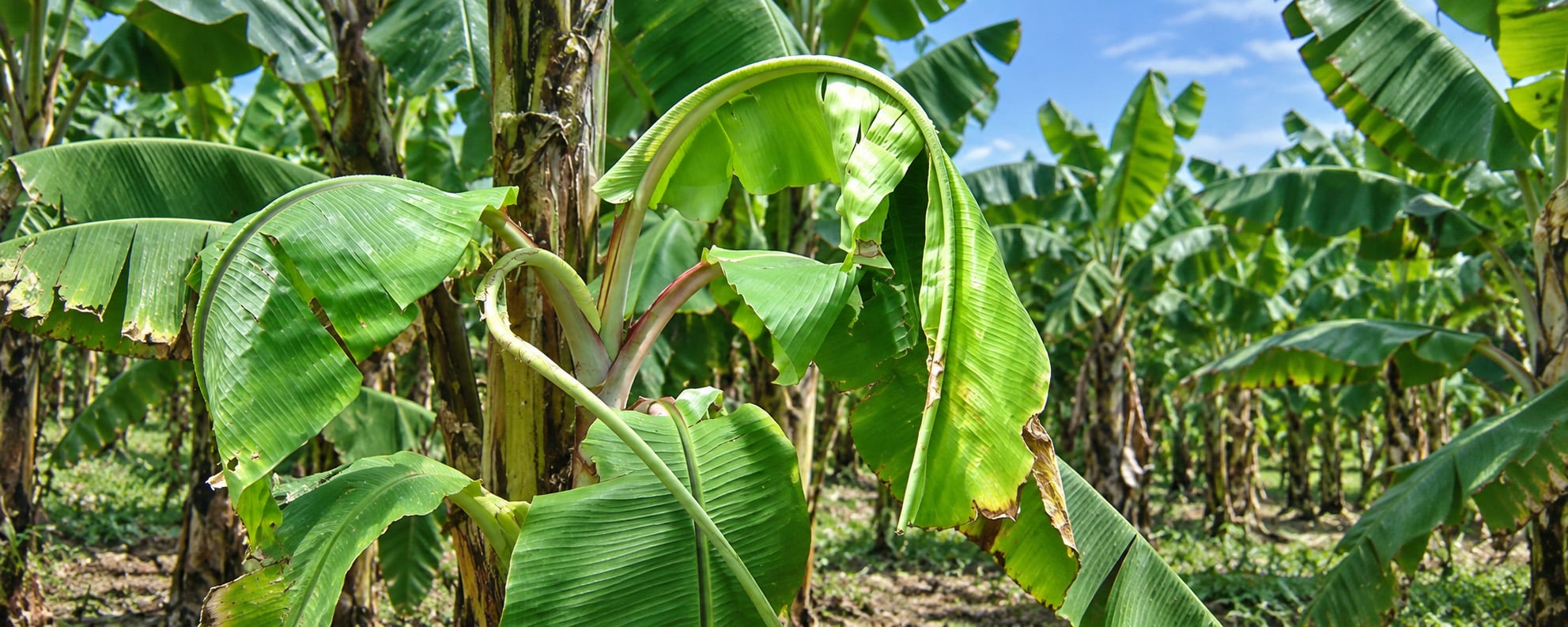
Calcium deficiency in banana shows first on the youngest leaves, as thickened veins and a saw-tooth pattern of yellow and dead tissue along the leaf margin, and in severe cases as “spike leaf”, new leaves with little or no blade, and poor-quality fruit (Turner, 1987; Martin-Prével, 1980). On most plantation soils it is not a […]
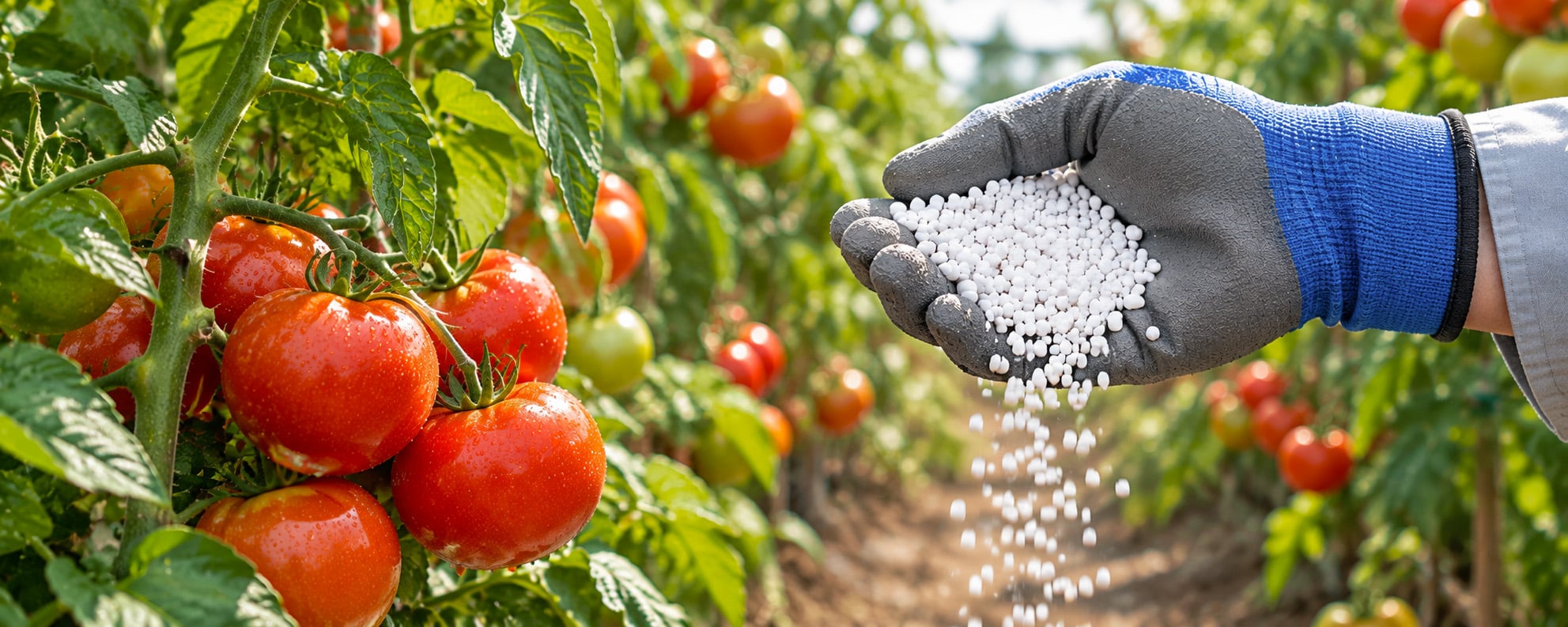
A calcium fertilizer supplies the calcium that holds plant cell walls and membranes together, but whether it reaches the fruit depends as much on water flow as on the fertilizer you choose. Calcium travels with water to the leaves and barely moves out of them again, so fruit and young leaves can run short even […]
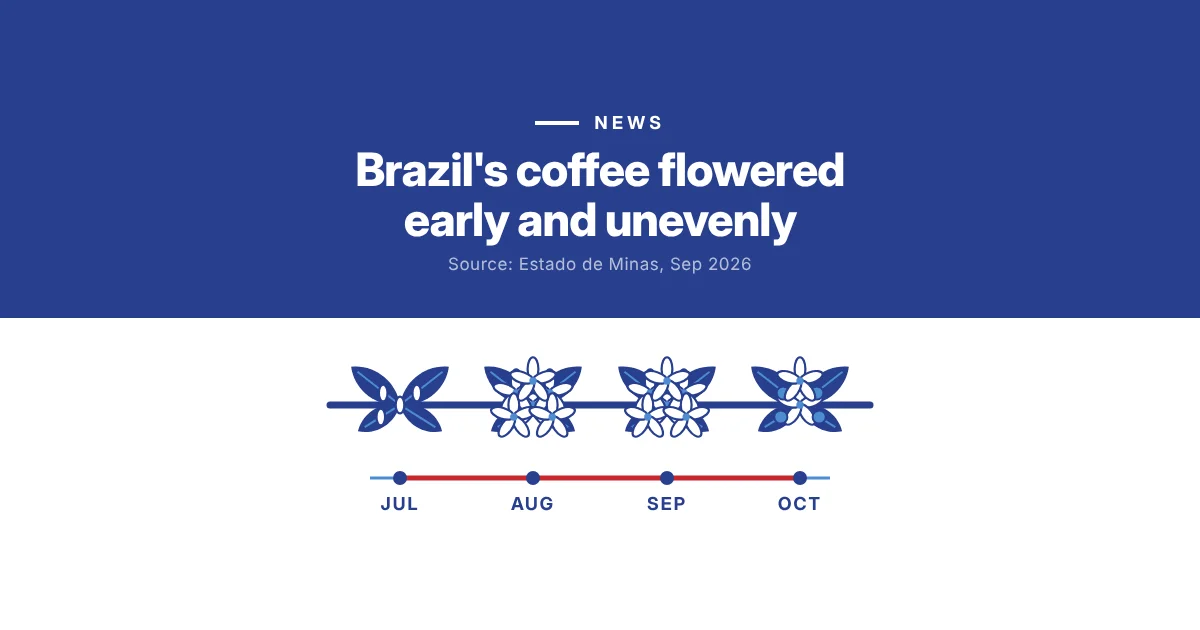
An unusually wet winter brought coffee flowering in Minas Gerais forward by about a month, in several separate waves. With October forecast to be hotter than normal and rain patchy, the question for 2027 is now how many of those flowers turn into fruit. At Van Polder, we believe a strong flowering is only the […]