







Top 7 Fish Amino Acid Fertilizer Benefits for Organic Farms and Higher Yields
Fish Amino Acid or FAA is a highly nutritious liquid fertilizer produced through the natural fermentation of fresh fish and molasses. This potent bio stimulant bypasses the traditional breakdown process by delivering immediate and easily absorbable organic nitrogen alongside vital amino acids directly to plant cells. In this article, we will explore the top 7 […]


Fish Amino Acid or FAA is a highly nutritious liquid fertilizer produced through the natural fermentation of fresh fish and molasses. This potent bio stimulant bypasses the traditional breakdown process by delivering immediate and easily absorbable organic nitrogen alongside vital amino acids directly to plant cells. In this article, we will explore the top 7 fish amino acid fertilizer benefits that will help your organic farm maximize its yield safely and sustainably.
1. 3 Benefits of Fish Amino Acid Fertilizer for Plants
The following core benefits demonstrate how Fish Amino Acid serves as a powerful nutrient source to transform your crop health and overall farm productivity.
1.1. Rapid Nutrient Absorption and Enhanced Photosynthesis
Its benefits are most clearly seen in how quickly plants absorb nutrients and how effectively they convert energy for development.
- Direct and fast nutrient uptake: Unlike conventional chemical fertilizers that must first break down in the soil, the free amino acids in FAA can be absorbed directly by plants through both roots and leaves. This allows nutrients to be available almost immediately, supporting faster and more efficient plant growth.
- Stimulates chlorophyll production: FAA acts as a natural metabolic booster that enhances the formation of chlorophyll, the pigment responsible for healthy green leaves. Higher chlorophyll levels lead to richer, greener foliage while helping reduce leaf yellowing and nutrient deficiency symptoms.
- Improves photosynthetic efficiency: With increased chlorophyll content, plants can capture sunlight more effectively and convert it into energy through photosynthesis. This leads to stronger metabolic activity, healthier plant development, and improved crop yield potential.
- Enhances nutrient utilization: The amino acids in FAA also function as natural chelating agents, improving the availability and movement of essential minerals in the soil. This helps plants absorb not only nitrogen more efficiently but also other key micronutrients needed for balanced growth.

1.2. Acceleration of Seed Germination and Root Development
FAA acts as a natural growth stimulant during early stages, and this is one of the most important fish amino acid fertilizer benefits for plants in supporting seed germination and root development.
- Stimulation of early growth and vigor: FAA is classified as a potent plant growth stimulator that provides bioavailable organic nitrogen and amino acids to jumpstart metabolic processes. When applied at the seedling stage, it enhances early vigor and helps young plants transition more smoothly through their most vulnerable phase.
- Expansion of root morphology: Research shows that fish protein fertilizers significantly increase total root length, root dry weight, and root surface area. This expansion improves the plant’s ability to explore a larger soil volume for water and essential minerals.
- Biochemical activation of root cells: The amino acids in FAA promote auxin synthesis and activate cell division and elongation pathways. This results in faster development of root hairs and feeder roots, which are essential for nutrient uptake.
- Development of efficient root structures: FAA increases the proportion of thick, strong roots while reducing weaker fine roots. These robust structures improve the transport of water and nutrients throughout the plant.
- Enhanced resilience through stronger foundations: A stronger root system improves plant tolerance to environmental stress and pests from the earliest stage. It also helps plants become self-sufficient faster by utilizing soil nutrients more effectively.
1.3. Elevated Plant Immunity and Pest Resistance
Fish Amino Acid fertilizer offers an organic approach that supports faster growth, stronger root development, improved photosynthesis, and enhanced natural resistance against pests and diseases.
- Activation of the natural immune system: FAA contains bioactive compounds that help strengthen a plant’s natural defense mechanisms. This improves resistance to common problems such as fungal infections and bacterial attacks that often cause leaf yellowing or stem damage.
- Fortification from the inside out: Instead of only supplying surface nutrients, FAA nourishes the plant’s internal physiology, promoting healthier foliage and stronger root systems. This internal strengthening increases overall resilience to environmental stress.
- Natural pest repellency: In systems like Korean Natural Farming (KNF), FAA is commonly used as a key ingredient in natural pesticides and repellents. These preparations help repel harmful insects and reduce reliance on synthetic chemicals.
- Production of stress-resistant proteins: The amino acids in FAA provide essential building blocks for protein synthesis related to stress tolerance. This helps plants remain healthy and productive even under pest pressure or unfavorable conditions.
- Reduction in chemical dependency: By strengthening the plant’s natural defenses, FAA reduces the need for chemical treatments. This supports a more balanced and sustainable agricultural ecosystem.
2. 2 Benefits of Fish Amino Acid Fertilizer for Soil Ecosystems
The following impacts highlight how Fish Amino Acid (FAA) acts as a powerful biological catalyst that revitalizes soil life and improves overall soil structure and function.
2.1. Multiplying Beneficial Soil Microorganisms
FAA plays a crucial role in stimulating soil biological activity by providing essential nutrients that support rapid microbial growth and ecosystem regeneration.
- Abundant organic food source: FAA is rich in amino acids and proteins, offering a readily available food source for soil microorganisms. It supplies essential carbon and nitrogen compounds that directly promote microbial growth.
- Increase in microbial biomass: Studies show that fish protein fertilizers significantly raise microbial biomass carbon (MBC) and microbial biomass nitrogen (MBN) in soil. This microbial activity accelerates organic matter decomposition and nutrient availability for plants.
- Activation of soil enzymes: FAA enhances the activity of key soil enzymes such as urease, sucrase, and acid phosphatase. These enzymes are essential for nutrient cycling and organic matter breakdown.
- Improved phosphorus availability: By stimulating phosphate-solubilizing bacteria and increasing enzymatic activity, FAA promotes phosphorus activation. This converts bound phosphorus into plant-available forms, unlocking previously inaccessible soil nutrients.
2.2. Improvement of Soil Physical Structure and Aeration
FAA also contributes to restoring degraded soils by improving their physical properties, water dynamics, and overall structural stability.
- Reversing soil degradation: Continuous use of chemical fertilizers can lead to soil salinization and reduced productivity. Organic FAA helps improve bulk density and stabilize soil organic carbon, supporting soil recovery.
- Enhanced soil porosity and aeration: FAA improves soil structure by increasing porosity. This allows better airflow and easier root penetration, preventing root stress in compacted soils.
- Improved moisture retention: Rich in organic matter, FAA enhances the soil’s water-holding capacity. The soil acts more like a sponge, retaining moisture longer and reducing irrigation needs.
- Reduced soil acidification: Research shows that fish protein fertilizers can help increase soil pH in acidic conditions. This reduces acidity and raises soil organic carbon, creating a more favorable environment for soil life.
- Reduced chemical runoff: Improved soil structure and nutrient absorption help minimize nutrient leaching into water systems. This reduces pollution and protects surrounding aquatic ecosystems.
- Long-term fertility building: Continuous application of FAA can gradually increase soil organic matter over time. This builds long-term soil fertility and strengthens overall ecosystem sustainability.

3. 2 Eco & Financial Advantages of Fish Amino Acid
Evidence from the provided sources shows that FAA delivers clear economic advantages by reducing farm input costs, improving crop productivity, and supporting sustainable resource utilization through waste upcycling.
3.1. Substantial Reduction in Farm Input Costs
One of the most practical benefits of fish amino acid fertilizer is the reduction in input costs while improving crop yield and farm profitability.
- Reduction in fertilizer and pesticide expenses: Studies and practitioner reports show that using FAA can reduce synthetic fertilizer and chemical pesticide costs by approximately 20% to 60%.
- High savings in natural farming systems: In models such as Korean Natural Farming (KNF), input costs can be reduced by up to 90% by producing biological inputs from locally available resources.
- Increase in crop yields: Improved nutrient use efficiency from FAA application typically leads to yield increases of around 5% to 20%.
- Strong performance in high-value crops: Trials in Lei bamboo forests showed that partially replacing chemical fertilizer with fish protein fertilizer increased shoot yields by 23.24% to 26.19%.
- Improved farm profitability: The combination of lower input costs and higher yields significantly increases net farm income and enhances long-term economic stability.
3.2. Upcycling Fisheries Waste Into A Circular Economy
FAA production transforms fishery byproducts into valuable agricultural inputs, supporting environmental protection and sustainable resource cycling.
- Maximizing resource utilization: Fish waste such as heads, guts, and bones is converted into organic fertilizer instead of being discarded, ensuring full utilization of raw materials. Because the final product still originates from raw, perishable fish material, many growers naturally wonder does fish amino acid fertilizer expire once it has been fermented and bottled for storage.
- Closing the nutrient loop: This process aligns with circular economy principles by turning industrial byproducts into productive agricultural inputs, reducing reliance on synthetic fertilizers.
- Reduced environmental pollution: Converting fish waste into liquid fertilizer helps prevent improper disposal and reduces the environmental impact of the fishing industry.
- Lower chemical runoff risk: Improved soil health and nutrient retention from FAA use help minimize nutrient leaching into water systems, protecting aquatic ecosystems.
- Support for biodiversity: Healthier, biologically active soils created through organic inputs indirectly support diverse soil organisms and beneficial ecological interactions.

4. Important Notes to Use FAA Fertilizer Safely & Effectively
These critical safety and dosage guidelines illustrate how to optimize your Fish Amino Acid application without causing accidental damage to your crops.
4.1. The Safe Dilution Rate for Plants
Proper dilution is critical because FAA is a highly concentrated organic nutrient source that must be applied carefully to avoid over-fertilization.
- Necessity of high dilution: FAA must be significantly diluted before use, with a commonly recommended safe ratio ranging from 1:500 to 1:1000 with clean water. This wide dilution range exists because the fish amino acid fertilizer nutrient content can vary noticeably between batches, depending on the fish species and fermentation process used.
- Prevention of nutrient burn: Overly concentrated solutions may cause leaf burn or damage sensitive root tissues, making correct dilution essential for safe application.
- Immediate nutrient availability: Since FAA contains free amino acids that are rapidly absorbed by plants, proper dilution ensures nutrients are delivered at a safe and controlled rate for plant uptake.
4.2. Choosing the Right Application Method
FAA can be applied in different ways depending on whether the goal is rapid plant feeding or long-term soil improvement.
- Foliar spray for rapid absorption: Spraying diluted FAA directly onto leaves allows fast nutrient uptake through leaf surfaces and also supports beneficial microbial activity that can help suppress diseases.
- Soil drench for long-term fertility: Applying FAA directly to the soil nourishes soil microorganisms and improves soil structure, promoting root development and enhancing long-term nutrient absorption.
- Precision in foliar application: Foliar sprays should be applied as a fine mist. Excess concentration or liquid accumulation on leaves may cause tissue scorching or burn.

4.3. Ideal Growth Stages and Daily Timing
Timing plays a key role in ensuring FAA is used effectively and aligned with plant physiological activity.
- Support for vegetative growth phase: FAA is most effective during active growth stages when plants are developing stems, leaves, and branches. In crops such as bamboo, it can significantly increase shoot production and leaf nitrogen content.
- Careful use during reproductive stages: While FAA supplies essential nutrients, excessive nitrogen during flowering and fruiting may be undesirable. For fruit crops, nutrient balance adjustments (such as increased calcium) are often recommended during these stages.
- Strategic daily timing: The best application time is early morning or late evening when temperatures are cooler and plant stress is lower.
- Maximizing nutrient uptake: Cooler conditions reduce evaporation, prevent leaf burn, and allow plants to absorb nutrients more efficiently without heat-related stress.
In conclusion, the fish amino acid fertilizer benefits make FAA a powerful and sustainable solution for improving plant growth, soil health, and overall farm productivity. It offers an eco-friendly approach that supports higher yields while maintaining long-term environmental balance.


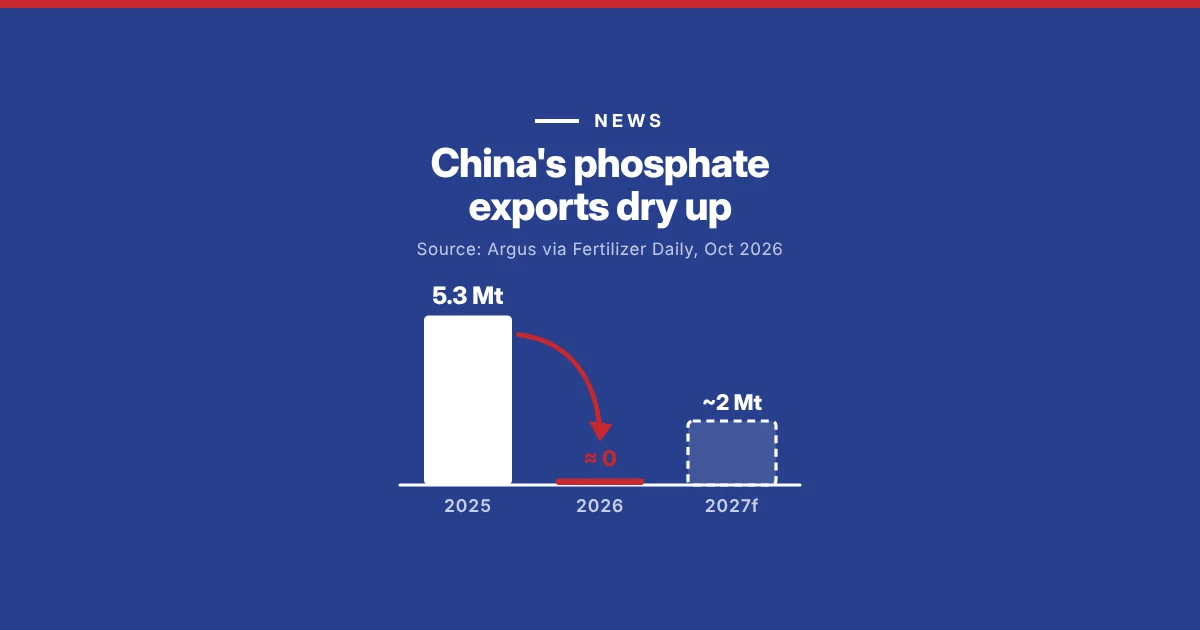
China, which exported about 5.3 million tonnes of phosphate fertilizer in 2025, has shipped almost none in 2026. With sulfur scarce and phosphate prices high, import-dependent markets face a tight season, and every kilo of phosphorus needs to work harder. At Van Polder, we believe a tight phosphate market is a reason to look again […]
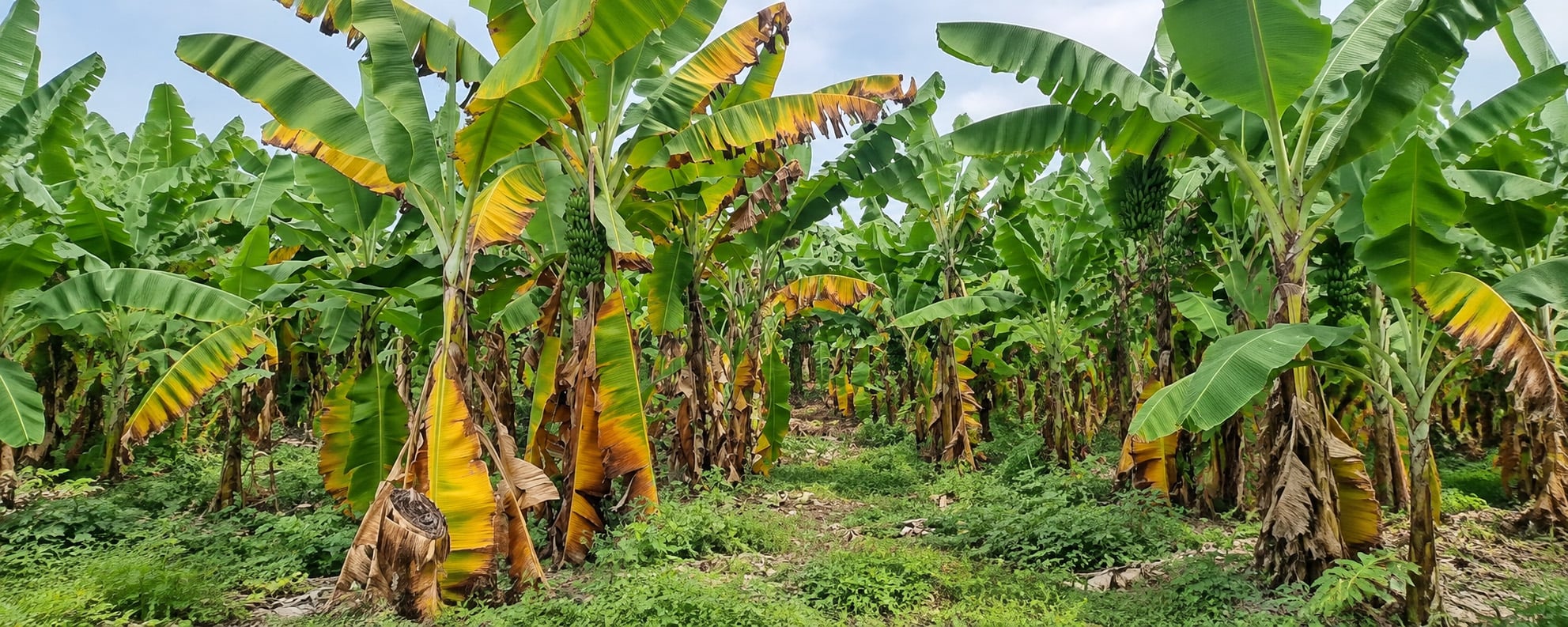
If you are starting a banana farm, Panama disease (Fusarium wilt of banana) is the risk to plan for. How to prevent Panama disease in bananas comes down to keeping the fungus out, because no fertilizer prevents or cures it and once it is in the soil it stays for decades (Pegg et al., 2019; […]
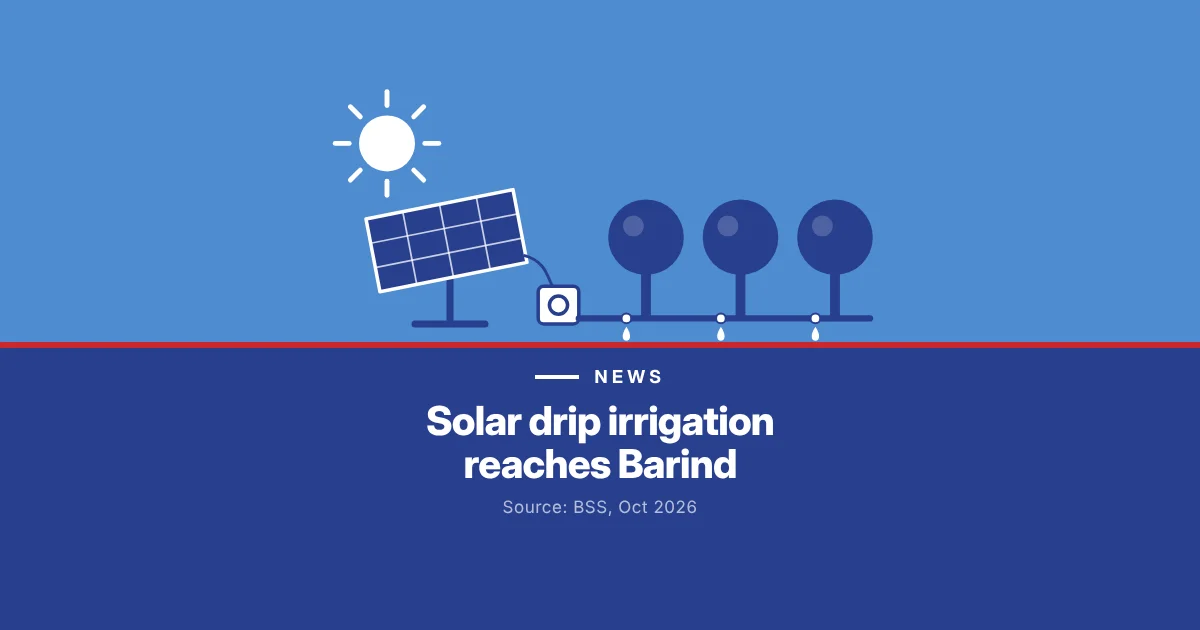
A government project in Bangladesh’s Rajshahi Division has brought solar-powered pumps, including solar drip systems for orchards, to drought-prone land where groundwater has been falling for decades. The Prime Minister wants all diesel irrigation pumps converted to solar within five years. For growers who move to drip, the next step is to feed the crop […]
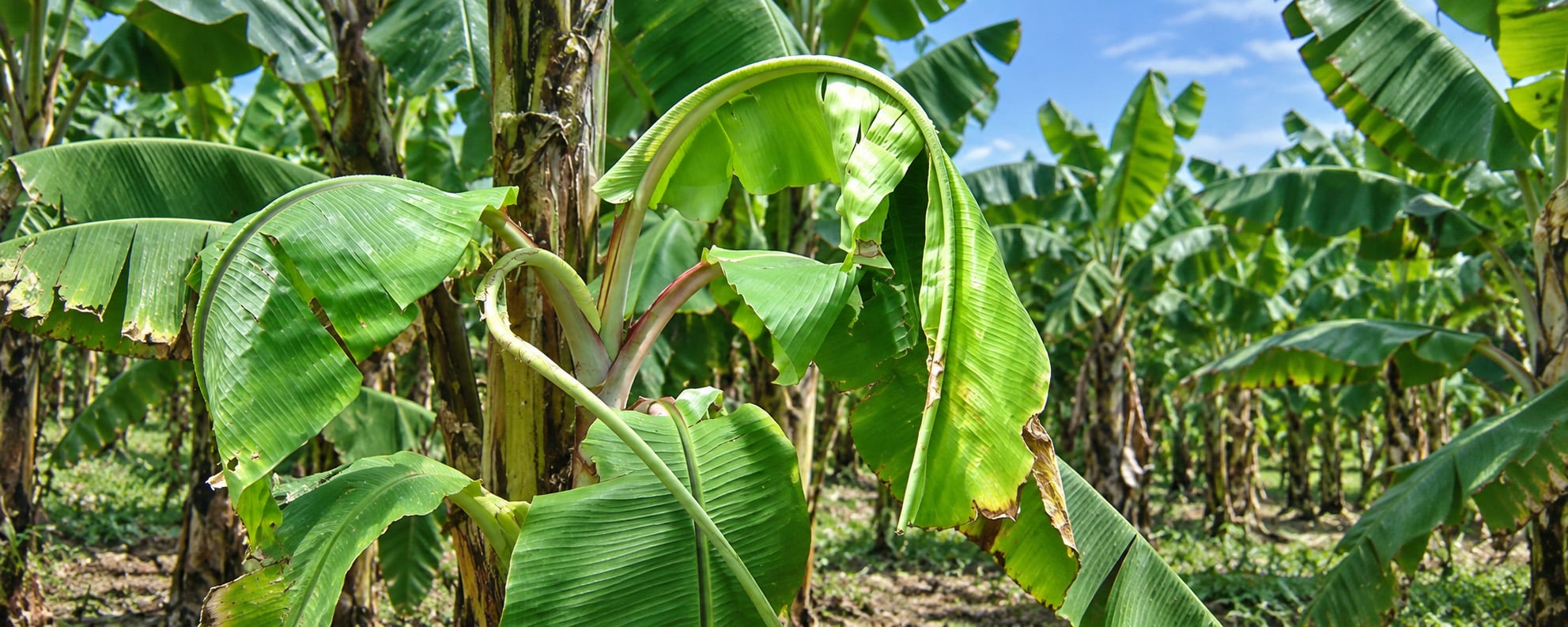
Calcium deficiency in banana shows first on the youngest leaves, as thickened veins and a saw-tooth pattern of yellow and dead tissue along the leaf margin, and in severe cases as “spike leaf”, new leaves with little or no blade, and poor-quality fruit (Turner, 1987; Martin-Prével, 1980). On most plantation soils it is not a […]
A calcium fertilizer supplies the calcium that holds plant cell walls and membranes together, but whether it reaches the fruit depends as much on water flow as on the fertilizer you choose. Calcium travels with water to the leaves and barely moves out of them again, so fruit and young leaves can run short even […]

An unusually wet winter brought coffee flowering in Minas Gerais forward by about a month, in several separate waves. With October forecast to be hotter than normal and rain patchy, the question for 2027 is now how many of those flowers turn into fruit. At Van Polder, we believe a strong flowering is only the […]