







Amino Acid Fertilizer Dose: Best Rates by Application Method (Spray, Soil, Drip, Hydroponics)
Overfeeding crops with organic supplements may increase the risk of nutrient imbalance or root stress under certain conditions. Calculating the precise amino acid fertilizer dose eliminates this risk while guaranteeing optimal metabolic stimulation. This manual provides a detailed application chart based on plant growth stages and soil conditions. Consult these dilution guidelines to execute a […]

Overfeeding crops with organic supplements may increase the risk of nutrient imbalance or root stress under certain conditions. Calculating the precise amino acid fertilizer dose eliminates this risk while guaranteeing optimal metabolic stimulation. This manual provides a detailed application chart based on plant growth stages and soil conditions. Consult these dilution guidelines to execute a safe and highly effective feeding regimen.
General target concentrations for the final solution (after mixing with water):
| Application method | Target concentration of Free Amino Acids (FAAs) in the final solution (This refers to the concentration of actual amino acid molecules (free L-amino acids) in the final diluted solution. For example, a 0.1% target means the final mixed solution contains 1 gram of pure amino acids per 1 liter of water.) |
| Foliar spray | 0.1% – 0.2% (1 – 2 g/L) |
| Root drenching | 0.1% – 0.25% (1 – 2.5 g/L) P/s: Start with a low dosage (1 g/L) and gradually increase it based on the plant’s response over 5 – 7 days. Do not exceed 2.5 g/L for most crops unless supported by published research or specific recommendations from a validated product. |
| Drip irrigation | 0.1% – 0.2% (1 – 2 g/L) |
| Seed soaking | 0.03% – 0.1% (0.3 – 1 g/L) |
| Seed coating | Concentrated solution, but very small volume applied |
| Root dipping | 0.1% – 0.2% (1 – 2 g/L) |
| Hydroponics | 0.03% – 0.1% (0.3 – 1 g/L) |
These figures are compiled from manufacturer label data and published research. Always follow your specific product label instructions and adjust based on specific crop needs and local conditions.
1. Product classification and dosing fundamentals
The optimal dosage of amino acid fertilizers is determined by the concentration of Free Amino Acids (L-alpha form) – the fraction directly bioavailable for plant uptake – rather than the total amino acid content or the product’s physical state (liquid or powder).
The dosage tables in this article group products by their typical commercial form because each form usually falls within a predictable concentration range:
| Product form | Typical FAS content | Why this range |
| Liquid amino (standard) | 8% – 15% (80 – 150 g/L) | Ready-to-use or lightly concentrated. |
| Amino concentrate (high grade) | 25% – 50% (250 – 500 g/L) | Industrial-grade, requires strong dilution. |
| Amino powder (water soluble) | Total Amino Acids: ≥80% Free Amino Acids: 70–80% (common for high-quality hydrolysates) Nitrogen: 12–16% | Highly concentrated per gram. |
| Fish amino acid (FAA, fermented) | Variable:1% – 8% (typical range for traditionally fermented FAA; higher concentrations possible with enzymatic hydrolysis) | Depends on raw material and fermentation time. |
Note: FAAs (Free Amino Acids) are individual amino acid molecules not bound in a peptide chain and are the biologically active form readily available for plant uptake.
How to use this information:
- Check the free amino acid % on your product label.
- Find the row in the tables below that matches your product form.
- If your product’s amino acid content is significantly higher than the typical range above, use less. If lower, use more.
- When in doubt, always start with the lower dose and increase gradually.
Important Note on Dosage Interpretation
- The dilution ratios and application rates presented throughout Sections 2–8 are based on Fish Amino Acid (FAA) products with a free amino acid concentration of approximately 2–4% (typical of traditional fermentation).
- If you are using a more concentrated product (e. g., 8–12% or higher), you must reduce the dosage accordingly. As a general guideline, start at a lower rate (around 0.5–1 ml/L instead of 1–2 ml/L) and adjust gradually based on plant response.
- Always verify the free amino acid content on your product label before application. When in doubt, begin with the lowest recommended dose and increase cautiously.
2. Amino Acid Fertilizer Dose for Foliar Spray
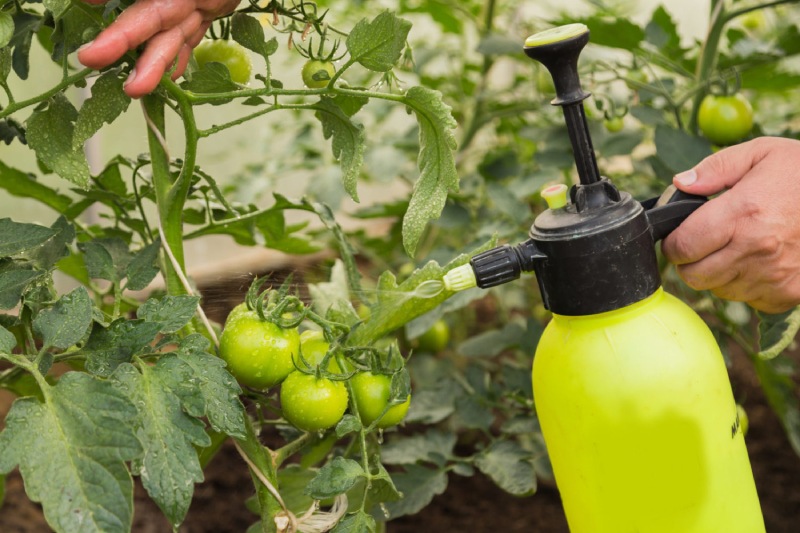
Foliar application allows amino acid fertilizers to be absorbed quickly through leaf stomata and the leaf surface. Plant response can occur relatively quickly under suitable conditions, but growers must carefully control dosage and timing to avoid leaf burn.
You should use leaf spraying when your plant needs quick help:
- Rapid recovery from stress: Hot weather, prolonged rain, pruning, repotting, mild pests and diseases.
- Promoting new shoots and leaves: During the period when the plant needs to increase leaf biomass.
- Supporting bud formation and maintaining buds gently: Use low doses, spray finely, avoid soaking the flowers.
- Quickly supplement when roots are weak: Roots are poorly absorbing nutrients due to waterlogging, cold, or compacted soil.
| Product type | How to mix | Dosage | How to use |
| Liquid amino (standard) | – Mix at a ratio of 1:1,000 to 1:500.
– Use about 1 – 2 ml per 1 liter of water. – Stir well and spray right away. |
– 16L tank: 16 to 32 ml.
– 25L tank: 25 to 50 ml. – 200L drum: 200 to 400 ml. |
– Spray a fine mist and focus on the underside of the leaves.
– Spray until the leaves are evenly wet and slightly shiny. – Do not let the liquid drip into big drops. – Spray in the early morning or cool afternoon. – Apply every 7-14 days during active growth, or as needed for stress recovery. |
| Amino concentrate (high grade) | – Mix at a ratio of 1:2,000 to 1:1,000.
– Use about 0.5 – 1 ml per 1 liter of water. – Stir very well before spraying. |
– 16L tank: 8 to 16 ml.
– 25L tank: 12 to 25 ml. – 200L drum: 100 to 200 ml. |
– Spray a very fine mist (this is very important).
– Spray lightly on the leaves. – Test on a small area first if you are not sure. – Spray in the early morning or late afternoon. |
| Amino powder (water soluble) | – Dissolve the powder completely in water.
– Mix at a ratio of 1:1,000 to 1:800. – Use about 1 – 1.5 grams per 1 liter of water. |
– 16L tank: 16 to 24 grams.
– 25L tank: 25 to 37 grams. – 200L drum: 200 to 300 grams. |
– Make sure the powder fully dissolves (no clumps).
– Spray a fine mist on both sides of the leaves. – Can filter the solution to avoid clogging. – Spray during the cool time of the day. |
| Fish amino (FAA, fermented) | – Mix at a ratio of 1:1,000 to 1:500.
– Use about 1 – 2 ml per 1 liter of water. – Stir well before spraying. |
– 16L tank: 16 to 32 ml.
– 25L tank: 25 to 50 ml. – 200L drum: 200 to 400 ml. |
– Spray a light and even mist.
– Avoid spraying directly on flowers. – Spray in the early morning or late afternoon. |
Small tips:
- Always test mixing different products in a small glass, letting it stand for 30 seconds. If the mixture clumps, becomes cloudy, or separates, do not use it.
- When using the product for the first time, only dilute it to 70% – 80% of the recommended dose and monitor the plant’s reaction for 24 – 48 hours.
- Do not spray when the temperature is above 30°C – 32°C or when the leaf surface is hot. Avoid spraying at least 2 – 3 hours before rain.
3. Amino Acid Fertilizer Dose for Root Drenching
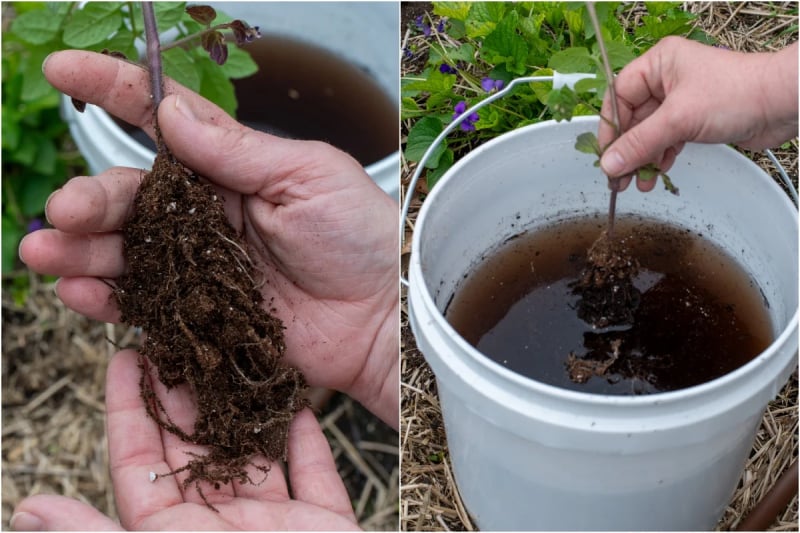
Root drenching enables amino acid fertilizers to be absorbed through the root system and transported steadily throughout the plant. Cristofano et al. (2021, Agronomy) found that root application induces stronger growth than foliar sprays, and Joller et al. (2024, bioRxiv) detected metabolic changes within 1.5 hours that persist for days, confirming the rapid mode of action of root-applied amino acids
You should use root drenching when your plant needs sustained support:
- Strengthening root development: Especially after transplanting, repotting, or root damage.
- Improving nutrient uptake: Helps plants absorb NPK and micronutrients more efficiently.
- Supporting sustained growth: During vegetative stages or before flowering/fruiting.
Note: drenching uses slightly higher concentrations because nutrients are applied in batches and must diffuse through the soil to reach the root zone (approximately 0.1% – 0.25% vs 0.1% – 0.2% for drip irrigation). In contrast, drip irrigation delivers nutrients continuously and more evenly around the roots, so lower concentrations are sufficient. Because the fertilizer is diluted into a large volume of irrigation water, careful control is required to maintain the target concentration.
| Product type | How to mix | Dosage | How to use |
| Liquid amino (standard) | – Mix at a ratio of 1:500 to 1:300.
– Use about 2 – 3 ml per 1 liter of water. – Stir well before application. |
– 16L tank: 32 to 50 ml.
– 25L tank: 50 to 75 ml. – 200L drum: 400 to 600 ml. |
– Apply directly to the root zone.
– Water evenly around the base of the plant. – Soil should be slightly moist before applying. – Avoid overwatering to prevent leaching. – Apply every 7 – 14 days. |
| Amino concentrate (high grade) | – Mix at a ratio of 1:1,000 to 1:500. – Use about 1 – 2 ml per 1 liter of water.
– Mix thoroughly before use. |
– 16L tank: 16 to 32 ml.
– 25L tank: 25 to 50 ml. – 200L drum: 200 to 400 ml. |
– Apply evenly to the root zone.
– Do not over-apply (high concentration). – Best for recovery or strong growth stages. – Can replace a normal watering session. |
| Amino powder (water soluble) | – Dissolve completely in water.
– Mix at a ratio of 1:800 to 1:500. – Use about 1.5 – 2 g per 1 liter of water. |
– 16L tank: 24 to 32 g.
– 25L tank: 37 to 50 g. – 200L drum: 300 to 400 g. |
– Ensure no clumps before use.
– Apply evenly to the soil. – Can be used with irrigation systems. – Avoid applying on very dry soil. |
| Fish amino (FAA, fermented) | – Mix at a ratio of 1:500 to 1:300.
– Use about 2 – 3 ml per 1 liter of water. – Stir well before use. |
– 16L tank: 32 to 50 ml.
– 25L tank: 50 to 75 ml. – 200L drum: 400 to 600 ml. |
– Apply directly to root zone.
– Best in early morning. – Maintain consistent soil moisture after application. – Apply every 10 – 15 days. |
Small tips:
- Always test on a small number of plants (e. g., 5-10 plants) and monitor for any adverse response (e. g., leaf burn, root stress, or growth inhibition) within 3-5 days before full-scale application.
- Ensure soil is at moderate moisture before application. Very dry soil reduces absorption, while waterlogged soil increases the risk of root rot. After applying, water lightly to help amino acids reach the root zone and stimulate microbial activity.
- Do not apply in extreme heat above 35°C,as plants under heat stress may have reduced root absorption capacity.
4. Amino Acid Fertilizer Dose for Drip Irrigation
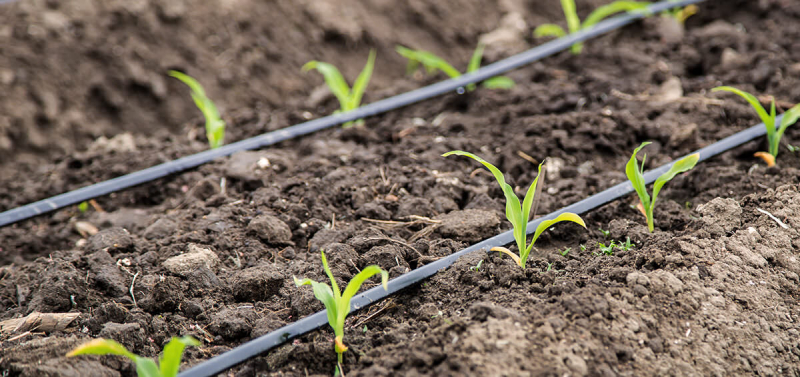
Drip irrigation allows amino acid fertilizers to be delivered directly into the root zone through an irrigation system, ensuring uniform distribution and efficient nutrient uptake. Compared to root drenching, this method is more automated and suitable for large-scale cultivation. Effects are typically visible after 5 – 10 days, with consistent benefits when applied correctly.
You should use drip irrigation when your plant needs efficient and controlled nutrient delivery:
- Uniform nutrient distribution: Ideal for large fields, greenhouses, or row crops where even application is critical.
- Saving labor and time: Reduces manual work compared to hand watering or drenching.
- Improving fertilizer efficiency: Minimizes nutrient loss and delivers amino acids directly to active root zones.
- Supporting continuous growth: Suitable for regular feeding during vegetative and early reproductive stages.
- Enhancing soil microbial activity at scale: Promotes beneficial microbes evenly across the entire growing area.
Note: Drip irrigation uses lower amino acid concentrations than root drenching (approximately 0.1% – 0.2% in the final solution) because nutrients are delivered continuously and distributed more evenly throughout the root zone. Since the fertilizer is injected into a large volume of irrigation water, accurate pre-dilution is essential to achieve the target concentration.
| Product type | How to mix | Dosage | How to use |
| Liquid amino (standard) | – Pre-dilute before adding to the system.
– Mix at a ratio of 1:1,000 to 1:500. – Use about 1 – 2 ml per 1 liter of water. – Stir well before injection. |
– Per 1000L water: 1 to 2 L.
– Small system (200L tank): 200 to 400 ml. – Adjust based on crop stage. |
– Inject into drip system slowly.
– Ensure even distribution across lines. – Run system with clean water after application. – Apply every 7 – 14 days. – Best during vegetative growth or recovery stage. |
| Amino concentrate (high grade) | – Always dilute well before use.
– Mix at a ratio of 1:2,000 to 1:1,000. – Use about 0.5 – 1 ml per 1 liter of water. |
– Per 1000L water: 0.5 to 1 L.
– 200L tank: 100 to 200 ml. – Use lower dose for sensitive crops. |
– Inject slowly into the system.
– Avoid high concentration to prevent root stress. – Suitable for high-value crops. – Monitor plant response after application. – Flush system after use. |
| Amino powder (water soluble) | – Dissolve completely before adding. – Mix at a ratio of 1:1,000 to 1:800. – Use about 1 – 1.5 g per 1 liter of water. | – Per 1000L water: 1 to 1.5 kg. – 200L tank: 200 to 300 g. – Ensure no residue. | – Filter solution before injecting.
– Apply evenly through irrigation cycle. – Flush system after application. |
| Fish amino (FAA, fermented) | – Pre-filter if needed.
– Mix at a ratio of 1:1,000 to 1:500. – Use about 1 – 2 ml per 1 liter of water. – Stir well before use. |
– Per 1000L water: 1 to 2 L.
– 200L tank: 200 to 400 ml. – Adjust depending on crop tolerance. |
– Do not overuse (high biological activity).
– Can act as a microbial food source, potentially enhancing beneficial soil microbe activity and nutrient cycling in the rhizosphere. – For most crops, do not exceed one application every 7-10 days to prevent potential nutrient imbalances or salt buildup. – Flush system thoroughly after use. |
Small tips:
- Always check the pH and EC of the solution before injecting it into the system.
- To preventclogging, ensure the amino acid solution is fully dissolved and pre-filtered before injecting into drip lines.
- Avoid injecting amino acids at the beginning of an irrigation cycle when the soil is still dry. Instead, run clean water first to moisten the root zone.
- After injecting any organic fertilizer, flush the system with clean water for 5 – 10 minutes to protect the equipment.
- For first-time use, apply only 70 – 80% of the recommended dose and monitor root response after 5 – 7 days.
- If plants have weak roots, do not increase the dosage. Reduce the concentration instead and apply more frequent, light irrigations.
5. Amino Acid Fertilizer Dose for Seed Soaking
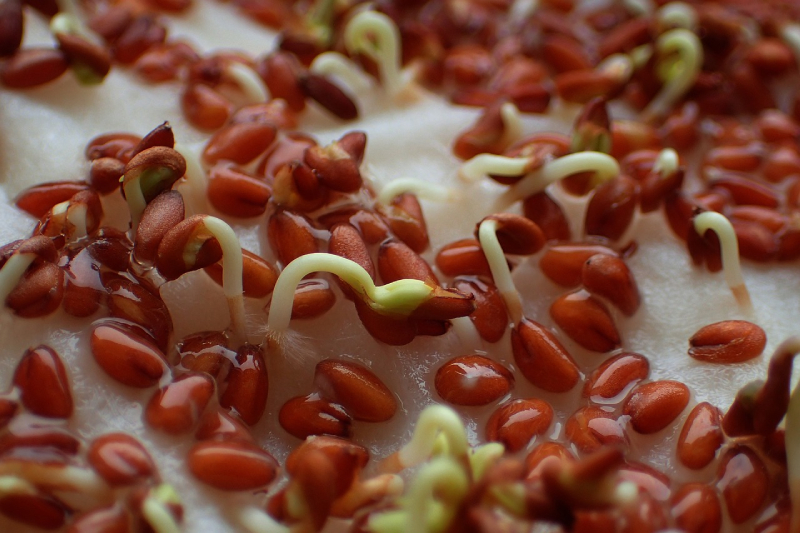
Seed soaking allows amino acid fertilizers to penetrate the seed coat before planting, helping activate enzymes and improve early-stage metabolism. Compared to other methods, the effect appears right from germination, leading to faster sprouting and stronger, more uniform seedlings. This method is ideal for improving germination rate, root vigor, and early plant establishment.
You should use seed soaking when your plant needs a strong and uniform start:
- Faster and more uniform sprouting: Helps seeds germinate at the same time.
- Enhancing root vigor: Promotes early root development right after germination.
- Supporting early growth energy: Amino acids activate enzymes and metabolic processes.
- Preparing seeds for stressful conditions: Useful before planting in poor soil, dry, or cold environments.
Note: Seed soaking typically uses a lower concentration than seed coating for standard liquid amino products (approximately 1:1,000 to 1:2,000 vs 1:300 to 1:500). Seeds are sensitive, high concentration may inhibit germination or cause rot. The principle: just enough to activate enzymes, not to “feed” the seed.
| Product type | How to mix | Dosage | How to use |
| Liquid amino (standard) | – Mix at a ratio of 1:2,000 to 1:1,000.
– Use about 0.5 – 1 ml per 1 liter of water. – Stir well before soaking. |
– 1L solution: 0.5 to 1 ml.
– 10L solution: 5 to 10 ml. – Adjust based on seed quantity. |
– Soak seeds for 6 – 12 hours(small seeds: 4 – 6h).
– Drain and dry slightly before sowing. – Do not over-soak to avoid rot. – Use fresh solution for best results. |
| Amino concentrate (high grade) | – Mix at a ratio of 1:3,000 to 1:2,000.
– Use about 0.3 – 0.5 ml per 1 liter of water. – Mix very well before use. |
– 1L solution: 0.3 to 0.5 ml.
– 10L solution: 3 to 5 ml. – Use lower dose for sensitive seeds. |
– Adjust soaking time based on seed size:
– Small seeds (lettuce, tomato) need only 15 – 30 minutes to avoid waterlogging. – Medium to large soft seeds (squash, cucumber, chard) can soak 6 – 12 hours. – Large or hard-coated seeds (beans, corn, peas) benefit from 12 – 24 hours. – Do not exceed recommended time (strong product). – Drain the seeds and let them air-dry on a clean cloth or tray for 15-30 minutes in a shaded, well-ventilated area until the surface moisture is gone. Sow immediately after drying.. – Test on a small batch if unsure. |
| Amino powder (water soluble) | – Dissolve completely in water.
– Mix at a ratio of 1:2,000 to 1:1,500. – Use about 0.5 – 0.7 g per 1 liter of water. |
– 1L solution: 0.5 to 0.7 g.
– 10L solution: 5 to 7 g. – Ensure no residue. |
– Soak seeds for 6 – 10 hours.
– Stir solution before soaking. – Ensure full dissolution to avoid uneven effect. – Dry seeds in shade before planting. |
| Fish amino (FAA, fermented) | – Mix at a ratio of 1:2,000 to 1:1,000.
– Use about 0.5 – 1 ml per 1 liter of water. – Stir well before use. |
– 1L solution: 0.5 to 1 ml.
– 10L solution: 5 to 10 ml. – Adjust depending on seed type. |
– Soak seeds for 4 – 8 hours.
– Avoid strong odor buildup (use in ventilated area). – Do not over-soak. – Dry seeds before sowing. |
Small tips:
- Do not increase the dosage in hopes of faster germination, as high concentrations may lead to waterlogging or seed rot.
- Always use clean water, and avoid sources that are acidic, saline, or have an excessively high pH.
- Sow seeds within 12 – 24 hours after soaking for best results.
- For small seeds such as lettuce or cabbage, test on a small batch before treating the entire lot.
- Avoid mixing amino acids with seed treatment fungicides unless compatibility has been tested to prevent precipitation.
6. Amino Acid Fertilizer Dose for Seed Coating
Seed coating involves applying a thin layer of amino acid fertilizer directly onto the seed surface before planting. Unlike seed soaking, this method uses minimal moisture and forms a protective nutrient layer that supports early germination and root development. The effect begins right after sowing, helping seeds establish quickly with more uniform emergence and stronger early growth.
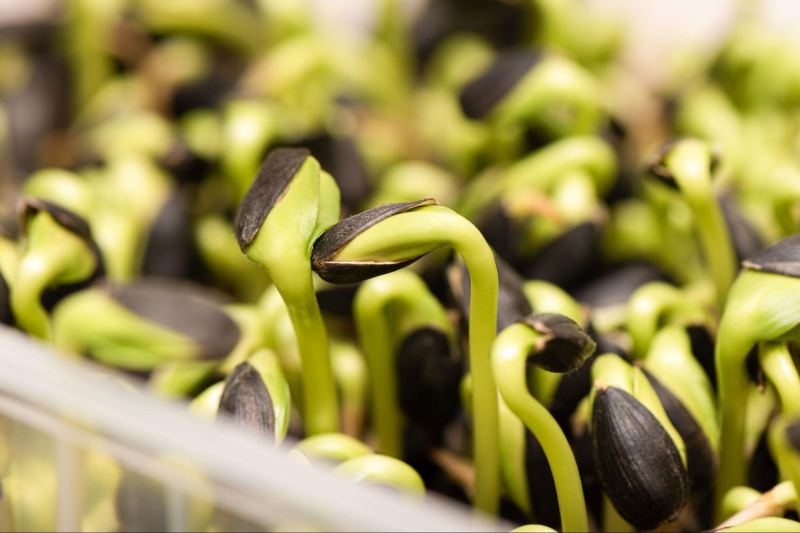
You should use seed coating when your plant needs a controlled and efficient seed treatment:
- Promoting early vigor: Provides a readily available source of organic nitrogen and signaling molecules to jump-start metabolic processes, leading to stronger and more uniform germination
- Enhancing uniform germination: Helps seeds sprout more evenly in the field.
- Reducing excess moisture risk: Suitable for seeds sensitive to soaking or rot.
- A readily available nitrogen source: The free amino acids provide organic nitrogen that can be absorbed and utilized by the seed/seedling immediately upon germination, supporting early protein synthesis and growth.
- Convenient for large-scale planting: Easy to handle, transport, and sow coated seeds.
- Combining with other seed treatments: Can be co-applied with certain micronutrients or bio-stimulants, but always perform a small jar test to check for physical compatibility and precipitation before large-scale mixing
Based on the free amino acid content and physical properties of each product, you can refer to the detailed mixing ratios and seed coating methods in the following table:
| The goal of seed coating is to create a thin, even layer of active ingredients like amino acids on the seed surface (film coating), not to soak the seeds. Over-wetting seeds should be avoided, as thick coatings can reduce oxygen availability to the embryo, potentially causing delayed or failed germination |
Note: The recommended dose depends primarily on the free amino acid content (%) of the product, not just the physical form. Products with higher amino acid concentration require lower dilution rates. The table below groups products by their typical commercial form, because each form usually falls within a predictable concentration range. However, always check the product label first – if your product’s amino acid content differs significantly from the typical range shown, adjust the dose proportionally.
| Product type | Typical free amino acid content | How to mix | Dosage | How to use |
| Liquid amino (standard) | 8% – 15% free amino acid (80 – 150 g/L) | – Dilute lightly before coating.
– Mix at a ratio of 1:500 to 1:300. – Use minimal water to create a thin coating solution. |
– Per 1 kg seeds: 5 to 10 ml solution.
– Adjust depending on seed size. – Use just enough to coat evenly. |
– Mix seeds with solution until evenly coated.
– Do not over-wet seeds. – Dry in shade before sowing. – Sow within 12 – 24 hours after coating. |
| Amino concentrate (high grade) | 25% – 50% free amino acid (250 – 500 g/L) | – Dilute strongly before use.
– Mix at a ratio of 1:1,000 to 1:500. – Use very small amounts. |
– Per 1 kg seeds: 3 to 5 ml solution.
– Use lower dose for sensitive seeds. – Ensure even distribution. |
– Coat seeds lightly and evenly.
– Avoid excess concentration. – Dry thoroughly before planting. – Test on a small batch if unsure. |
| Amino powder (water soluble) | ≥80% total amino acid, nitrogen 12 – 16% | – Mix powder with a small amount of water to form a slurry.
– Ratio about 1:500 to 1:300. – Ensure smooth consistency (not too thick). |
– Per 1 kg seeds: 5 to 8 g powder.
– Adjust based on coating thickness. – Avoid clumping. |
– Mix until seeds are uniformly coated.
– Spread seeds to dry in shade. – Avoid direct sunlight during drying. – Ensure no clumps before sowing. |
| Fish amino (FAA, fermented) | Variable, typically1 – 8%free amino acid (depends on fermentation) | – Dilute well before coating.
– Mix at a ratio of 1:500 to 1:300. – Use minimal liquid to avoid over-wetting. |
– Per 1 kg seeds: 5 to 10 ml solution.
– Adjust depending on seed tolerance. – Use moderate amount. |
– Coat seeds evenly with thin layer.
– Avoid strong odor buildup (use ventilated area). – Dry completely before sowing. – Do not store coated seeds too long. |
Small tips:
- Keep the seed surface moist but not wet until the seeds are ready to be sown or have clearly cracked / germinated.
- Allow coated seeds to dry slightly before placing them in the seeder to prevent clogging.
- Do not increase the dosage in hopes of stronger plants; an overly thick coating can block initial water absorption.
- Test the coating on 0.5 – 1 kg of seeds before treating the entire batch.
- When combining with microorganisms such as Trichoderma or Rhizobium, apply the amino acid coating first, let it dry slightly, then add the microorganisms to preserve microbial density.
7. Amino Acid Fertilizer Dose for Root Dipping
Root dipping involves immersing plant roots in an amino acid solution before transplanting. This method allows nutrients to be directly absorbed by the root surface, helping reduce transplant shock and improve early establishment. Compared to root drenching, the effect is faster (visible within 2 – 5 days) because roots are in direct contact with the solution before entering the soil.
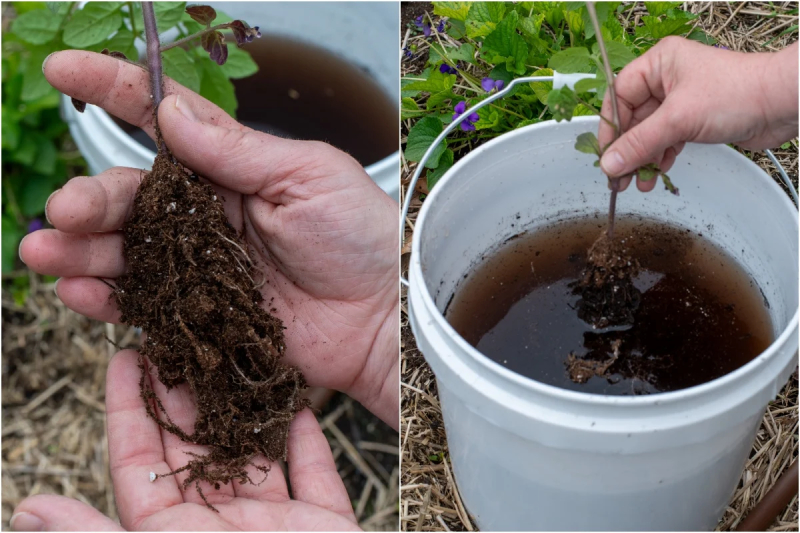
You should use root dipping when your plant needs a strong and stress-free transplant:
- Reducing transplant shock: Especially for seedlings, cuttings, or bare-root plants.
- Promoting new root growth: Stimulates faster root branching and establishment.
- Improving survival rate: Increases success rate after transplanting.
- Supporting early nutrient uptake: Roots start absorbing nutrients immediately after planting.
- Preparing plants for stressful conditions: Useful before planting in dry, hot, or poor soils.
Note: Although root dipping and foliar spray use similar amino acid concentrations (0.1 – 0.2%), root dipping acts through direct root membrane absorption, making it more effective for transplant recovery and root regeneration than foliar application.
| Product type | How to mix | Dosage | How to use |
| Liquid amino (standard) | – Mix at a ratio of 1:1,000 to 1:500.
– Use about 1 – 2 ml per 1 liter of water. – Stir well before use. |
– 10L solution: 10 to 20 ml.
– 50L solution: 50 to 100 ml. – Adjust based on number of plants. |
– Dip roots for 5 – 15 minutes.
– Ensure roots are fully submerged. – Do not soak too long. – Transplant immediately after dipping. |
| Amino concentrate (high grade) | – Mix at a ratio of 1:2,000 to 1:1,000.
– Use about 0.5 – 1 ml per 1 liter of water. – Mix thoroughly before use. |
– 10L solution: 5 to 10 ml.
– 50L solution: 25 to 50 ml. – Use lower dose for sensitive plants. |
– Dip roots for 3 – 10 minutes.
– Avoid high concentration exposure. – Shake off excess solution before planting. – Test on a small batch if unsure. |
| Amino powder (water soluble) | – Dissolve completely in water.
– Mix at a ratio of 1:1,000 to 1:800. – Use about 1 – 1.5 g per 1 liter of water. |
– 10L solution: 10 to 15 g.
– 50L solution: 50 to 75 g. – Ensure no clumps. |
– Dip roots for 5 – 15 minutes.
– Stir solution before use. – Ensure full dissolution. – Transplant immediately after dipping. |
| Fish amino (FAA, fermented) | – Mix at a ratio of 1:1,000 to 1:500.
– Use about 1 – 2 ml per 1 liter of water. – Stir well before use. |
– 10L solution: 10 to 20 ml.
– 50L solution: 50 to 100 ml. – Adjust depending on plant tolerance. |
– Dip roots for 5 – 10 minutes.
– Do not overexpose roots (FAA is strong). – Use in a ventilated area. – Transplant right after dipping. |
Small tips:
- Do not dip roots for more than 15 – 20 minutes, as they need oxygen; prolonged soaking may cause local oxygen deficiency.
- Within 3 – 5 days after planting, apply light root drenching to improve recovery effectiveness.
- Perform root dipping in a shaded area and avoid intense sunlight.
- When combining with root microorganisms such as Trichoderma or Mycorrhiza, test compatibility in a small batch before full application.
8. Amino Acid Fertilizer Dose for Hydroponics and Soilless Media
In hydroponics and soilless media, amino acids are added directly to the recirculating nutrient solution, allowing for precise concentration control and uniform root-zone distribution. (In soil-based systems, they are typically applied via root drench or drip irrigation.)
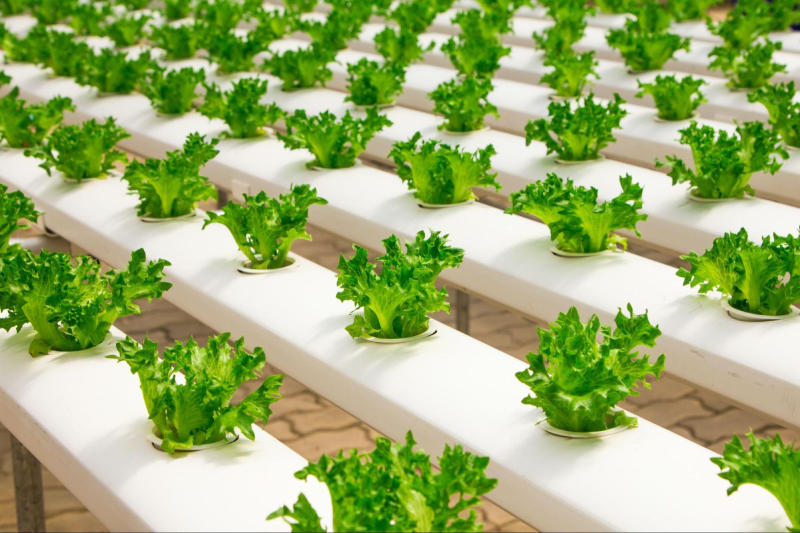
In all growing systems, including soil and hydroponics, amino acid biostimulants are intended to be used as a supplement to a complete mineral nutrition program, not as a primary source of essential elements like nitrogen (N), phosphorus (P), and potassium (K):
- Boosting nutrient uptake efficiency: Amino acids enhance absorption of dissolved nutrients in solution.
- Reducing plant stress: Especially under high EC, temperature fluctuations, or rapid growth conditions.
- Supporting rapid vegetative growth: Ideal for leafy greens and fast-growing crops.
- Improving root health: Promotes cleaner, more active root systems in water or inert media.
- Enhancing nutrient balance: Helps stabilize plant metabolism in controlled systems.
Note: Hydroponics requires the lowest concentration among all application methods (approximately 0.03% – 0.1% amino acid) because there is no soil buffer – whatever you add goes directly to roots. Over-application raises EC quickly and can stress roots. Monitor EC after every addition.
| Product type | How to mix | Dosage | How to use |
| Liquid amino (standard) | – Add directly to nutrient solution.
– Mix at a ratio of 1:2,000 to 1:1,000. – Use about 0.5 – 1 ml per 1 liter of water. – Stir or circulate well. |
– 100L tank: 50 to 100 ml.
– 500L tank: 250 to 500 ml. – 1000L tank: 0.5 to 1 L. |
– Add into reservoir during mixing.
– Ensure even circulation. – Monitor EC after adding. – Apply every 7 – 10 days or as needed. |
| Amino concentrate (high grade) | – Dilute before adding to system.
– Mix at a ratio of 1:3,000 to 1:2,000. – Use about 0.3 – 0.5 ml per 1 liter of water. |
– 100L tank: 30 to 50 ml.
– 500L tank: 150 to 250 ml. – 1000L tank: 0.3 to 0.5 L. |
– Use in low doses to avoid imbalance.
– Add gradually into nutrient tank. – Monitor plant response closely. – Suitable for high-value crops. |
| Amino powder (water soluble) | – Dissolve completely before adding.
– Mix at a ratio of 1:2,000 to 1:1,500. – Use about 0.5 – 0.7 g per 1 liter of water. |
– 100L tank: 50 to 70 g.
– 500L tank: 250 to 350 g. – 1000L tank: 0.5 to 0.7 kg. |
– Ensure full dissolution (no residue).
– Filter if necessary. – Prevent clogging in system. – Maintain clean reservoir conditions. |
| Fish amino (FAA, fermented) | – Dilute well and pre-filter.
– Mix at a ratio of 1:2,000 to 1:1,000. – Use about 0.5 – 1 ml per 1 liter of water. – Stir thoroughly. |
– 100L tank: 50 to 100 ml.
– 500L tank: 250 to 500 ml. – 1000L tank: 0.5 to 1 L. |
– Use cautiously (organic + microbial activity).
– Avoid overuse to prevent biofilm buildup. – Monitor system cleanliness. – Flush system periodically if needed. |
Small tips:
- Ensure the powder is completely dissolved and strain the solution to avoid residue clogging pumps or drip emitters.
- Keep a close eye on Electrical Conductivity (EC) after amino acid application, since they add to the overall EC of the nutrient solution.
- Exercise caution with biological amino products such as FAA; regularly check the reservoir for biofilm formation and perform periodic system cleaning.
9. Important Notes and Mistakes to Avoid When Using Amino Acids
Amino acid fertilizers are effective biostimulants, but their performance depends on correct usage. Applying them appropriately and avoiding common mistakes can help improve nutrient uptake, maintain balanced growth, and reduce potential issues.
Important guidelines for maximum effectiveness
- Define the application goal before use: Amino acids can be used for plant recovery, stress reduction, root stimulation, nutrient uptake enhancement, or vegetative growth support. Depending on the objective, the right product type should be selected and applied at the suitable growth stage.
- Follow recommended dosages – do not increase rates for faster results: Amino acids are biologically active organic compounds. Overapplication may cause soft tissues, leaf edge burn, excessive vegetative growth, or overall growth imbalance.
- Maintain solution pH between 5.5 – 6.5: High pH reduces foliar absorption and weakens micronutrient chelation efficiency. If water pH is high (>7.5), adjust it before mixing.
- Ensure uniform leaf coverage without runoff: Wet both leaf surfaces evenly to maximize absorption area. Excess runoff wastes product and may cause localized concentration damage.
- Maintain proper application intervals: Typical frequency is every 7 – 14 days. Shorten to 5 – 7 days only during severe stress conditions, and limit this to 1 – 2 consecutive applications before returning to normal intervals.
- Combine with balanced nutrition: Amino acids do not replace NPK fertilizers. Plants still require adequate macro-, secondary-, and micronutrients for stable growth. Many growers also stack amino acids with other biostimulants — see humic acid fulvic acid amino acid fertilizer uses for how these three actives complement each other.
- Ensure adequate soil moisture for root applications: Extremely dry or waterlogged soils reduce microbial activity and nutrient uptake efficiency.
- Use during cool periods of the day: Apply during cooler periods of the day (early morning or late afternoon) to slow evaporation, maximize absorption, and reduce plant stress, especially for foliar and root applications.
Common mistakes to avoid
- Mixing with strongly alkaline solutions: Products such as lime, Bordeaux mixture, concentrated copper formulations, or solutions with pH >8 may cause precipitation and reduce amino acid activity.
- Combining directly with high doses of inorganic nitrogen: Heavy applications of urea or DAP can create nutrient imbalance and excessive vegetative growth.
- Incorrect mixing order: Always fill the tank with half the water first, add the amino acid product, mix it thoroughly, and then top up with the remaining water. If growers add amino acids into a dry tank, the product may clump and dissolve unevenly.
- Failing to fully dissolve powder formulations: Undissolved particles can clog spray nozzles and create spotting on leaves.
- Spraying before rainfall or when rain occurs within 2 – 3 hours: The solution may wash off, greatly reducing effectiveness.
- Overusing FAA during flowering stages: High organic nitrogen content may shift plant energy toward vegetative growth and reduce flower or fruit set.
- Continuous high-dose applications over long periods: May lead to soft plant tissues, increased pest and disease susceptibility, or delayed transition to reproductive growth.
- Spraying severely drought-stressed plants: Closed stomata limit absorption, resulting in poor efficiency.
- Not cleaning spray equipment before and after use: Residues of pesticides may react negatively with amino acids.
- Applying concentrated solution in one spot during soil drenching: Localized organic buildup can damage young roots.
When used correctly, amino acid fertilizers act as powerful plant biostimulants that improve recovery, nutrient efficiency, and growth. Good results depend not on quantity, but on proper timing, balance, and the rightamino acid fertilizer dose — starting with the best amino acid fertilizer for plants for your specific crop. When applied carefully and common mistakes are avoided, plants can grow more consistently and stay healthier throughout the growing cycle.


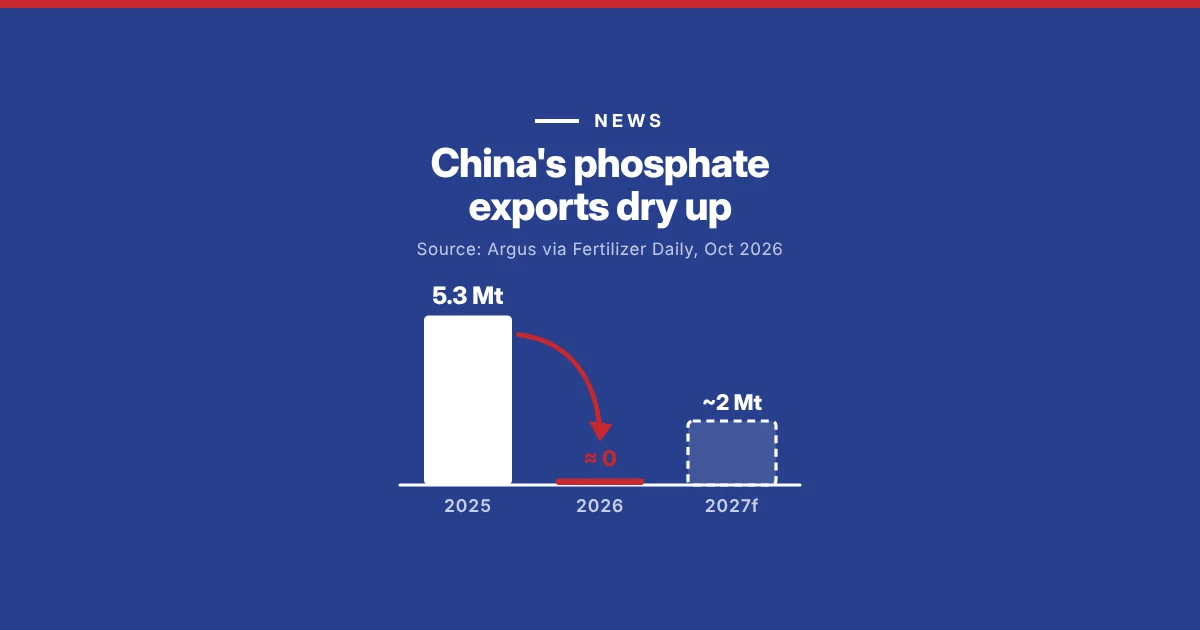
China, which exported about 5.3 million tonnes of phosphate fertilizer in 2025, has shipped almost none in 2026. With sulfur scarce and phosphate prices high, import-dependent markets face a tight season, and every kilo of phosphorus needs to work harder. At Van Polder, we believe a tight phosphate market is a reason to look again […]
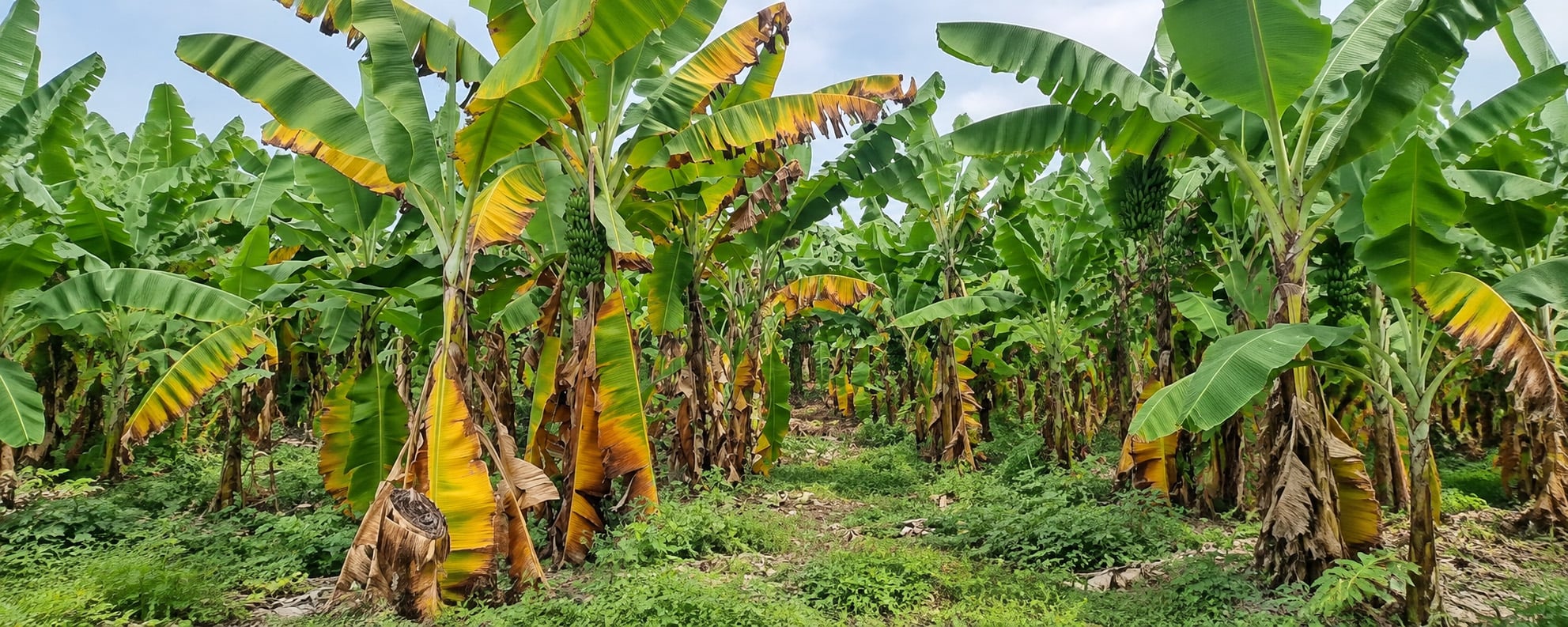
If you are starting a banana farm, Panama disease (Fusarium wilt of banana) is the risk to plan for. How to prevent Panama disease in bananas comes down to keeping the fungus out, because no fertilizer prevents or cures it and once it is in the soil it stays for decades (Pegg et al., 2019; […]
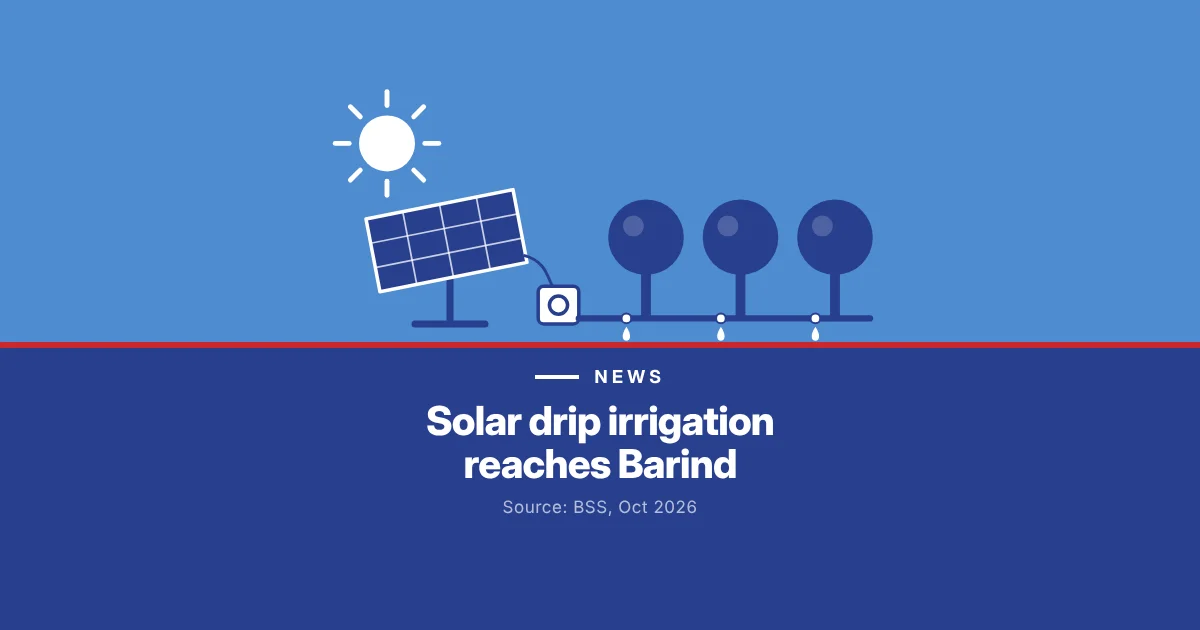
A government project in Bangladesh’s Rajshahi Division has brought solar-powered pumps, including solar drip systems for orchards, to drought-prone land where groundwater has been falling for decades. The Prime Minister wants all diesel irrigation pumps converted to solar within five years. For growers who move to drip, the next step is to feed the crop […]
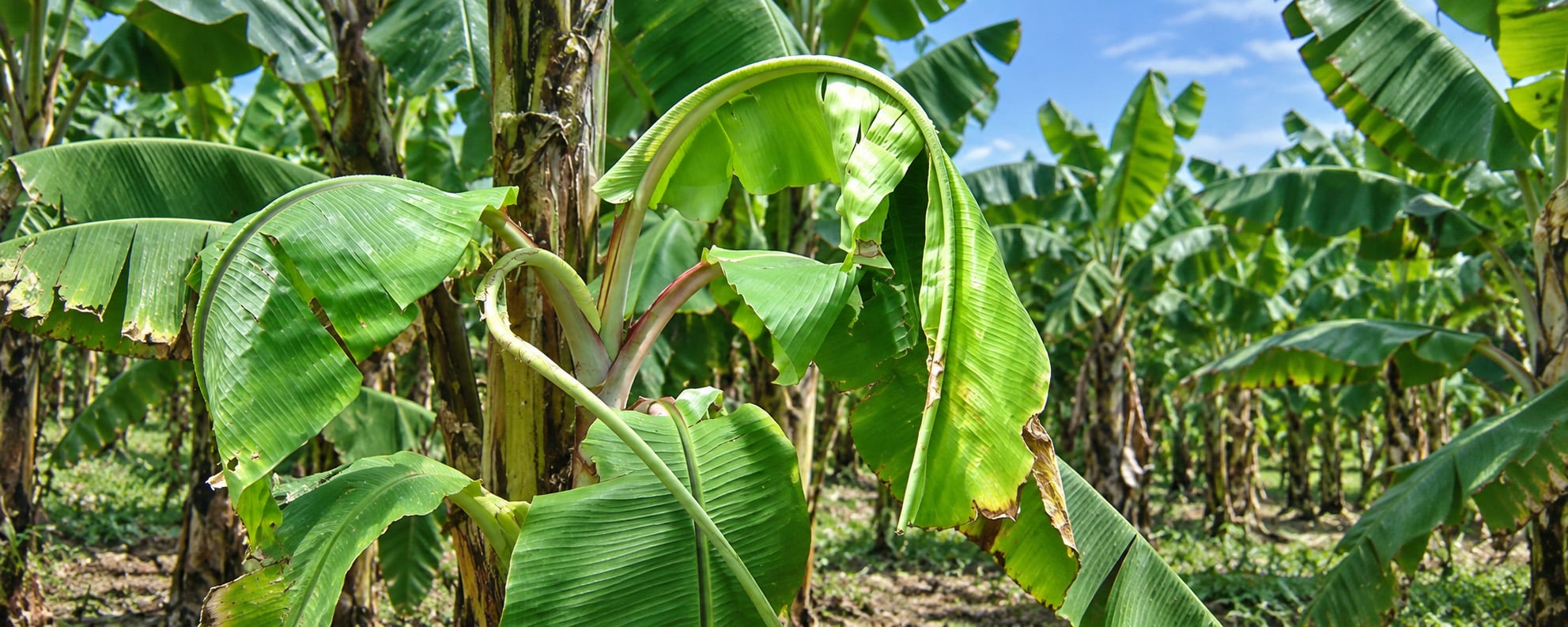
Calcium deficiency in banana shows first on the youngest leaves, as thickened veins and a saw-tooth pattern of yellow and dead tissue along the leaf margin, and in severe cases as “spike leaf”, new leaves with little or no blade, and poor-quality fruit (Turner, 1987; Martin-Prével, 1980). On most plantation soils it is not a […]
A calcium fertilizer supplies the calcium that holds plant cell walls and membranes together, but whether it reaches the fruit depends as much on water flow as on the fertilizer you choose. Calcium travels with water to the leaves and barely moves out of them again, so fruit and young leaves can run short even […]

An unusually wet winter brought coffee flowering in Minas Gerais forward by about a month, in several separate waves. With October forecast to be hotter than normal and rain patchy, the question for 2027 is now how many of those flowers turn into fruit. At Van Polder, we believe a strong flowering is only the […]