






Amino Acid Fertilizers Production: Analysis & Selection of the Optimal Methods
Amino acid fertilizer production involves more than simply converting protein into plant nutrients. The production process can directly affect cost, processing efficiency, amino acid quality, and the value of the final product. With several approaches available, choosing the right one can be challenging for manufacturers. Let’s explore the key production methods and how to select […]

Amino acid fertilizer production involves more than simply converting protein into plant nutrients. The production process can directly affect cost, processing efficiency, amino acid quality, and the value of the final product. With several approaches available, choosing the right one can be challenging for manufacturers. Let’s explore the key production methods and how to select the most suitable option for your business.
1. Raw Material Inputs for Amino Acid Fertilizers
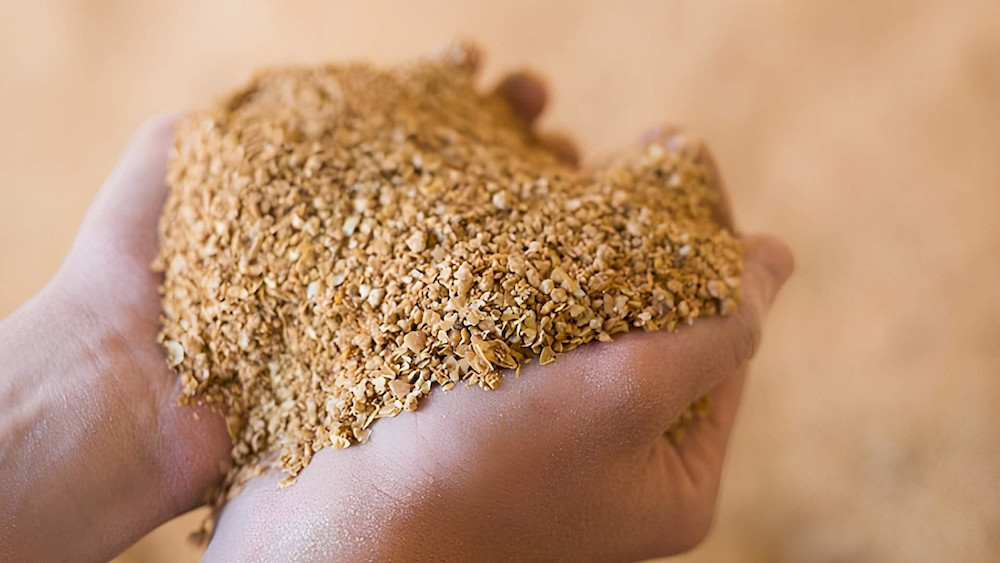
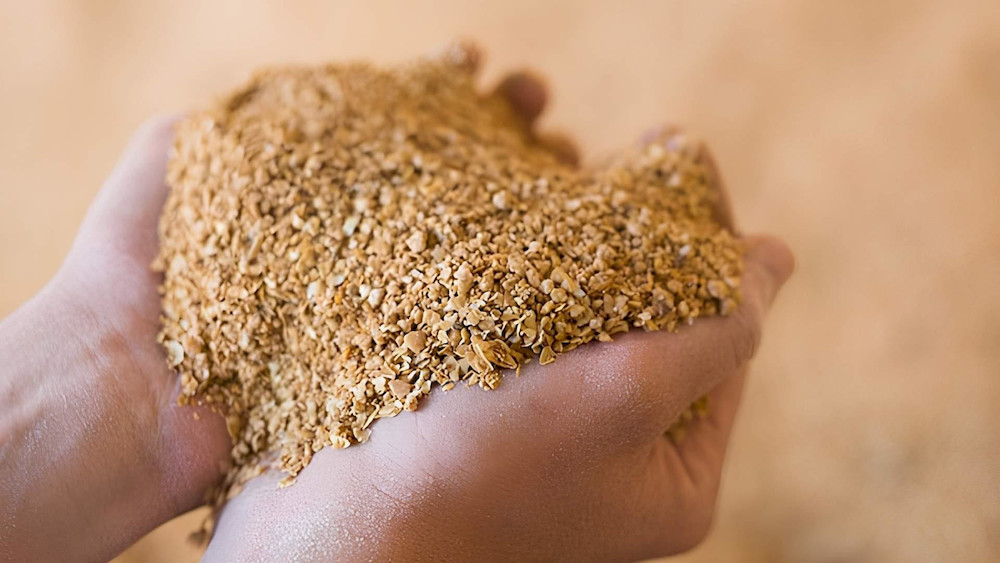
Amino acid fertilizers and biostimulants are produced from two primary protein sources: animal-based materials and plant-based materials. The raw material affects the fertilizer’s amino acid profile, crop safety, odor, salt content, and overall performance.
Animal-Derived Raw Materials
- Common Sources: Blood meal, leather and tanning waste, collagen, poultry feathers, fish meal, and fish processing residues.
- Key Characteristics: High protein content and naturally rich in specific amino acids, such as aspartic acid in blood meal, glutamic acid in feather and fish meals, and glycine and proline in collagen.
- Advantages: Widely available protein-rich by-products can provide a cost-effective raw material for large-scale production.
- Limitations: Often require acid, alkaline, or thermal hydrolysis, which may damage sensitive amino acids or form less plant-available isomers. They may also have higher salt/chloride levels, EC, and stronger odors, increasing the risk of crop damage at high application rates. Some regulations restrict their use on edible crop parts.
Plant-Derived Raw Materials
- Common Sources: Soybean meal, alfalfa, and marine macroalgae or seaweeds, including brown algae like Ascophyllum nodosum and red algae.
- Key Characteristics: Rich in naturally occurring L-amino acids and suitable for producing amino acid fertilizers and biostimulants.
- Advantages: Typically processed under mild conditions through enzymatic hydrolysis, helping preserve L-amino acids and bioactive peptides. The resulting products generally have low salt levels, mild odor, good crop tolerance, and broad market compatibility.
- Limitations: Plant-derived raw materials and enzymatic processing generally have higher manufacturing costs than animal-based waste materials.
2. Three Core Production Methods
To convert raw protein sources into plant-available fertilizers, manufacturers break down complex protein chains into smaller peptides and individual free amino acids. This breakdown is achieved through three primary production technologies: Acid Hydrolysis, Enzymatic Hydrolysis, and Microbial Fermentation. Each method uses a distinct chemical or biological mechanism, resulting in fertilizers with different nutrient profiles, bioactive properties, and field safety characteristics.
2.1. Acid Hydrolysis Method
Acid hydrolysis is a traditional chemical extraction process used to rapidly break down dense protein raw materials. In this method, raw inputs, most commonly low-cost animal by-products such as slaughterhouse waste, feather meal, or leather scraps, are mixed with strong inorganic acids such as hydrochloric acid (HCl) or sulfuric acid (H₂SO₄).
The mixture is subjected to high temperatures above 121°C and elevated pressure to break the peptide bonds holding proteins together. This intense chemical treatment completely breaks down the protein structure, producing a liquid rich in total nitrogen and free amino acids.
Process Steps:
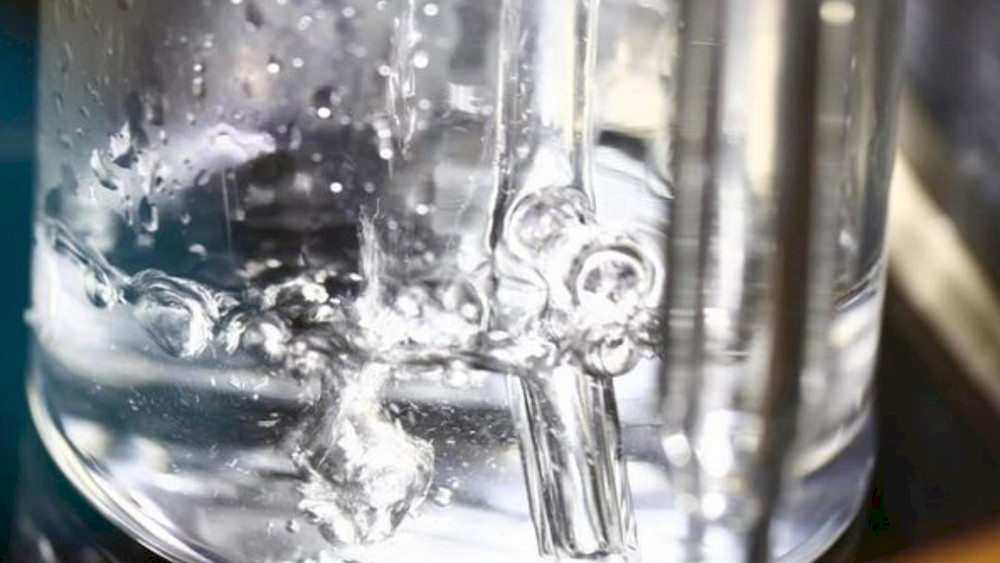
- Raw Material Acidification: Raw animal or plant biomass is loaded into industrial digestion tanks and combined with concentrated hydrochloric or sulfuric acid.
- High-Temperature Digestion: The mixture is heated above 121°C under high pressure for several hours to break long-chain proteins into individual amino acids.
- Neutralization & Refining: Alkaline agents such as sodium hydroxide or lime are added to neutralize the acid, followed by filtration to remove insoluble residues before liquid concentration or spray-drying into powder.
Pros & Cons:
- Pros:
- Cost-Effective: Low manufacturing costs due to inexpensive chemical reagents and raw waste materials.
- High Free Amino Acid Yield: Fully breaks down complex proteins into small, readily available free amino acids.
- Fast Processing: Completes protein breakdown in a relatively short production cycle.
- Cons:
- Nutritional Destruction: The harsh acid environment can destroy sensitive essential amino acids, most notab ly tryptophan, a vital precursor for plant root growth hormones.
- Racemization & Crop Risk: High heat and extreme pH can cause racemization, converting natural L-amino acids into D-amino acids. Plants cannot readily utilize D-amino acids, which can trigger phytotoxicity, leaf scorch, or stunted growth in sensitive crops.
- High Salt & Chloride Load: Acid neutralization produces residual salts and chlorides, increasing electrical conductivity (EC) and soil salinity risk.
2.2. Enzymatic Hydrolysis Method
Enzymatic hydrolysis is an advanced biological extraction process that replaces harsh industrial acids with specialized proteolytic enzymes, or proteases, derived from plants, animals, or beneficial microbes. These enzymes act as biological “scissors,” cutting protein chains at specific amino acid sites under mild temperature and neutral pH conditions.
Because the process avoids extreme heat and chemical destruction, it preserves the natural structure of L-amino acids and produces a high concentration of short-chain bioactive peptides. This method is widely used for high-grade plant-based biostimulants, such as soybean and alfalfa hydrolysates.
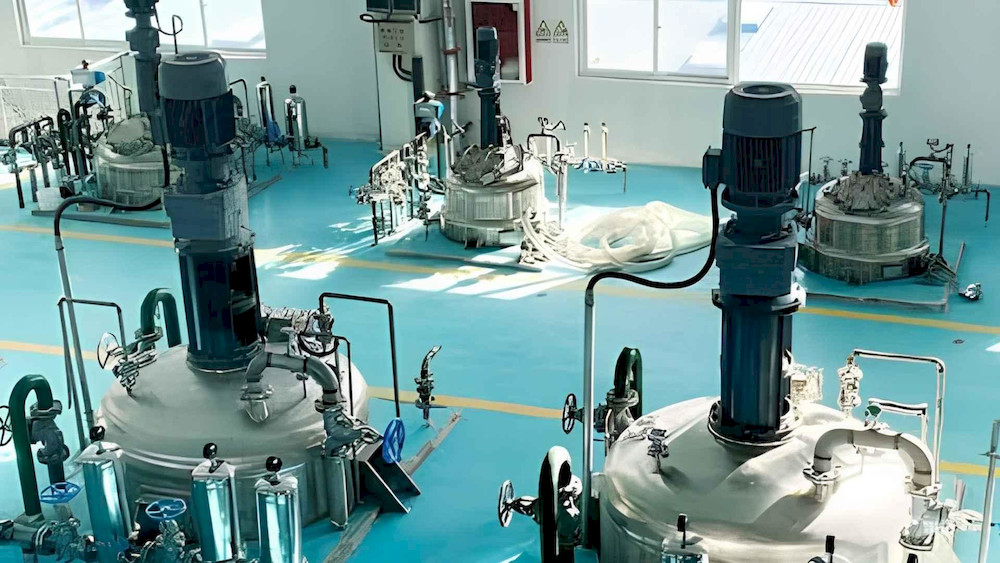
Process Steps:
- Slurry Conditioning: Protein-rich plant biomass, such as legume meal, is mixed with purified water and adjusted to a mild temperature, typically 40°C – 50°C, and a neutral pH suitable for enzyme activity.
- Targeted Cleavage: Specific combinations of endo- and exo-protease enzymes are added to selectively break protein chains into peptides of the desired lengths.
- Enzyme Inactivation & Separation: The liquid is briefly heated to deactivate the enzymes, then filtered to separate the bioactive liquid hydrolysate from insoluble plant fibers.
Pros & Cons:
- Pros:
- Preserves Full Nutritional Profile: Retains all 20 essential L-amino acids in their biologically active form, including tryptophan.
- Rich in Bioactive Peptides: Produces short-chain signaling peptides with auxin- and gibberellin-like activity, supporting root extension, chlorophyll production, and abiotic stress recovery.
- Zero Crop Toxicity: The absence of harmful D-amino acids and extremely low chloride and salt levels makes the product suitable for foliar spraying on edible leaves, greenhouse crops, and seedlings.
- Cons:
- Higher Manufacturing Cost: Protease enzymes and specialized biotechnology equipment increase production costs compared with acid digestion.
- Strict Operational Control: Requires precise monitoring of temperature, pH, agitation, and reaction time to maintain enzyme activity.
- Lower Single Free Amino Acid Ratio: Contains a higher proportion of short-chain peptides and fewer isolated free amino acids than acid hydrolysis.
2.3. Microbial Fermentation Method
Microbial fermentation uses living probiotic microorganisms, such as specialized Bacillus bacterial consortia, beneficial fungi, or yeasts, to decompose raw organic biomass. Rather than adding isolated enzymes or chemical reagents, pre-activated microbial cultures are introduced into an aqueous biomass mixture, such as micronized seaweeds or agro-industrial residues. As the microorganisms grow and multiply under controlled aeration and temperature, they naturally secrete extracellular enzymes, including proteases, alginate lyases, and pectinases, which digest complex cell walls and proteins.
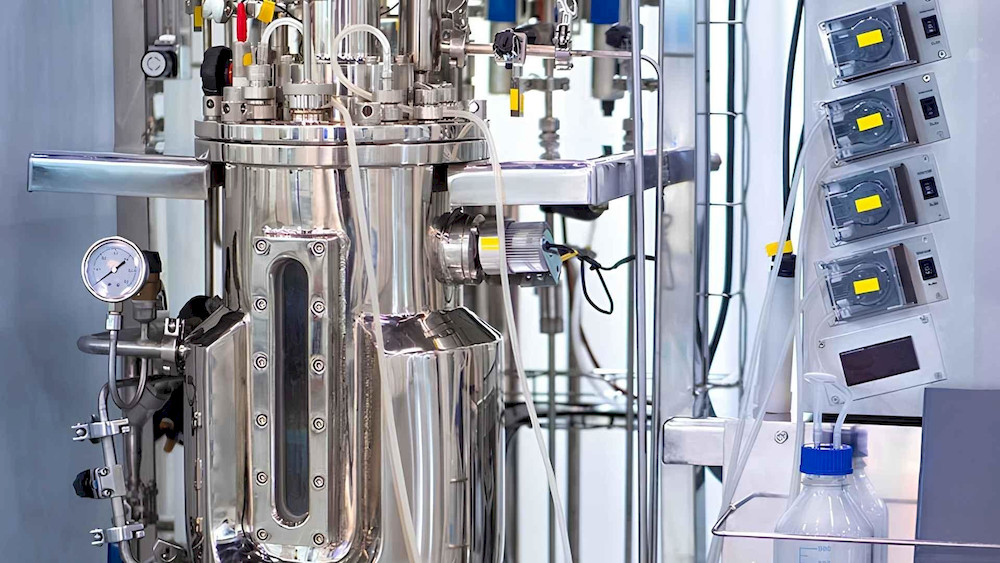
Process Steps:
- Pre-treatment & Micronization: Raw biomass, such as marine seaweeds, is washed, dried, and ground into ultra-fine particles of 10 – 30 μm to break physical cell walls and maximize microbial surface contact.
- Inoculation & Aerobic Fermentation: The micronized biomass is blended with dechlorinated water in a bioreactor and inoculated with a pre-activated probiotic bacterial consortium, such as Bacillus amyloliquefaciens and Bacillus licheniformis, under continuous agitation and aeration for 36 – 60 hours.
- Stabilization & Refining: Natural organic additives, such as yucca extract, calcium carbonate, or oligo-chitosan, are blended in. The pH is lowered to 4.0 using natural lactic acid for preservation, and the mixture is filtered or centrifuged into a clear liquid biofertilizer.
Pros & Cons:
- Pros:
- Eco-Friendly & Sustainable: Supports a circular-economy approach by upcycling organic waste into high-value agricultural inputs.
- Multi-Nutrient Synergies: In addition to amino acids and peptides, fermentation enriches the liquid with natural phytohormones, including auxins and cytokinins, vitamins, organic acids, and secondary metabolites that support plant immunity and disease resistance.
- Soil Microbiome Health: Live beneficial microbes and fermented metabolites stimulate native rhizosphere microflora, improving nutrient solubilization in the soil.
- Cons:
- Slower Production Cycle: Requires 36 – 60+ hours of continuous fermentation compared with rapid chemical breakdown.
- Biosecurity & Quality Control: Vulnerable to wild microbial contamination if strict bioreactor hygiene is not maintained.
- Complex Parameter Management: Requires precise real-time control of dissolved oxygen, temperature, pH kinetics, and microbial culture stability.
3. Selecting the Right Manufacturing Process for Your Business
Choosing the optimal manufacturing method depends on an enterprise’s target market, capital budget, raw material availability, and crop safety standards. The table below summarizes the key operational and agronomic differences among the three core production technologies:
| Criteria | Chemical (Acid) Hydrolysis | Enzymatic Hydrolysis | Microbial Fermentation |
| Production Speed | Fast: Completes in hours under high heat and pressure. | Moderate: Requires controlled digestion for several hours. | Slow: Requires 36 – 60+ hours of biological fermentation. |
| Product Quality & Bioactivity | High in single free amino acids, but destroys sensitive amino acids such as tryptophan and lacks bioactive peptides. | Rich in natural L-amino acids and intact bioactive peptides with hormone-like signaling properties. | Rich in peptides, free amino acids, natural phytohormones, organic acids, and beneficial metabolites. |
| Crop Safety & Salt Risk | Higher Risk: High chloride/salt load and potential D-amino acids can cause leaf burn or phytotoxicity. | Zero / Minimal Risk: Low chloride levels, no harmful isomers, and 100% safe for foliar and greenhouse use. | Zero Risk: Low salt load and highly compatible with soil biota and foliar application. |
| Environmental Friendliness | Low to Moderate: Uses strong inorganic acids/alkalis and generates chemical waste streams. | High: Operates at mild temperatures with biodegradable enzymes and low energy consumption. | Very High: A circular-economy process that upcycles organic waste without harsh chemicals. |
| Manufacturing & Investment Cost | Lowest: Low reagent costs and relies on inexpensive animal waste inputs. | Higher: Requires specialized protease enzymes and strict continuous process monitoring. | Moderate: Requires initial bioreactor equipment but uses low-cost organic or marine biomass inputs. |
Strategic Selection Guidance for Manufacturers & Growers
- Mass-Market & Budget Segment (Acid Hydrolysis): If your primary goal is producing low-cost, high-volume fertilizers for broadacre crops or basic nitrogen supplementation, acid hydrolysis offers an economical entry point. It rapidly processes inexpensive animal wastes, such as leather or slaughterhouse by-products, into liquid or powder bases. However, producers must monitor chloride levels and electrical conductivity (EC) to prevent crop damage, especially when formulating foliar sprays for salt-sensitive plants.
- Premium, High-Tech & Export Segment (Enzymatic Hydrolysis): If your enterprise targets high-value horticulture, greenhouse crops, hydroponics, or export markets with strict regulatory compliance, such as the European Union’s Regulation 2019/1009 CE marking or organic certification, enzymatic hydrolysis is the optimal choice. This process guarantees pure L-amino acids and short-chain bioactive peptides that stimulate root growth and stress recovery without any risk of phytotoxicity or chemical residues.
- Bio-Organic & Regenerative Agriculture Segment (Microbial Fermentation): If your focus is on bio-organic fertilizers, eco-friendly biostimulants, and long-term soil health, microbial fermentation provides an ideal approach. Using probiotic microbial consortia, such as Bacillus strains, to digest seaweeds or agricultural residues creates a multifunctional input that enriches the soil microbiome, enhances nutrient availability, and boosts plant immunity naturally.
Amino acid fertilizer production is ultimately a balance between cost, product quality, production efficiency, crop safety, and market requirements. The right choice starts with selecting suitable protein sources and continues with matching the production process to the intended product and target market. By evaluating these factors together, manufacturers can develop amino acid fertilizers that meet their production goals while delivering consistent value for growers and crops.


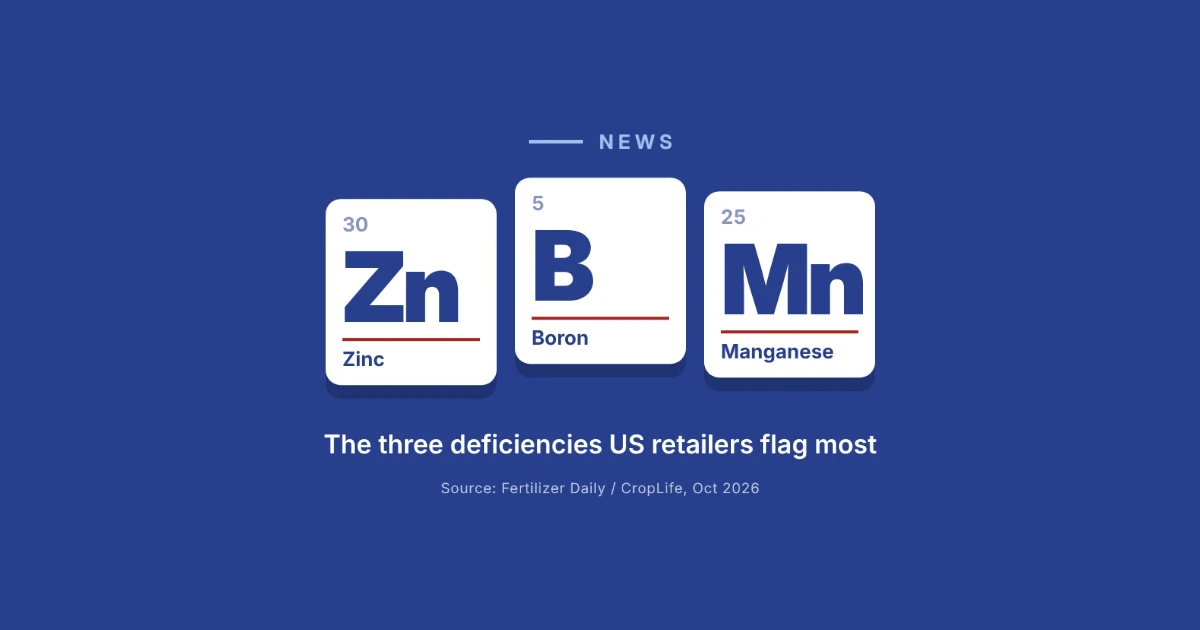
Retailers in the United States report that growers are trimming micronutrient spending this season, while tissue tests keep finding zinc, boron and manganese shortages. At Van Polder, we believe this is the wrong place to save, and the lesson applies to every market our partners serve. When nitrogen, phosphate and potash bills rise, micronutrient fertilizer […]
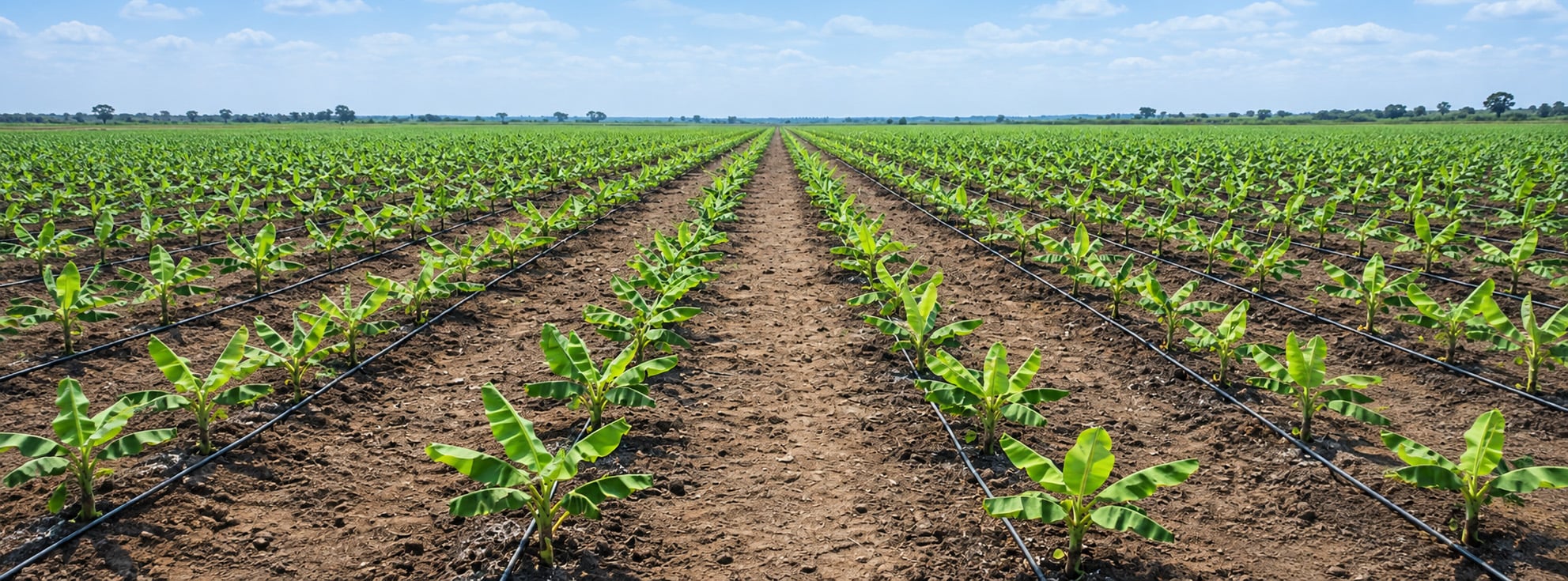
Water-soluble fertilizer for banana lets you feed the crop through drip in small doses that follow each growth stage, and in trials this gave more fruit from less fertilizer and water than soil-applied fertilizer. The best water-soluble fertilizer for banana is the one that dissolves cleanly in your water, matches the growth stage and costs […]
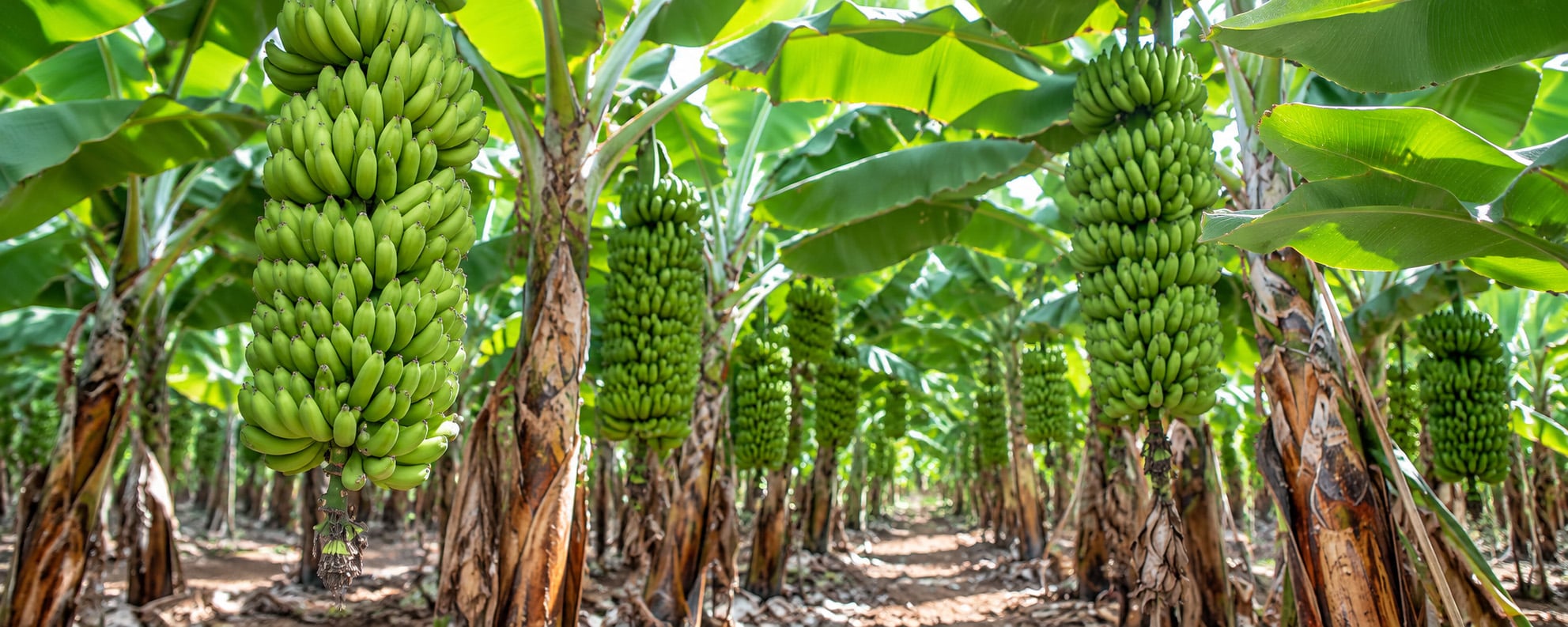
To increase banana bunch weight, build a large, healthy leaf canopy and good potassium reserves before the bunch emerges, keep water supply steady, and protect the leaves until harvest. Most of the bunch’s potential is set before shooting: the number of fruits depends on the leaf area the plant has when it initiates its flower […]
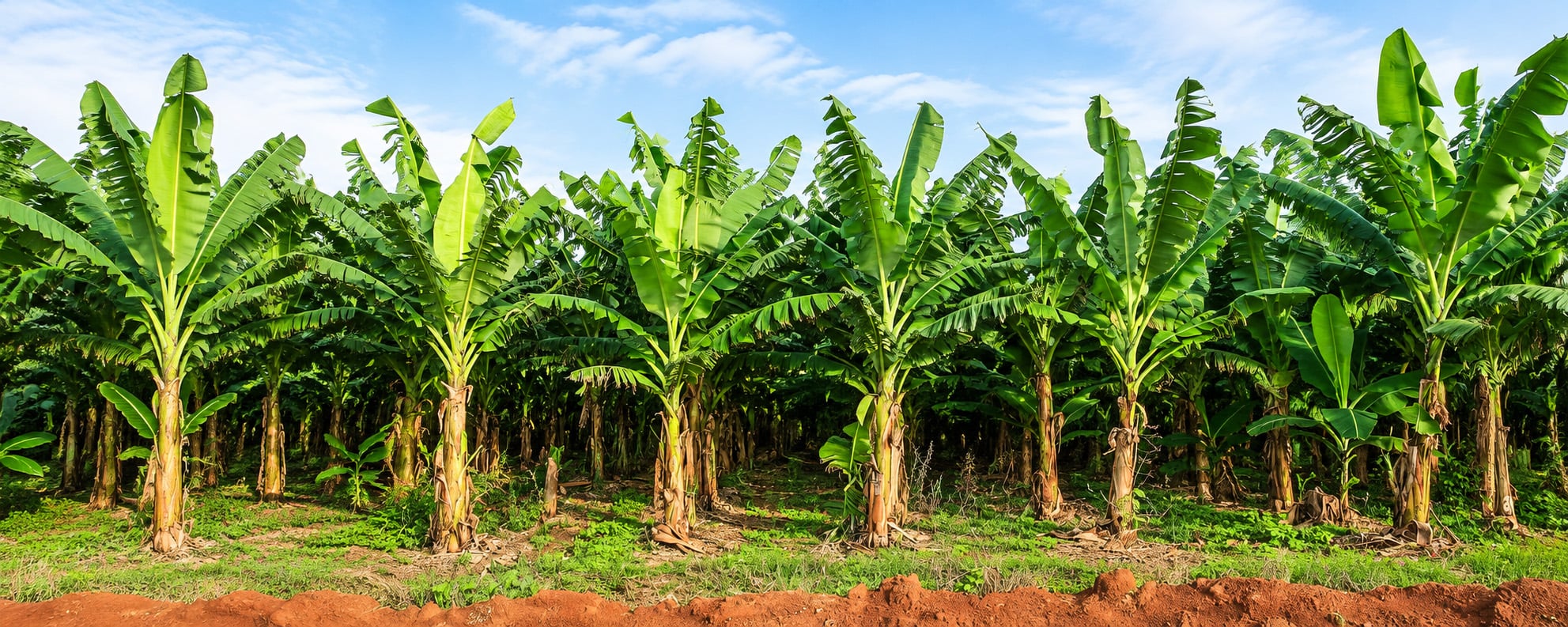
The right fertilizer for banana plants is the one that matches what the crop removes, what your soil already holds and the stage the plant is in. Banana takes up far more potassium than any other nutrient, followed by nitrogen and calcium, so K supply and timing decide much of the result. This guide covers […]
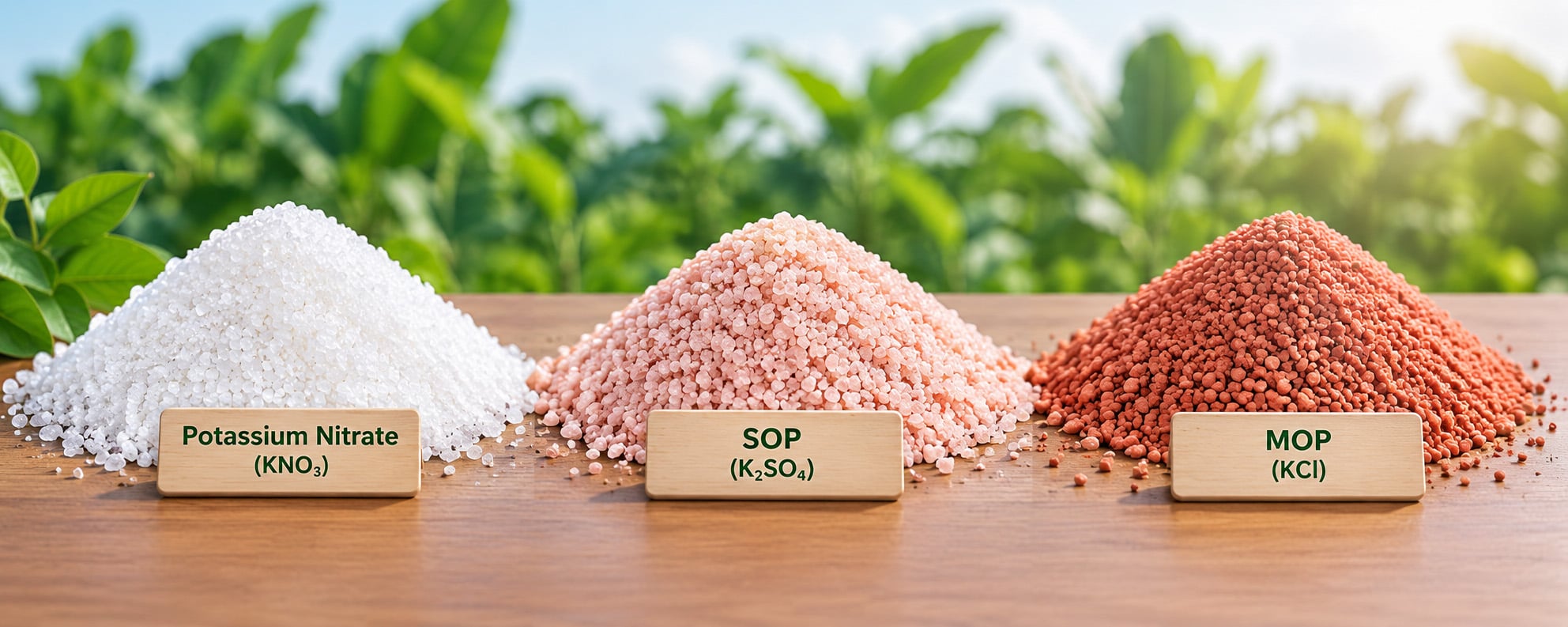
Potassium fertilizer replaces the potassium (K) your crop takes from the soil faster than the soil can release it. After nitrogen, potassium is the nutrient plants need in the largest amounts (Zörb et al., 2014), mainly to move water and sugars and to keep their cells working under stress. The common sources (muriate of potash, […]
Muriate of potash (MOP), sulfate of potash (SOP) and potassium nitrate all supply the potassium a banana crop needs, so the best potash for banana plants depends on your water, soil, application method and budget, not on the potassium itself. MOP is the cheapest and most widely used source; SOP adds the least salt and […]